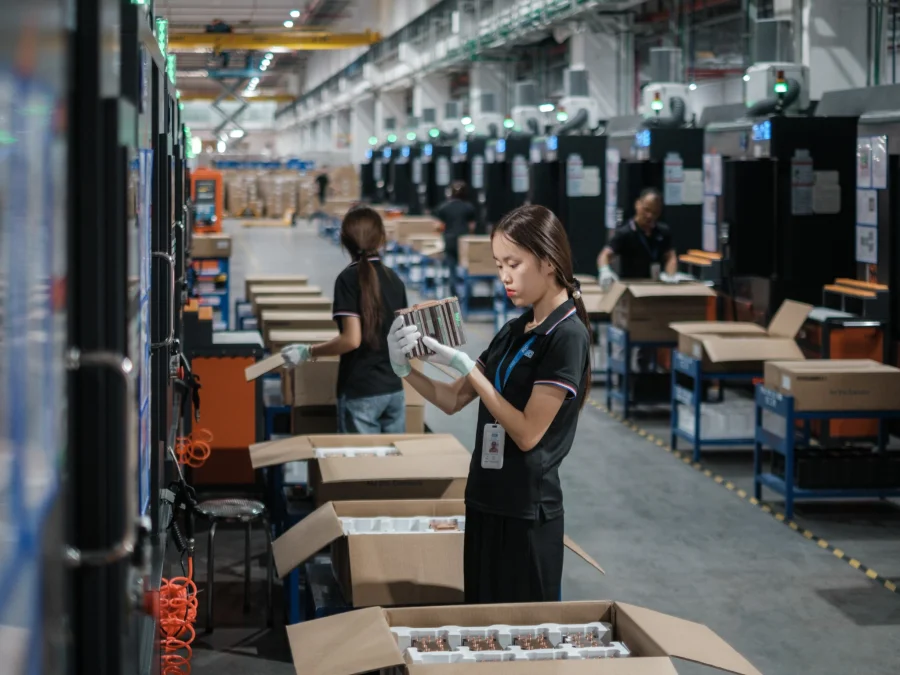

The numbers coming out of Asia keep getting bigger. Taiwan is on track for its first year of double-digit GDP growth since 2010, powered by surging demand for AI hardware exports. Japan, Malaysia, Singapore and mainland China all reported over 20% growth in exports in July. South Korea's exports surged by more than 60%, driven by chipmaking giants SK Hynix and Samsung.
Second-quarter GDP growth also beat expectations in economies like Singapore, Hong Kong and Taiwan, thanks to electronics exports. Equity markets are riding the same wave — shares in chipmaker ChangXin Memory Technologies and robot manufacturer Unitree both surged more than 450% on their first days of trading.
AI Hardware Demand Driving Export Growth Across Asia
The AI boom is reshaping trade patterns across the region. Countries that produce semiconductors, memory chips and related hardware are seeing unprecedented demand. Taiwan's double-digit GDP growth projection marks a significant milestone — the first since 2010.
South Korea's export surge of over 60% shows how deeply AI demand is embedded in the region's manufacturing base. The growth is not limited to a few countries — it spans Japan, Malaysia, Singapore and mainland China, all reporting export growth above 20% in July.
Southeast Asia's Short-Term Gains Raise Questions
While the numbers look impressive, analysts are asking whether Southeast Asian economies can sustain this momentum. The concern is that the AI-driven boost might be a temporary lift rather than a lasting transformation.
The region's reliance on electronics exports makes it vulnerable to shifts in global AI demand. If the AI boom slows or corrects, Southeast Asian economies could feel the impact quickly. The question is whether these countries can convert short-term export gains into long-term economic strength.
Equity Markets Reflect AI Optimism
Investor enthusiasm for AI-related companies shows no signs of cooling. The dramatic share price surges for ChangXin Memory Technologies and Unitree — both climbing over 450% on their first trading days — highlight the market's appetite for AI plays.
These gains reflect broader confidence in the AI sector across Asia. But they also raise concerns about valuation bubbles, especially for companies whose fundamentals may not justify such rapid price increases.
Our Take: Short-Term Boom Needs Long-Term Strategy
To put it plainly, the AI boom is delivering real, measurable gains to Asian economies right now. The export numbers and GDP growth figures are not fiction — they reflect genuine demand for AI hardware and components.
But the worry about Southeast Asia is legitimate. Export-led growth tied to a single sector can reverse quickly if global demand shifts. Countries that use this moment to diversify their economies, invest in local capabilities and build resilience will be better positioned when the AI cycle inevitably cools.
The smart play for Southeast Asian governments is to treat this boom as a window of opportunity — not a permanent solution. Invest the gains wisely, build broader economic foundations, and prepare for the day when AI-driven demand may not be as strong.
For now, the numbers are impressive. But the real test is whether Southeast Asia can turn this short-term blip into lasting economic progress.