
Summary
A small group of data center projects in the United States could soon produce more greenhouse gas emissions than entire countries. Recent data shows that just 11 planned data center campuses are linked to new natural gas projects that may release over 129 million tons of carbon dioxide every year. This amount is higher than the total emissions produced by the nation of Morocco in 2024. As the demand for artificial intelligence grows, tech companies are turning to fossil fuels to keep their massive computer systems running, raising serious concerns about the future of the environment.
Main Impact
The primary impact of this trend is a sharp increase in the use of fossil fuels by the technology sector. For years, many of the world’s largest tech firms promised to use clean energy and reach "net-zero" goals. However, the sudden explosion of AI technology has created a massive need for electricity that renewable sources like wind and solar cannot always meet quickly enough. By building their own natural gas power plants, these companies are prioritizing speed and reliability over their previous environmental promises. This shift could make it much harder for the United States to meet its overall goals for reducing pollution and fighting climate change.
Key Details
What Happened
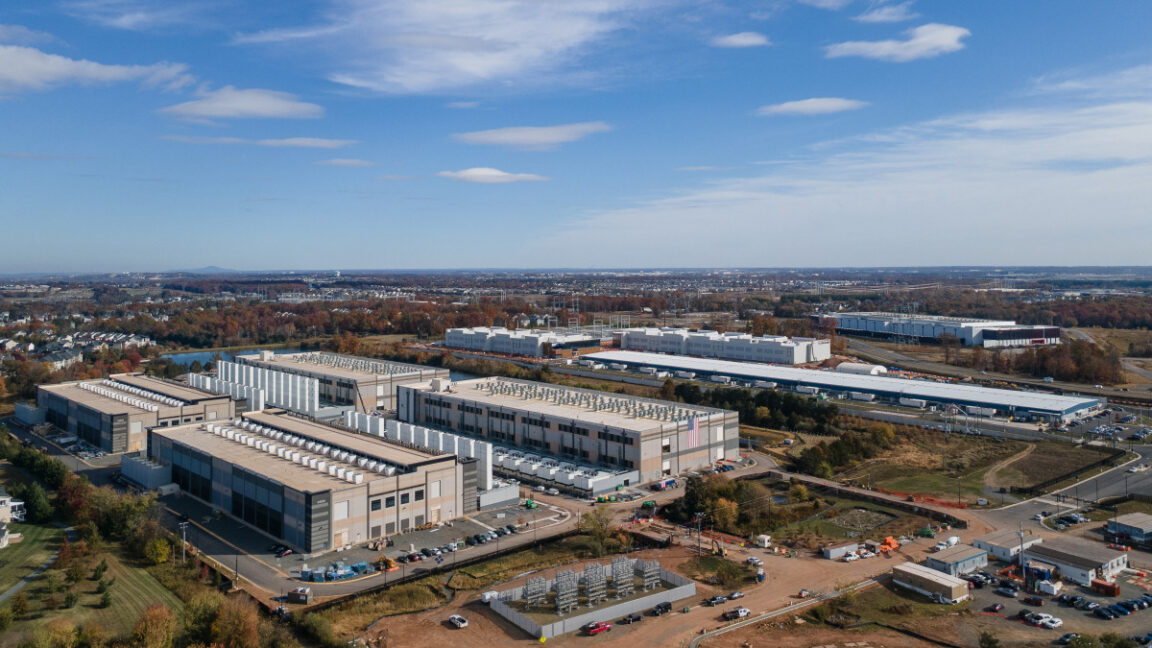
Major technology companies, including OpenAI, Meta, Microsoft, and xAI, are building massive data centers to train and run their AI models. Because the traditional power grid is slow to provide the huge amount of energy these centers need, developers are building their own private power plants. These projects are often called "behind-the-meter" power because they operate independently from the public utility system. By using natural gas engines and turbines on-site, these companies can get their data centers running much faster than if they waited for a connection to the local electric company.
Important Numbers and Facts
The scale of these projects is revealed in air permit documents filed with state governments. Researchers found that the 11 campuses currently under review could emit 129 million tons of greenhouse gases annually. To put this in perspective, that is more than the yearly emissions of many medium-sized nations. These projects are either already being built or have been officially announced. The companies involved are some of the wealthiest in the world, and they are moving quickly to secure as much power as possible to stay ahead in the AI race.
Background and Context
Data centers are the physical buildings that house thousands of computer servers. These servers process everything from social media posts to complex AI calculations. AI is much more "power-hungry" than traditional internet tasks. It requires specialized chips that use a lot of electricity and generate a massive amount of heat. To keep the chips from melting, data centers also need powerful cooling systems, which use even more energy. In many parts of the U.S., the existing power grid is old and cannot handle this sudden spike in demand. This has forced tech companies to look for alternative ways to get power quickly, leading them back to natural gas.
Public or Industry Reaction
There is growing tension between tech companies and the public. Many people are worried that if data centers take too much power from the public grid, electricity prices for regular families will go up. This public pressure is one reason why tech companies are trying to build their own private power sources. However, environmental groups are now speaking out against these private gas plants. They argue that bypassing the grid to burn more fossil fuels is a step backward. While the tech industry claims these gas plants are a temporary solution, critics worry they will stay in use for decades, causing long-term damage to the atmosphere.
What This Means Going Forward
The current list of 11 projects is likely just the beginning. As more companies try to build their own AI tools, the number of data centers will continue to rise. This creates a difficult choice for the future: do we prioritize the rapid growth of AI, or do we stick to environmental goals? If the trend of building private gas plants continues, the tech industry may become one of the largest sources of pollution in the country. Moving forward, there will likely be more calls for government regulation to ensure that these massive projects do not ruin efforts to move toward a greener economy.
Final Take
The AI boom is changing the world, but it comes with a heavy environmental price tag. While these new technologies offer many benefits, the massive amount of energy they require is forcing a return to fossil fuels. If just a handful of data centers can produce more pollution than an entire country, the industry must find a way to grow without harming the planet. The balance between technological progress and environmental safety is now more fragile than ever.
Frequently Asked Questions
Why do AI data centers need so much power?
AI models require thousands of powerful computer chips working together at the same time. These chips use much more electricity than standard computers and generate a lot of heat, which requires constant, high-energy cooling.
What is "behind-the-meter" power?
This refers to power plants built directly on a company's property to serve only their buildings. It allows the company to generate its own electricity and bypass the public utility grid, avoiding long wait times and public grid limitations.
How do data center emissions compare to countries?
Recent reports show that just 11 major data center sites in the U.S. could produce 129 million tons of greenhouse gases. This is more than the total annual emissions of countries like Morocco, showing the massive scale of tech industry pollution.