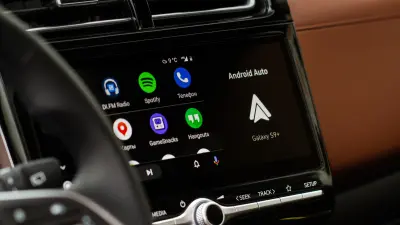


Car buyers love Android Auto. It lets them use their phone's maps, music, and messages right on the car's screen. But automakers? They are not so keen on it anymore. Starting in 2026, several major car manufacturers are planning to ditch Android Auto and Apple CarPlay from their new vehicles.
The reason comes down to one thing: data and money. When you use Android Auto, the car is basically just a screen for your phone. The automaker does not get to see what you do, where you go, or what apps you use. That data stays on your phone and with Google or Apple.
Why Automakers Want Their Own Software
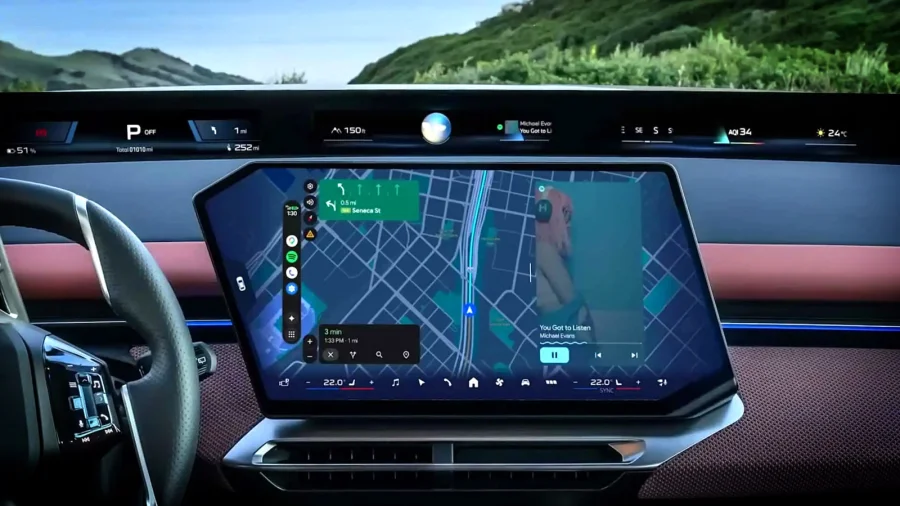
Car companies want to change this. They want to build their own operating systems inside the car. These systems do not need a phone to work. They have their own internet connection, maps, and app stores. According to MotorTrend, automakers see this as a way to collect valuable data about how people drive, where they go, and what services they use.
This data is worth a lot of money. Car companies can sell it to advertisers, insurance firms, or use it to improve their own services. They can also charge monthly fees for features like live traffic, premium navigation, or music streaming. With Android Auto, all that revenue goes to Google or the phone carrier.
General Motors Leads the Change
General Motors was one of the first big automakers to announce it would drop Android Auto and Apple CarPlay from all its future vehicles. According to Motor1, GM plans to use its own built-in software system instead. This system is based on Android Automotive, which is different from Android Auto. Android Automotive runs directly on the car's hardware and does not need a phone connection to work.
Other car makers are watching GM closely. Many are expected to follow the same path. The shift is not just about GM. Industry analysts say the move toward proprietary systems is a trend that will reshape the car infotainment market.
What This Means for Car Buyers
For drivers, this change has both upsides and downsides. On the positive side, built-in systems can be more stable and offer features that work without a phone. For example, the car's navigation can show real-time traffic and charging station availability even if you leave your phone at home.
But there is a big downside. You might have to pay a monthly subscription to use features that are free on your phone today. According to Reddit discussions, users point out that Android Automotive requires a data plan, while Android Auto uses your phone's existing data. This means automakers can sell subscription plans for connectivity, navigation, and entertainment.
Another concern is privacy. When your car runs its own operating system, the manufacturer can track your driving habits, location history, and even your music preferences. This data can be used for targeted advertising or sold to third parties.
Our Take: A Trade-Off Between Convenience and Control
In our view, this shift is a clear power play by automakers. They want to own the digital experience inside the car, just like smartphone companies own the experience on your phone. The problem is that car buyers have come to expect the simplicity and familiarity of Android Auto. They do not want to learn a new system every time they buy a new car.
Automakers are betting that they can offer a better, more integrated experience. But history shows that car companies are not great at software. Their systems are often slow, buggy, and rarely get updates. Google and Apple have spent years perfecting their interfaces. Replacing them with a car company's own software is a risky move.
For now, the best advice for car buyers is to check what system a new car uses before buying. If you love Android Auto, you may want to buy a car that still supports it before 2026 models arrive. Once automakers lock you into their own system, it will be hard to go back.