
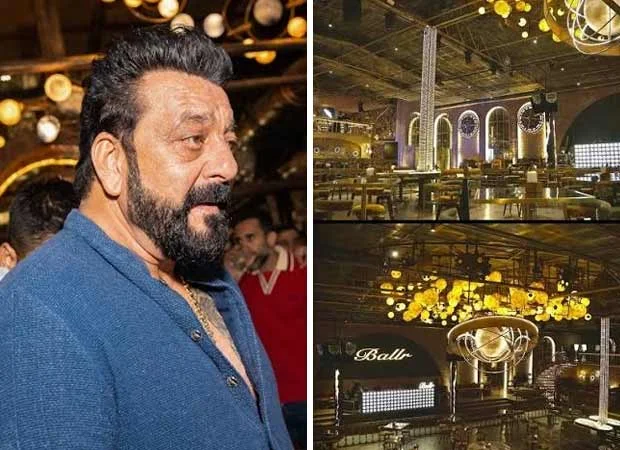

The Bombay High Court has stepped in to stop Sanjay Dutt's Pune nightclub from playing songs without proper authorisation. The court passed an order on August 7, granting interim relief to Phonographic Performance Limited (PPL) India, a copyright licensing organisation that manages music rights for commercial venues.
Copyright Complaint Against Ballr Nightclub
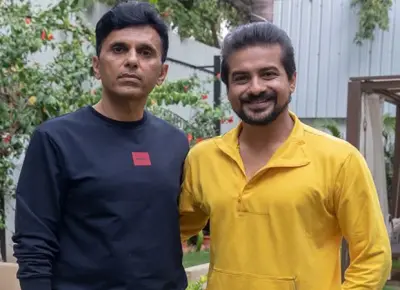
PPL India approached the Bombay High Court against Ballr, a luxury nightclub in Pune co-owned by actor Sanjay Dutt and Heramb Shelke. The organisation alleged that the venue had been playing copyrighted songs without a valid licence, which violates copyright laws.
According to Bollywood Hungama, the case came to light after a PPL representative visited Ballr on June 24 and allegedly found several popular songs being played at the venue without the required permission.
Court Order Restricts Song Usage
The Bombay High Court granted ad interim relief to PPL and restrained the nightclub owners from publicly performing or using sound recordings from PPL's repertoire without obtaining the required non-exclusive public performance licence.
This means Ballr cannot play any songs from PPL's catalogue until they secure the proper licence. The order directly affects how the nightclub operates, as music is a central part of the venue's experience.
"The Bombay High Court granted ad interim relief to PPL and restrained the nightclub owners from publicly performing or using sound recordings from PPL's repertoire without obtaining the required non-exclusive public performance licence." — Mid-Day
What This Means for Commercial Venues
This case highlights the importance of music licensing for businesses that play music publicly. Nightclubs, restaurants, bars, and other commercial venues must obtain licences from copyright organisations like PPL before playing copyrighted songs.
The action against Ballr serves as a reminder that playing music without authorisation can lead to legal consequences. PPL India has been actively pursuing venues that use copyrighted music without proper licensing, and this court order reinforces their efforts.
- PPL India manages public performance rights for sound recordings
- Venues need a non-exclusive public performance licence to play PPL's repertoire
- The court order applies until Ballr obtains the required licence
- Sanjay Dutt and Heramb Shelke are the co-owners of the nightclub
Our Take: Licensing Is Not Optional for Businesses
To put it plainly, this order should not come as a surprise to anyone in the hospitality business. Playing music in a commercial setting is not free — it is a service that creators and rights holders must be compensated for. PPL India has every right to protect its repertoire, and the Bombay High Court has correctly enforced that right.
For nightclubs and similar venues, the lesson is simple: get the licence before you press play. Ignoring copyright rules does not just risk a court order — it undermines the entire music industry that depends on licensing fees. Sanjay Dutt's Ballr now faces the consequences of skipping that step, and other venues should take note.
The court's decision protects the interests of artists, composers, and music labels who rely on licensing revenue. It also sets a clear precedent that commercial establishments cannot treat copyrighted music as a free resource.