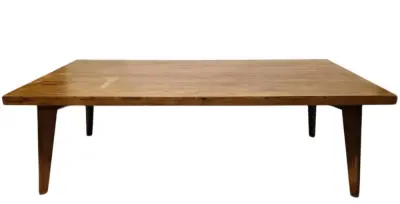
A pair of heritage armchairs from Chandigarh has been sold at an auction in the Netherlands, and questions are now being raised about why the sale was not stopped in time. The chairs were designed by Pierre Jeanneret and came from Chandigarh's Administrative Buildings.
The auction was held by Hessink's Fine Art Auctioneers in the Netherlands. The pair of X-Leg Armchairs sold for €3,000, which is about Rs 3.21 lakh.
Chandigarh Heritage Armchairs Auction: What Went Wrong
The Chandigarh Administration had been put on specific notice about the upcoming sale on September 25 — fifteen days before the auction took place. According to the original report, this gave sufficient time to register an FIR and trigger diplomatic intervention.
Similar interventions had worked before. Auctions were successfully stalled in Paris in June and in Barcelona in July. In this case, however, the sale went ahead.
Heritage activist Ajay Jagga, who is a member of the UT Heritage Items Protection Cell and the Administrator's Advisory Council, has flagged the failure. He has written to the Ministry of External Affairs, the Ministry of Culture and the Chandigarh Administration.
In his letter, Jagga has sought an urgent investigation into the circumstances that led to the auction going through despite the advance notice. The failure to register an FIR in time has been cited as a key reason the sale could not be stopped.
Why These Chairs Matter to Chandigarh's Heritage
The X-Leg Armchairs are part of the legacy of Pierre Jeanneret, the architect who worked on Chandigarh's Administrative Buildings. Items from this collection are considered heritage pieces, which is why their sale abroad has drawn attention from activists and authorities alike.
The fact that previous auctions in Paris and Barcelona were halted shows that intervention is possible when action is taken quickly. The question now is why the same urgency was not applied this time.
Our Take: A Failure That Should Not Have Happened
To put it plainly, this is a case where the warning came early enough and the tools to act were available. Fifteen days is not a short window. The administration had the notice, it had the precedent of successful interventions in Paris and Barcelona, and it still could not stop the sale.
In our view, the loss here is not just about €3,000 or two chairs. It is about what this says for every future auction of Chandigarh heritage items. If notices are received and not acted upon, sellers and auction houses abroad will learn that they can proceed without consequence.
The letter to the Ministry of External Affairs, Ministry of Culture and the Chandigarh Administration is a necessary step. But the real test will be whether an investigation actually fixes the gap between receiving information and registering an FIR. Without that, the next auction notice may end the same way.
For readers in Chandigarh, this is a direct concern. These items belong to the city's identity, and once they are sold and shipped abroad, bringing them back becomes far harder than stopping the sale in the first place.