
Summary
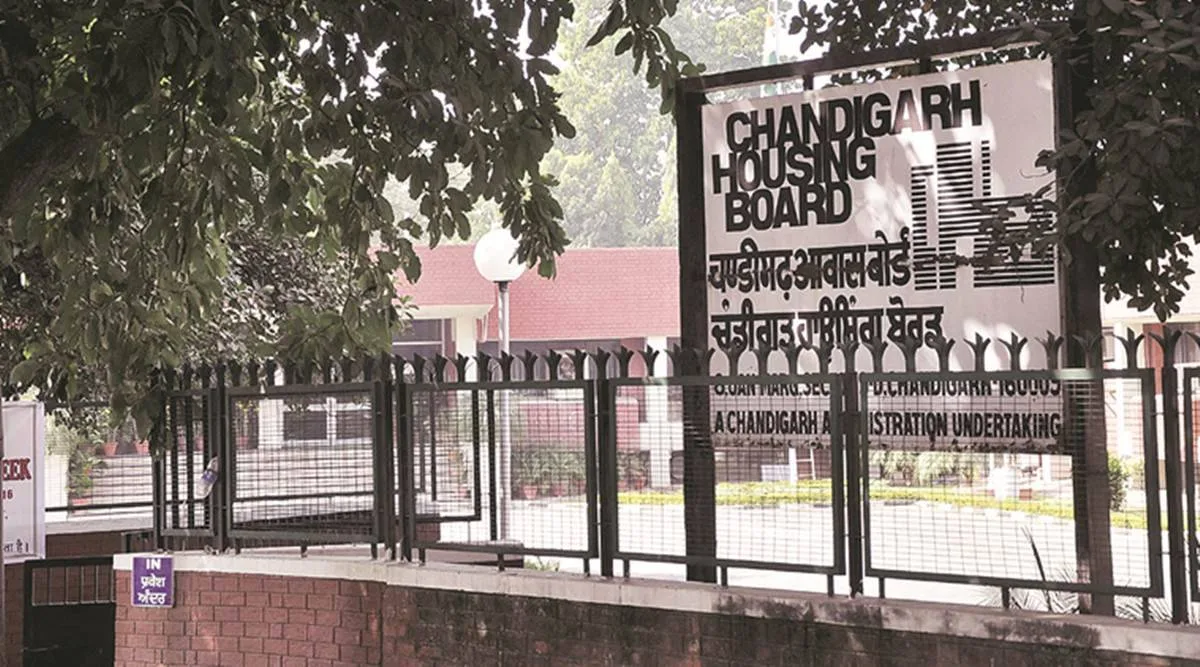
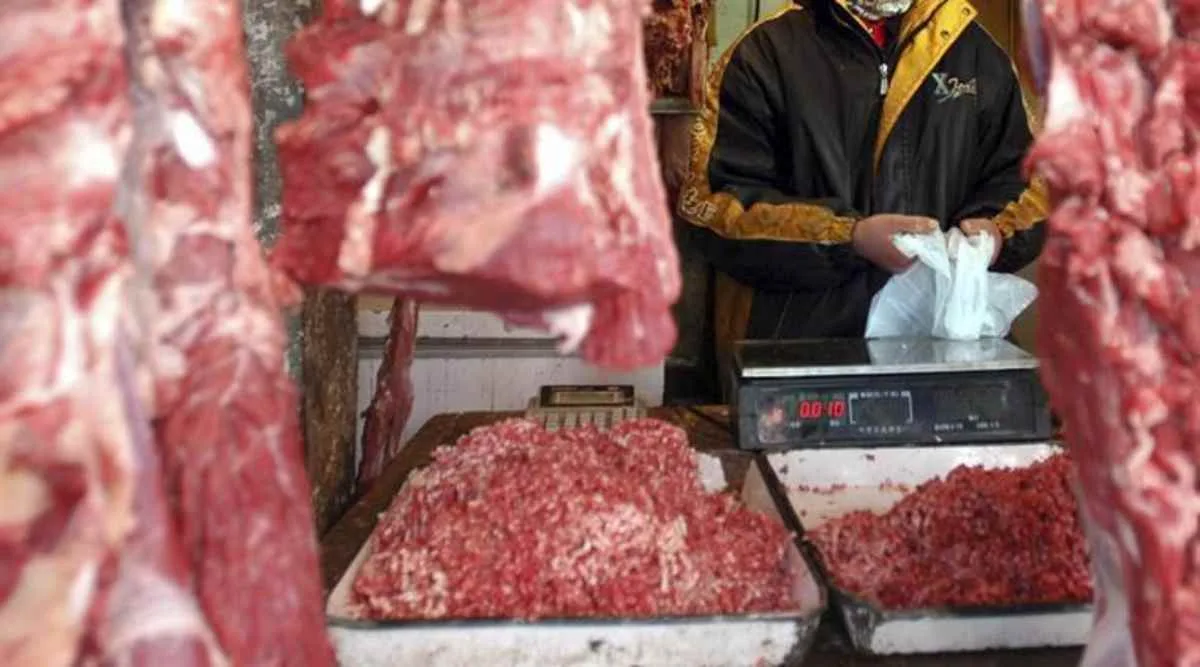
The Chandigarh Administration has established a new 13-member committee to oversee slaughterhouses and meat shops across the city. This decision follows a legal challenge in the Punjab and Haryana High Court regarding the lack of supervision in the local meat industry. The committee is led by the Home Secretary and is tasked with ensuring that all meat-related businesses follow health, safety, and environmental laws. This move aims to improve public health and protect the environment from illegal activities.
Main Impact
The formation of this committee is a major step toward cleaning up the meat industry in Chandigarh. By having a dedicated team of 13 members, the city can now better track where meat comes from and how it is processed. The main goal is to shut down illegal shops that do not have the proper licenses. This will help reduce pollution caused by improper waste disposal and ensure that the meat sold to the public meets safety standards. It also focuses on preventing cruelty to animals by enforcing strict operational rules.
Key Details
What Happened
A resident of Chandigarh, Jairoop Riar, filed a public interest litigation (PIL) through his lawyer, Saurav Bhatia. The petition pointed out that the city had not been following a Supreme Court order from years ago. While a committee was technically formed in 2012, it had become completely inactive. One of its key members had passed away, and the group had not held any meetings or taken any action to monitor slaughterhouses. In response to this legal pressure, the Chandigarh Administration notified the court that a fresh committee was officially created on February 13, 2026.
Important Numbers and Facts
The new committee consists of 13 members who represent different parts of the local government. It is chaired by the Home Secretary-cum-Secretary Local Government. The group must follow rules set by the Food Safety and Standards Act of 2006 and the Punjab Municipal Corporation Act of 1976. The court case was heard by a bench led by Chief Justice Sheel Nagu and Justice Sanjiv Berry. The committee is now legally required to carry out surprise inspections and report on the state of every slaughterhouse in the city.
Background and Context
This issue dates back to a famous Supreme Court case known as "Laxmi Narayan Modi vs. Union of India." In that case, the highest court in the country ruled that all states and union territories must have committees to watch over slaughterhouses. These committees are necessary because the meat industry can have a big impact on the environment. If waste is not handled correctly, it can pollute local water sources and create bad smells in residential areas. Many cities struggle with unlicensed shops that operate in secret, which makes it hard to ensure the meat is clean and the animals are treated humanely. Chandigarh is now trying to fix these long-standing problems by refreshing its oversight team.
Public or Industry Reaction
The legal action taken by Jairoop Riar shows that residents are concerned about how the city manages its meat supply and environmental health. The petitioner argued that the previous lack of action allowed illegal shops to continue operating without any fear of punishment. By bringing this to the High Court, the petitioner forced the government to act. The court expressed hope that the new committee would actually do its job this time. The judges also gave the petitioner the right to come back to court if the committee fails to hold meetings or perform its duties in the future.
What This Means Going Forward
In the coming months, the committee will begin several important tasks. First, they will create a full list of every slaughterhouse and meat shop in Chandigarh. They will also work with the District Magistrate to decide if some shops need to be moved away from residential neighborhoods. Modernizing these facilities is a top priority to reduce air and water pollution. The committee will also set up a system for managing solid waste so that it does not end up in the streets or local rivers. Regular surprise checks will be conducted to make sure no shop is operating without a valid license.
Final Take
The creation of this committee is a win for public health and environmental safety in Chandigarh. It shows that legal pressure from citizens can hold the government accountable for its responsibilities. If the committee follows through with its plan for inspections and modernization, the city will see a much cleaner and more organized meat industry. This change will benefit everyone, from the consumers who buy the meat to the residents who live near these facilities.
Frequently Asked Questions
Who is leading the new committee in Chandigarh?
The committee is headed by the Home Secretary-cum-Secretary Local Government of the Chandigarh Administration and includes 13 members in total.
Why was the new committee formed?
It was formed after a resident filed a court case claiming the previous committee was inactive and had failed to monitor illegal slaughterhouses and environmental pollution.
What are the main duties of this committee?
The committee must identify all slaughterhouses, ensure they have licenses, manage waste and pollution, prevent animal cruelty, and conduct surprise inspections to enforce the law.