

Summary
The travel time between Delhi and Dehradun is about to get much shorter with the opening of a new high-speed road. Prime Minister Narendra Modi is scheduled to officially open the Delhi-Dehradun Expressway this Tuesday. This massive project cost approximately Rs 12,000 crore and aims to make the journey to the hills of Uttarakhand faster and more comfortable. For many travelers, the trip will now take only two and a half hours, compared to the six hours it took in the past.
Main Impact
The primary impact of this new expressway is the drastic reduction in travel time for millions of people living in the National Capital Region (NCR). By cutting the journey time by more than half, the road makes Dehradun and nearby hill stations much more accessible for weekend trips and business travel. This change is expected to boost tourism in Uttarakhand and improve the movement of goods between the two regions. It also offers a more reliable alternative to trains and flights, especially for families and large groups traveling together.
Key Details
What Happened
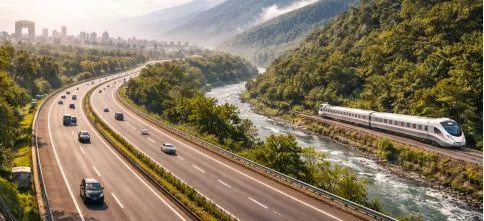
The government has completed the construction of the Delhi-Dehradun Expressway, a major infrastructure project designed to link the national capital with the capital of Uttarakhand. The road starts at Akshardham in East Delhi and stretches across several districts in Uttar Pradesh before reaching Dehradun. It is built to handle high speeds safely, allowing drivers to maintain a steady pace without the interruptions of local city traffic or narrow traditional highways. The project includes modern features like elevated sections to protect local wildlife and dedicated paths for faster movement.
Important Numbers and Facts
The scale of this project is reflected in its budget and the time saved for commuters. The total cost of the expressway stands at Rs 12,000 crore. While the trip from Akshardham to Dehradun now takes 2.5 hours, other parts of the NCR also see big improvements. For example, travelers from Ghaziabad can reach Dehradun in about 2 hours and 15 minutes. Those coming from Noida will spend about 2 hours and 45 minutes on the road. Even from further areas like Faridabad and Gurugram, the journey is now expected to take between 3.5 and 4 hours.
The road is designed for a top speed of 100 kilometers per hour. To manage the flow of traffic and collect fees, there are five major toll plazas located along the route. Travelers are reminded to keep their FASTag accounts topped up, as the system will automatically deduct fees as they pass through the Uttar Pradesh and Uttarakhand sections of the highway.
Background and Context
For many years, the road connecting Delhi to Dehradun was known for being slow and crowded. Drivers had to pass through many small towns and busy intersections, which often led to long traffic jams. This made the 250-kilometer journey feel much longer than it actually was. The new expressway was planned to solve these problems by providing a direct, controlled-access route. This means there are fewer entries and exits, which helps keep traffic moving at a constant speed. This project is part of a larger government plan to improve connectivity across Northern India, making it easier for people to travel between major cities and popular tourist spots.
Public or Industry Reaction
Travelers and the tourism industry are closely comparing the costs of using the new road versus taking the train or a flight. For a single person, the train remains the cheapest option. A seat on the Jan Shatabdi costs around Rs 175, while the faster Vande Bharat train costs about Rs 1,075. However, for a family of four, the expressway becomes very attractive. A car trip for four people might cost around Rs 2,734 plus tolls. In comparison, four tickets on the Vande Bharat would cost about Rs 4,300.
Flying is the fastest way to travel, taking only 70 minutes, but it is also the most expensive. Flight tickets often start at more than Rs 4,000 per person. When you add the time spent getting to the airport and checking in, the 2.5-hour drive on the expressway becomes a strong competitor for both speed and price. Tourism experts believe this will lead to a significant increase in hotel bookings in Dehradun, Mussoorie, and Rishikesh.
What This Means Going Forward
As the expressway opens to the public, the way people plan their trips to the mountains will change. Popular spots like Mussoorie are now only 4 hours away from Delhi, down from the previous 7 hours. Rishikesh and Haridwar are also easier to reach thanks to a special connecting road that cuts travel time to about 2 hours from the main expressway. In the coming months, authorities will monitor traffic patterns to ensure safety and manage the five toll plazas effectively. Drivers should be aware that while the road is faster, they must follow the 100 kmph speed limit to avoid accidents and fines.
Final Take
The Delhi-Dehradun Expressway is a major step forward for transport in Northern India. By turning a long, tiring six-hour drive into a quick two-and-a-half-hour trip, it brings the mountains much closer to the city. This project proves that modern roads can save time and money while making travel more enjoyable for everyone.
Frequently Asked Questions
How long does it take to drive from Delhi to Dehradun now?
With the new expressway, the travel time from Akshardham in Delhi to Dehradun has been reduced to approximately 2.5 hours.
What is the speed limit on the new expressway?
The expressway is designed for a maximum speed of 100 kilometers per hour to ensure both speed and safety for commuters.
Is it cheaper to drive or take the train for a family?
For a group of four, driving is often cheaper than taking a premium train like the Vande Bharat. A car trip costs around Rs 2,734 plus tolls, while four train tickets would cost about Rs 4,300.
