
U.S. consumers are not just frustrated with high prices. They are angry and confused about the increasingly high-tech ways that restaurant chains and major retailers are setting those prices. But a study of dynamic pricing found that half the U.S. price changes it recorded were decreases, not increases.
That finding matters because it cuts against the assumption behind much of the public anger. People fear that these systems exist mainly to push prices up. The study's data suggests the picture is more mixed.
Why Consumers Are Angry About Dynamic Pricing
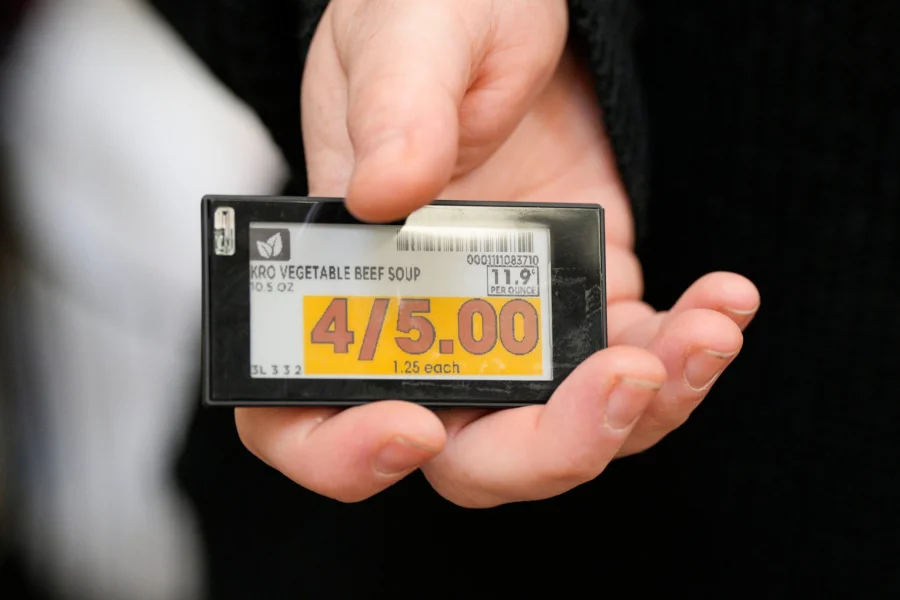
The tools behind these prices are spreading fast. Digital price tags are rapidly replacing paper ones in grocery aisles. Artificial intelligence tools help businesses decide what to charge by predicting how customers might respond.
Terms like "dynamic pricing" and "surveillance pricing" are stirring anxiety on social media, where users wonder if different people are getting different prices for the same product. That fear is at the heart of the confusion.
Americans have grown accustomed to changing prices when booking flights, hotel rooms and rides. The difference now is that everyday spending is being shaped by algorithms they don't understand and personal data they may not control.
What the Dynamic Pricing Study Actually Found
The study of dynamic pricing recorded price changes across the U.S. and found that half of them were decreases. In other words, the systems did not only raise prices — they lowered them just as often in the changes the study captured.
- Half of the U.S. price changes recorded in the study were decreases
- Digital price tags are replacing paper ones in grocery aisles
- AI tools predict customer response to help set prices
- Social media users worry about different prices for the same product
This does not mean shoppers are wrong to be uneasy. It means the debate needs better facts. Anger built on the belief that these systems only raise prices does not match what the study recorded.
Our Take: Better Facts, Not Just Anger
In our view, the study's finding is the most important part of this story — and the part most likely to be missed. Consumers have real reasons to want transparency. Algorithms that set prices using personal data deserve scrutiny, and shoppers should know how their information shapes what they pay.
But scrutiny should be based on what is actually happening. If half the recorded price changes were decreases, then the popular image of these systems as purely a tool for squeezing customers is incomplete. To put it plainly, the fear is running ahead of the evidence.
What readers should take from this: ask questions, demand clarity, and push for rules that make pricing systems understandable. But do not assume the worst before the data is in. The study shows these systems move prices in both directions — and that is a fact worth keeping in the conversation.