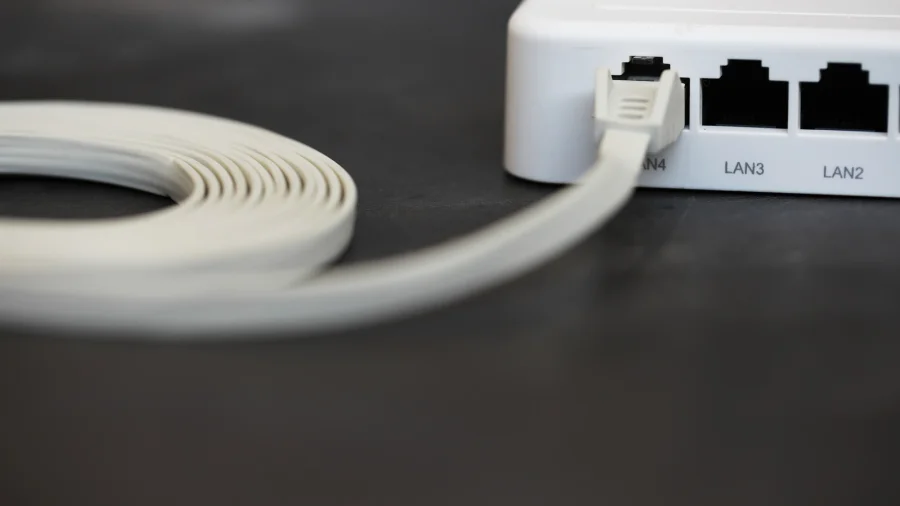

If you are shopping for Ethernet cables for your home network, you have probably seen flat cables on the shelf. They look clean, they slide under carpets and along walls easily, and they seem like a smart choice. But according to the original story, flat Ethernet cables probably aren't the answer to your home networking problem. For the most reliable performance, round Ethernet cables are generally superior.
Why Round Ethernet Cables Beat Flat Cables for Reliability
The core message here is simple: shape matters. Round Ethernet cables are generally the better pick when you want reliable performance from your home network. Flat cables may look convenient, but the story is clear that they are not the superior option for dependable connectivity.
To put it plainly, the appeal of flat cables is mostly about looks and installation ease. The trade-off is performance reliability. When your home network needs to work consistently, the round design is the safer bet.
What This Means for Your Home Network Setup
If you are setting up or upgrading a home network, this is a practical reminder. Do not pick a cable just because it is easier to hide. The story's guidance is straightforward: for the most reliable performance, go with round Ethernet cables.
- Round Ethernet cables are generally superior for reliable performance
- Flat Ethernet cables probably aren't the answer to home networking problems
- The choice of cable shape affects how reliably your network performs
Our Take: Don't Trade Reliability for a Tidier Look
In our view, this is a case where convenience can quietly cost you performance. Flat cables are tempting because they solve a visual problem — messy cables running through a room. But a home network's job is to stay connected reliably, and the story makes clear that round cables are generally the better choice for that job.
Our advice is simple. If reliability is what you care about most, choose round Ethernet cables and do not let the neat look of a flat cable talk you out of it. The headline says it directly: flat Ethernet cables probably aren't the answer to your home networking problem.