
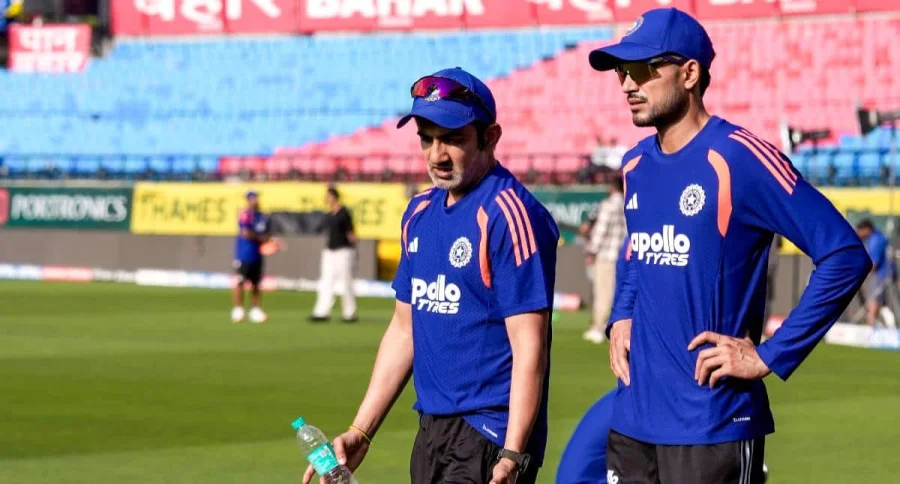

India head coach Gautam Gambhir has finally broken his silence on the controversial decision to omit wicketkeeper-batsman Sanju Samson from the playing XI. The statement came after India's heavy defeat to England in the third T20I at Trent Bridge.
The decision to bench Samson — who just months ago was hailed as a hero in India's T20 World Cup 2026 title win — has sparked intense debate across the cricketing community. Speaking to the press after the loss, Gambhir delivered a direct assessment of the situation.
Gambhir's Direct Verdict on Samson's Omission
According to ABP Live, Gambhir made it clear that past achievements cannot protect any player from the realities of current performance. "The first thing is that regarding..." Gambhir stated, emphasizing that selection is based on form and team requirements.
The head coach's remarks come at a time when Samson's exclusion has divided opinions among fans and experts. Many had expected the wicketkeeper-batsman to feature prominently after his heroics in the T20 World Cup triumph.
What This Means for Team India's Selection Policy
Gambhir's comments signal a shift in how the team management views past contributions versus current form. The coach's straightforward approach suggests that no player, regardless of their recent achievements, can expect automatic selection.
The loss to England has only amplified the scrutiny on the team's selection calls. Gambhir's silence on the matter had been noted by many, and his eventual response has provided some clarity on the team's thinking.
Our Take: Performance Over Reputation
In our view, Gambhir's stance is both honest and necessary. International cricket is unforgiving, and teams cannot afford to carry players based on past glory. While Sanju Samson's contributions to India's World Cup win are undeniable, selection must be based on current form and team balance.
That said, the timing of the decision — after a heavy defeat — raises questions about communication within the team. A clearer explanation earlier might have avoided some of the confusion. Moving forward, Gambhir's direct approach could set a new standard for how selection decisions are communicated to the public.