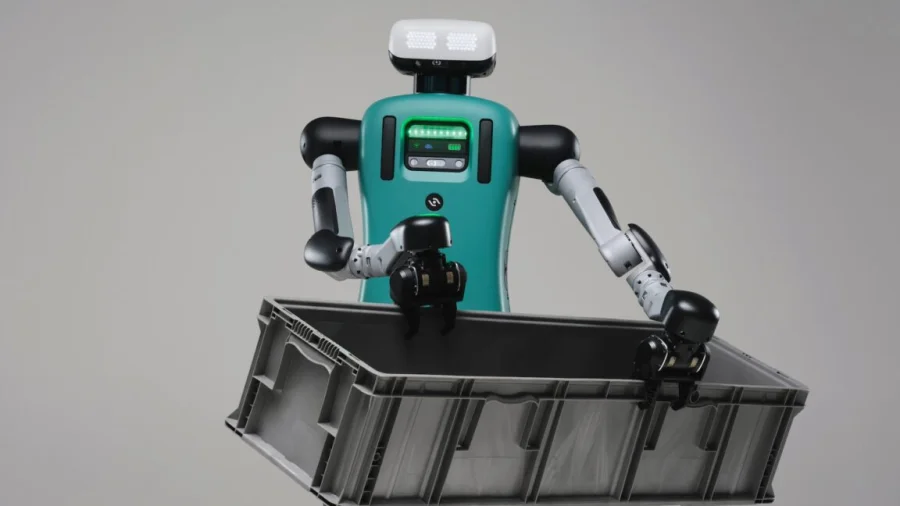

Self-driving robotaxis and delivery drones are already a reality. Now, researchers and startups are pushing toward the next big milestone: general-purpose robots that can help humans with tasks in workplaces and possibly homes. This shift is powered by modern artificial intelligence, and it is attracting billions of dollars in investment.
From Simple Navigation to Autonomous Decision-Making
The journey toward autonomous robots has been long. According to Ars Technica, Matt Malchano, a vice president in the field, recalled that about 15 years ago, his project team focused on autonomy. But back then, the goal was simple: "just get a robot to navigate from point A to point B." Today, the ambition is far greater — robots that can understand and act in complex environments without human guidance.
How AI Models Learn to Understand the Physical World
Modern AI models are being trained to understand how physical environments work. Some implementations rely primarily on visual data. According to Ars Technica, companies are collecting first-person videos for training data by hiring gig workers to wear head-mounted cameras as they do household chores or other tasks. This real-world data helps AI systems learn how objects move, how spaces are organized, and how tasks are performed.
The Race to Build General-Purpose Robots
This vision has motivated many researchers to become startup founders. The potential market is enormous — robots that can work in offices, factories, warehouses, and eventually homes. The technology is still developing, but the direction is clear: robots that can adapt to different tasks rather than being programmed for just one job.
Our Take: The Promise and the Challenge
In our view, the move toward general-purpose autonomous robots is both exciting and daunting. The technology has come a long way from simple navigation, but teaching a robot to fold laundry or clear a table is far harder than driving from point A to point B. The use of first-person video data is a clever approach — it gives AI models a human-like perspective on tasks. But it also raises questions about privacy and the quality of training data. Still, the billions of dollars flowing into this space suggest that investors believe the breakthrough is coming. For workplaces, this could mean robots handling repetitive or dangerous tasks. For homes, it could mean help with chores. The key question is not if this future arrives, but how soon — and how safely.