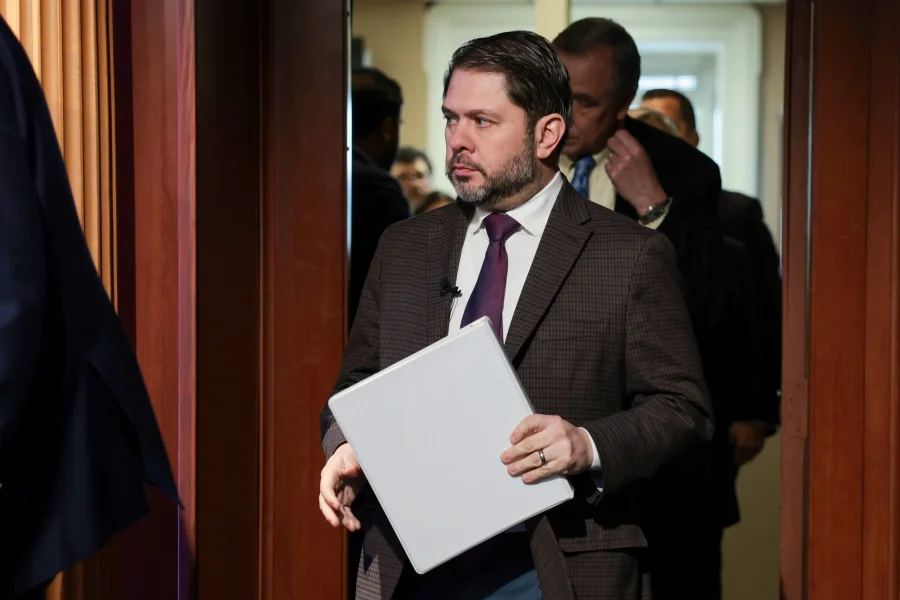

Arizona Senator Ruben Gallego is calling on the Trump administration to crack down on a growing problem in the job market: “ghost jobs.” These are online job listings that companies post but have no intention of filling. In letters sent to the Department of Labor and the Federal Trade Commission (FTC), Gallego asked both agencies to investigate how widespread these fake listings are and how they affect the government’s understanding of the labor market.
According to Fortune, Gallego’s letters specifically ask the agencies to explain how ghost jobs show up in federal labor data. He also wants to know what enforcement tools the government can use to stop companies from posting deceptive job ads. The senator questioned whether policymakers can still trust official data to evaluate the health of the job market if the government counts ghost jobs as real vacancies.
Why Ghost Jobs Are a Problem for Job Seekers
Gallego said these fake listings are not just a nuisance — they are actively harming people who are looking for work. “Job postings that employers have no intent to fill, or ghost jobs, are becoming increasingly common and are wasting young Americans’ valuable time and energy,” Gallego told Fortune. The senator’s concern is that job seekers spend hours applying for positions that do not exist, while companies waste no resources in return.
The practice also creates a false picture of the economy. If the government counts ghost jobs as real openings, the official job vacancy numbers could be inflated. That could lead policymakers to believe the labor market is stronger than it actually is, potentially delaying action to help workers.
What Gallego Is Asking the Trump Administration to Do
In his letters, Gallego made three specific requests:
- Investigate how common ghost jobs are across different industries
- Explain how these fake listings are counted in federal labor statistics
- Spell out what legal tools the government has to punish companies that post deceptive job ads
According to Fortune, the letters were sent to the Department of Labor and the FTC on Thursday. Gallego is pressing both agencies to take action, arguing that the current situation is unfair to workers and misleading to policymakers.
Our Take: Ghost Jobs Are a Hidden Tax on Job Seekers
In our view, Gallego is right to raise this issue. Ghost jobs are not just a minor annoyance — they are a form of deception that wastes the most valuable resource a job seeker has: time. For young people entering the workforce, every hour spent applying to a fake job is an hour they could have spent on a real opportunity. The fact that these listings may also be distorting official labor data makes the problem even more serious. If the government cannot trust its own numbers, how can it make smart decisions about the economy? The Trump administration should take this request seriously and investigate how deep the ghost job problem really goes.