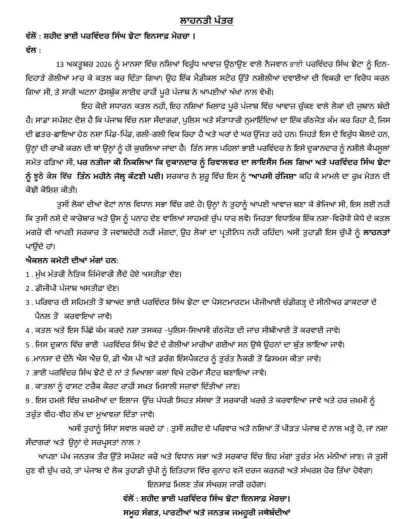
The Directorate General of GST Intelligence (DGGI) has arrested All-India Furnace Association president KK Garg and his son in connection with an alleged bogus billing scam. Sources said the case pertains to the 2020-21 financial year and involves alleged GST evasion of Rs 10-15 crore.
DGGI Arrest in Bogus Billing Case Triggers Panic Among Ludhiana Industrialists
The development has triggered panic among industrialists in Ludhiana and Mandi Gobindgarh, particularly those associated with the steel and furnace industry. Several industry representatives have alleged high-handedness on the part of the authorities.
According to Hindustan Times, the industrialist and his son have been booked in connection with the fake billing case, which is part of a broader crackdown on GST evasion in the region.
Arrest Details and Industry Reaction to GST Evasion Case
Sources said Garg was picked up by the DGGI for questioning and was formally arrested late last night. However, the department is tight-lipped over the matter, and no official statement has been released regarding the specifics of the case.
The arrest has sent shockwaves through the local business community. Industrialists in the steel and furnace sectors are particularly concerned, with some alleging that the authorities have acted with excessive force. The case highlights the ongoing scrutiny of billing practices in the region.
"Several industry representatives have alleged high-handedness on the part of the authorities." — Hindustan Times
What the Bogus Billing Case Means for the Steel and Furnace Industry
The alleged scam involves the creation of fake invoices to claim improper input tax credits, a practice that has been a focus of GST enforcement agencies across the country. The DGGI has been actively pursuing such cases to curb revenue leakage.
For the steel and furnace industry in Ludhiana and Mandi Gobindgarh, this arrest serves as a warning. Businesses in these sectors are now reviewing their own billing practices to ensure compliance with GST regulations. The case also underscores the need for transparency in financial transactions.
- The case pertains to the 2020-21 financial year, according to sources.
- Alleged GST evasion is estimated at Rs 10-15 crore.
- The DGGI has not released an official statement on the arrest.
Our Take: A Wake-Up Call for Compliance in Ludhiana's Industrial Sector
To put it plainly, this arrest is a clear signal that GST enforcement agencies are serious about cracking down on bogus billing. While industry representatives have raised concerns about high-handedness, the fact remains that fake billing practices hurt the economy by depriving the government of legitimate tax revenue.
In our view, the DGGI's action should serve as a wake-up call for businesses across Ludhiana and beyond. Compliance with GST rules is not optional — it is a legal obligation. Industrialists who have been operating with loose billing practices should take immediate steps to rectify their processes before they find themselves in a similar situation.
The panic among industrialists is understandable, but it should translate into action — not just fear. Companies should conduct internal audits of their billing systems and ensure that all transactions are properly documented and reported. The cost of compliance is far lower than the cost of an arrest and the reputational damage that follows.
As the case unfolds, more details are likely to emerge. For now, the message is clear: the authorities are watching, and bogus billing will not be tolerated.