


The Haryana Human Rights Commission (HHRC) has stepped in after Class XII students of a government school in Panipat filed complaints alleging abuse and poor facilities at their institution. The commission has taken cognisance of the matter and is now seeking detailed Action Taken Reports (ATRs) from the authorities concerned.
The complaints come from students of Government Senior Secondary School, Sanoli Khurd, located in Panipat's Bapoli block. Several students submitted the complaint, backing it with signatures, thumb impressions and photographs of the school premises.
What Students Have Alleged Against School Administration
The students have levelled serious allegations against the school administration, particularly the principal. According to the complaint, students faced abusive, humiliating and derogatory treatment, including the use of offensive language and insulting remarks directed at them.
The complaint further states that students were threatened with having their names struck off the rolls. They also alleged that they were made to remain outside classrooms as a form of punishment or mistreatment.
Classroom Conditions Also Under Scrutiny
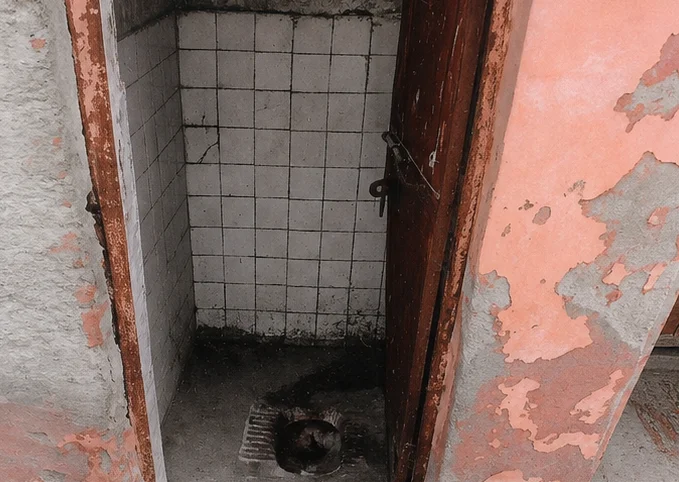
Beyond the allegations of verbal abuse, the complaint also points to problems with the physical facilities at the school. According to the complaint, the classroom allotted to Class 12-B has remained in a poor state, adding to the difficulties faced by students.
The photographs submitted along with the complaint are expected to serve as evidence of the conditions described by the students. The commission's decision to seek ATRs indicates that it is treating these allegations with seriousness.
What Happens Next in the Panipat School Case
The Haryana Human Rights Commission has now formally taken up the matter. By seeking detailed Action Taken Reports, the commission is asking the authorities to explain what steps have been taken in response to the complaints, or what action they plan to take.
This move puts pressure on the school administration and the education department to respond to the students' allegations in a concrete manner. The ATRs will help the commission determine whether the complaints hold merit and what further action may be required.
Our Take: Why This Complaint Matters
In our view, this case highlights a problem that often goes unnoticed in government schools across the country. Students who face mistreatment from authority figures rarely have a clear channel to raise their concerns. Here, the students took the step of formally complaining, complete with evidence, and the human rights commission has responded.
What stands out is the nature of the allegations — not just poor infrastructure, which is a common issue, but claims of humiliating treatment by the principal. If true, this points to a failure of the school environment to protect students' dignity. The threat of having names struck off the rolls is particularly concerning, as it suggests an attempt to silence students who speak up.
The commission's decision to seek ATRs is a positive step, but the real test will be in what those reports contain and whether any corrective action follows. Students in government schools deserve safe, respectful learning environments, and this case should serve as a reminder that their complaints must be taken seriously.