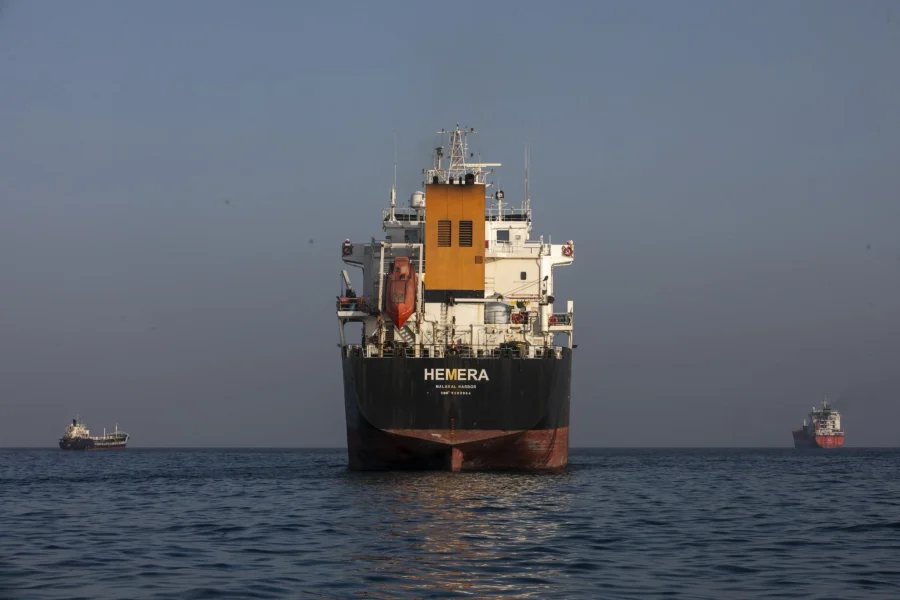

The Iran war has created chaos in global shipping, but one company is turning that chaos into record profits. Clarksons, the world's largest shipbroker, reported its best-ever operating profit of £64.8 million ($87 million) for the six months ending June 30. That is a more than 55% increase from the same period a year ago.
The U.K.-based company, founded in 1852, also saw a nearly 40% increase in revenue to £413.5 million ($555.5 million). The numbers show a company thriving while trade routes face serious disruption.
How the Iran war drives shipbroker profits
CEO Andi Case attributed the jump to worldwide changes in supply chains as a result of the Iran war. These changes have increased demand for companies like Clarksons.
Shipbrokers are third-party firms that act as middlemen. They connect shipowners, such as Maersk, with cargo-holders, like retailers. When supply chains shift and routes change, shipping companies need brokers to find new vessels, negotiate deals, and manage the chaos.
According to the original story, Clarksons is benefiting from the "exceptional volatility" in the Strait of Hormuz. Traffic in the strait continues to be disrupted during the monthslong Iran war, and that disruption is creating business opportunities for the broker.
What the record earnings mean for global trade
The record earnings show a clear picture: the Iran war is reshaping how goods move around the world. When a major chokepoint like the Strait of Hormuz becomes unstable, shipping routes change, costs rise, and companies need expert help to navigate the uncertainty.
Clarksons' success is not just about one company doing well. It signals that the disruption in the region is serious and prolonged. The more volatile the situation becomes, the more shipping companies and cargo owners need brokers to handle their business.
"Clarksons delivered a record first half performance, reflecting both the..." — Andi Case, CEO of Clarksons
Our Take: Who really wins in a trade war
To put it plainly, this news shows that war and trade disruption create winners as well as losers. While retailers and consumers face higher shipping costs and delays, companies like Clarksons that provide essential services during chaos see their business boom.
In our view, this is a reminder that the cost of the Iran war goes far beyond the battlefield. Every disrupted shipment, every rerouted vessel, and every supply chain change has a price tag. And someone is always there to collect it.
The question for readers is simple: if the world's largest shipbroker is making record profits from this volatility, who is paying for it? The answer is likely everyone who buys goods that travel through global supply chains. When shipping becomes more complicated and expensive, those costs eventually reach consumers.
Clarksons' record earnings are a clear signal that the Iran war's economic impact is deep and ongoing. The company's success is directly tied to the world's trade problems — and that is not a healthy sign for the global economy.