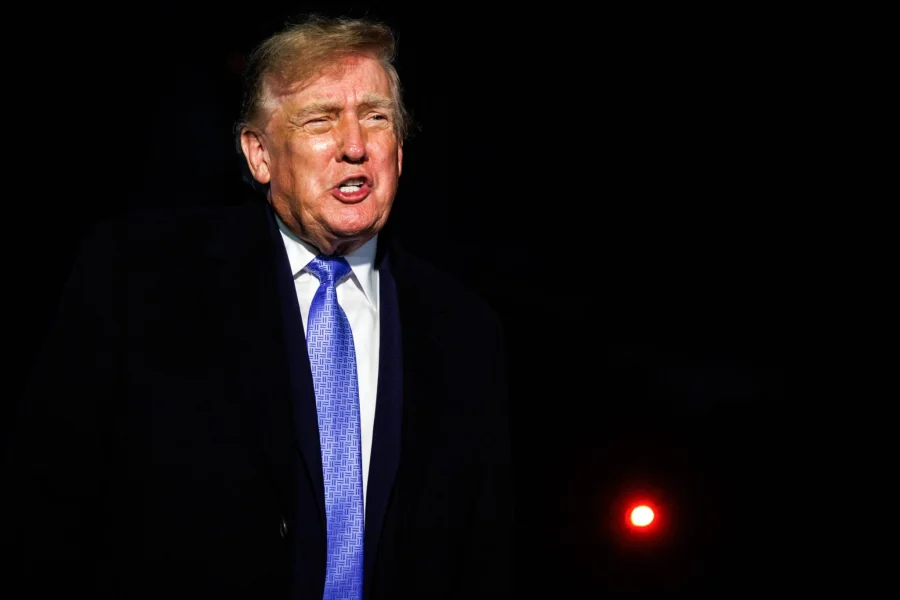

The war between the US and Iran is unlikely to end any time soon. Geopolitical and energy analysts say the conflict will probably continue at least through the congressional midterms in November — and possibly longer. The reason is simple: Iran wants to keep the political pressure on President Donald Trump right through the election cycle.
This is not a war that is winding down. It is a war that keeps repeating the same pattern — peace talks, collapsed negotiations, and modest escalations of violence. Analysts describe it as a "Groundhog Day" cycle that shows no sign of breaking.
Why Iran Wants the War to Continue Through the Midterms
The core of the story is political, not military. Iranian officials are divided between public-facing politicians and the increasingly powerful Islamic Revolutionary Guard Corps (IRGC). Both sides, according to analysts, want to maximize their leverage and cause political harm to Trump as the midterms approach.
For Iran, keeping the conflict alive serves a purpose. It keeps attention on the US president, feeds uncertainty in global oil markets, and gives Tehran bargaining chips it would otherwise lose at the negotiating table.
Peace Talks Are Going Nowhere
The US and Iran remain far apart in peace talks. There is no sign of a breakthrough. At the same time, more oil is flowing through the Strait of Hormuz under US escort of late — a shift that weakens Iran's position.
That leaves Iran with two choices, analysts say: maintain the status quo, or intensify its attacks. Neither option points to a quick end to the war.
- Iran's leadership is split between politicians and the IRGC, with the Guard growing more powerful
- Tehran's goal is to hurt Trump politically in the election cycle
- More oil moving through the Strait of Hormuz under US escort is eroding Iran's leverage
- The war has settled into a repeating cycle of talks, collapse, and limited escalation
Our Take: This War Is Being Fought on a Political Calendar
To put it plainly, this is not a conflict that will be resolved by military logic alone. It is being fought on a political calendar — and that calendar runs through November.
Iran has little incentive to end the war before the midterms. Every week the conflict drags on, it keeps pressure on Trump, distracts Washington, and keeps oil markets jittery. For Tehran, that is leverage. For the US, it is a problem with no easy answer.
In our view, readers should not expect a peace deal before the midterms. The more likely scenario is more of the same — or worse. If Iran feels it is losing ground, as analysts suggest, escalation becomes a real possibility. That means higher risks for oil prices, for US troops in the region, and for global stability.
The bottom line: this war is not ending soon. It is being managed, not solved — and that management is tied to American politics.