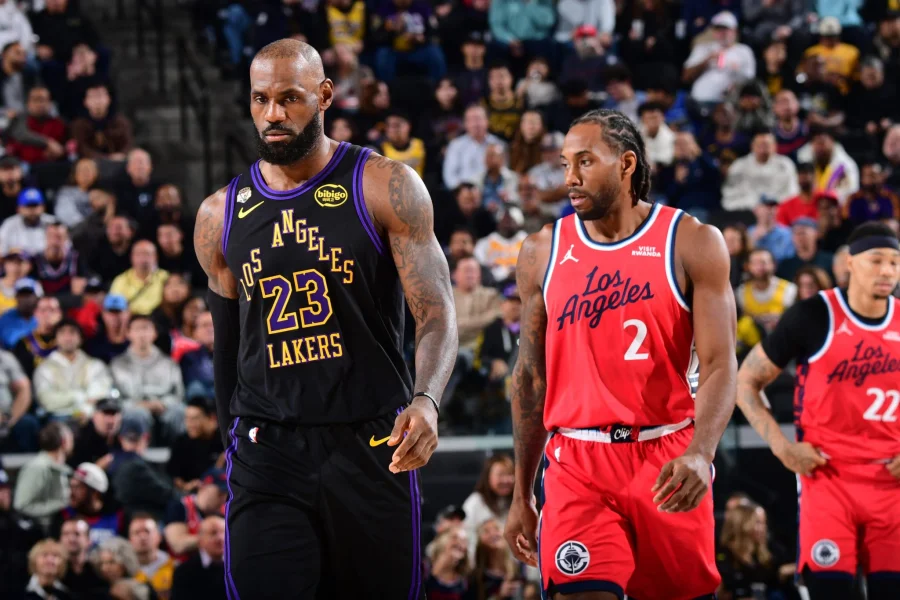

Three of the richest owners in sports are facing scrutiny for the same reason: they had money on both sides of a deal. The cases involve Steve Ballmer and the Los Angeles Clippers, Mark Walter and the Los Angeles Lakers, and the owner of Manchester City.
The pattern is simple to describe. A billionaire buys a sports team. That billionaire also invests in other companies. Sometimes those companies end up doing business with the team itself, or with its players, or with its sponsors. When that happens, the owner is effectively sitting on both sides of the table.
Steve Ballmer and the Aspiration Deal
Steve Ballmer invested in Aspiration, a financial services company. That same company signed his star player, Kawhi Leonard, to an endorsement deal. So the man who pays Leonard's salary also had money in the business paying Leonard to promote it.
To put it plainly, that is not automatically wrong. But it does raise an obvious question: who was looking out for the team, and who was looking out for the investment?
Manchester City and the Sponsor Fees
Manchester City's owner, through his investment vehicle, covered some of the fees the club's sponsors were supposed to pay. An independent commission found this. In other words, money linked to the owner went in to cover payments that were meant to come from sponsors.
That finding matters because sponsor money is supposed to be outside income for a club. When the owner's own vehicle steps in to cover it, the line between the club's money and the owner's money gets blurry.
Mark Walter, the Lakers and the Insurers
Mark Walter is the former owner of the Los Angeles Lakers. Insurers controlled by him lent billions to companies tied to his own financial empire. That lending led to lawsuits and an SEC investigation.
This is the most serious of the three cases on paper. Lawsuits and a regulator's investigation mean the consequences are already piling up, not just being debated.
Why This Keeps Happening
The original reporting explains the root of it well: it takes a fortune far bigger than any sports team to buy one, and that fortune rarely sits still. It gets invested in startups, private holding companies and insurers.
- Ballmer's case involves an investment and a player endorsement deal
- Manchester City's case involves the owner's vehicle covering sponsor fees, per an independent commission
- Walter's case involves insurer lending, lawsuits and an SEC investigation
None of these owners set out to create a conflict. The conflicts come from the sheer size and spread of their holdings. A team is just one asset in a much larger pile, and the pile keeps moving.
Our Take: The Rules Have Not Caught Up
In our view, this is less about three bad actors and more about a system that was never built for owners this rich. League rules were written for people who owned a team and maybe a car dealership. They were not written for people who own insurers, investment vehicles and stakes in the companies their players promote.
The Manchester City finding is the clearest warning. An independent commission had to step in to establish where sponsor money really came from. That is a rulebook problem, not just a club problem.
For fans, the practical takeaway is this: when your team signs a big sponsorship or your star player lands a lucrative endorsement, it is worth asking who is really paying. Sometimes the answer leads right back to the owner's own pocket. Until leagues require clear disclosure of these overlapping deals, the same stories will keep coming back, with different names and different teams.