
Summary
The technology industry is facing a massive wave of job cuts in 2026, with more than 92,000 workers losing their positions so far this year. While many companies are using traditional layoffs to reduce their staff, Microsoft is trying a different approach by offering voluntary buyouts to its long-term employees. This strategy allows the company to reduce its workforce while avoiding the legal risks and bad feelings that often come with firing people. These changes are happening as big tech companies shift their focus and money toward artificial intelligence (AI).
Main Impact
The decision by Microsoft to offer buyouts instead of forced layoffs marks a significant shift in how major tech firms manage their staff. By giving employees a choice to leave with a financial package, Microsoft aims to become a leaner and more efficient company without the public relations damage of a mass firing. This move is part of a larger trend where businesses are trying to balance high costs with the need to invest billions of dollars into new AI technology. For workers, it means the job market is becoming more uncertain, but those with many years of service may have a chance to leave on their own terms with extra pay.
Key Details
What Happened
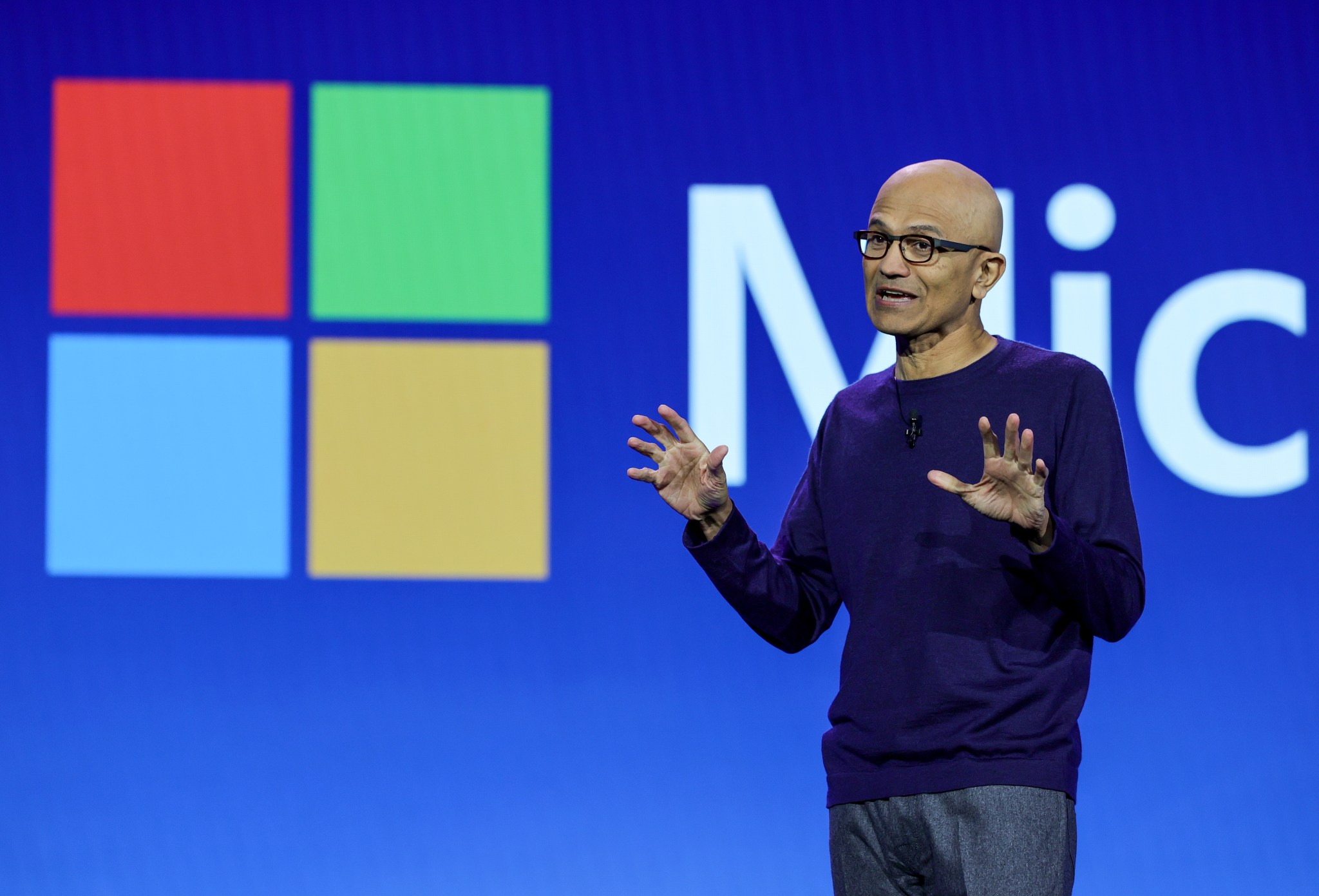
In a single week, two of the world's largest tech companies announced major staff reductions. Meta, the company that owns Facebook and Instagram, revealed plans to cut about 10% of its workforce, which equals roughly 8,000 people. Meta also decided to leave 6,000 open jobs empty rather than hiring new people. On the same day, Microsoft announced its first-ever voluntary buyout program for experienced workers in the United States. Instead of picking who to fire, Microsoft is asking certain employees if they would like to quit in exchange for a payout.
Important Numbers and Facts
The scale of these cuts is significant across the entire industry. Here are the key figures involved in these recent moves:
- 92,000: The total number of tech workers laid off across the industry in 2026.
- 8,500: The number of Microsoft employees eligible for the voluntary buyout.
- The Rule of 70: To qualify for Microsoft’s buyout, an employee’s age plus their years of service at the company must add up to at least 70.
- $145 Billion: The amount Microsoft expects to spend on capital projects, mostly AI, this fiscal year.
- $700 Billion: The total amount the biggest tech companies are expected to spend on AI infrastructure in 2026.
Background and Context
For many years, tech companies competed to hire as many people as possible. However, the rise of artificial intelligence has changed the way these businesses operate. AI requires massive amounts of money to build and run, including expensive computer chips and large data centers. To afford these costs, companies are looking for ways to spend less on human staff. Experts say that businesses have realized they can do the same amount of work with fewer people by using AI tools. This has led to a situation where companies are "trimming" their staff to make room in the budget for technology investments.
Public or Industry Reaction
Legal experts and industry analysts see buyouts as a smart move for large corporations. Domenique Camacho Moran, a lawyer who works with large companies, explains that buyouts are often better than layoffs because they reduce the risk of lawsuits. When a company fires a specific group of people, they have to prove that the decision was fair and based on performance. With a voluntary buyout, the employee chooses to leave, which makes the process much smoother for the company’s legal department.
Inside the companies, the reaction is mixed. Some employees see the buyout as a great opportunity to retire early or start a new career with a safety net of cash. Others worry that these programs are a way for companies to push out older, more expensive workers. In the past, Google used a similar method and was very honest about it, telling employees that the buyout was a good path for those who were struggling to meet work expectations or who did not agree with the company's new direction.
What This Means Going Forward
The trend of offering buyouts is likely to continue as more companies look to change the skills of their workforce. As AI becomes a bigger part of every job, companies may no longer need the same types of workers they hired ten years ago. We can expect to see more "voluntary" programs that encourage older or less productive workers to move on. This allows companies to hire new people with AI skills or simply keep their staff numbers lower to save money. For the average tech worker, this means that staying at one company for a long time may become less common, and being ready to change roles will be more important than ever.
Final Take
The tech industry is no longer just focused on growing its headcount. Instead, the goal has shifted to being as efficient as possible while winning the race to build the best AI. Microsoft’s move to offer buyouts shows that even the most successful companies are looking for ways to change their staff without causing a crisis. While it is a softer way to reduce numbers than a sudden layoff, it still points to a future where there are fewer traditional jobs available in the world of big tech.
Frequently Asked Questions
What is a voluntary buyout?
A voluntary buyout is an offer from a company to pay an employee a certain amount of money to quit their job. It is a way for a company to reduce its staff numbers without having to fire people against their will.
Who can take the buyout at Microsoft?
At Microsoft, the offer is for U.S. workers whose age and years of service at the company add up to 70 or more. This means it is mostly aimed at experienced, long-term employees. People in sales roles are generally not included in this specific plan.
Why are tech companies cutting jobs while spending billions on AI?
Companies are cutting jobs to save money on salaries so they can afford the very high costs of AI technology. They also believe that AI will allow them to run their businesses with fewer human employees in the future.