

Summary
The central government is considering a major plan to extend the Namo Bharat Regional Rapid Transit System (RRTS) to Haridwar and Rishikesh. This expansion would connect the current Meerut line to these popular spiritual cities in Uttarakhand. If the plan moves forward, people traveling from Delhi-NCR could reach the banks of the Ganges in just two to three hours. This project aims to make long-distance travel faster and more comfortable for millions of commuters and tourists.
Main Impact
The biggest impact of this project is the massive reduction in travel time. Currently, driving from Delhi to Rishikesh can take anywhere from six to eight hours, depending on heavy traffic and road conditions. The new high-speed train system would cut this time down to between 2.25 and 3 hours. This change would make a trip to the mountains as quick as a cross-city drive during rush hour in Delhi.
Beyond speed, the project will change how people live and work in the region. By linking the capital more closely with the foothills of the Himalayas, the government hopes to reduce the pressure on busy highways. It also provides a reliable and modern alternative to buses and private cars, which often face long delays on the roads leading to Uttarakhand.
Key Details
What Happened
The idea for this expansion gained speed after recent meetings between Uttarakhand Chief Minister Pushkar Singh Dhami and Union Minister Manohar Lal Khattar. They discussed how to grow the existing rail network to help both residents and visitors. The plan involves extending the tracks from the current end point in Meerut all the way to the holy cities of Haridwar and Rishikesh. This move is part of a larger effort to improve transport links across state borders in North India.
Important Numbers and Facts
The existing Delhi-Ghaziabad-Meerut corridor is 82 kilometers long and cost more than Rs 30,000 crore to build. Extending this line further north will require a lot more money and planning. Early reports show that the Uttarakhand government has already asked for about Rs 750 crore. This money would be used for specific needs like automatic power systems and moving cables underground. These upgrades are necessary because the area near Haridwar is environmentally sensitive and hosts large events like the Kumbh Mela.
The proposed route will start from the Modipuram station in Meerut. It is expected to follow the path of National Highway 58. Several new stations are being planned along the way, including Daurala, Sakauti, Khatauli, and Purkazi. The train would then pass through Roorkee before reaching its final stops at Jwalapur in Haridwar and then Rishikesh.
Background and Context
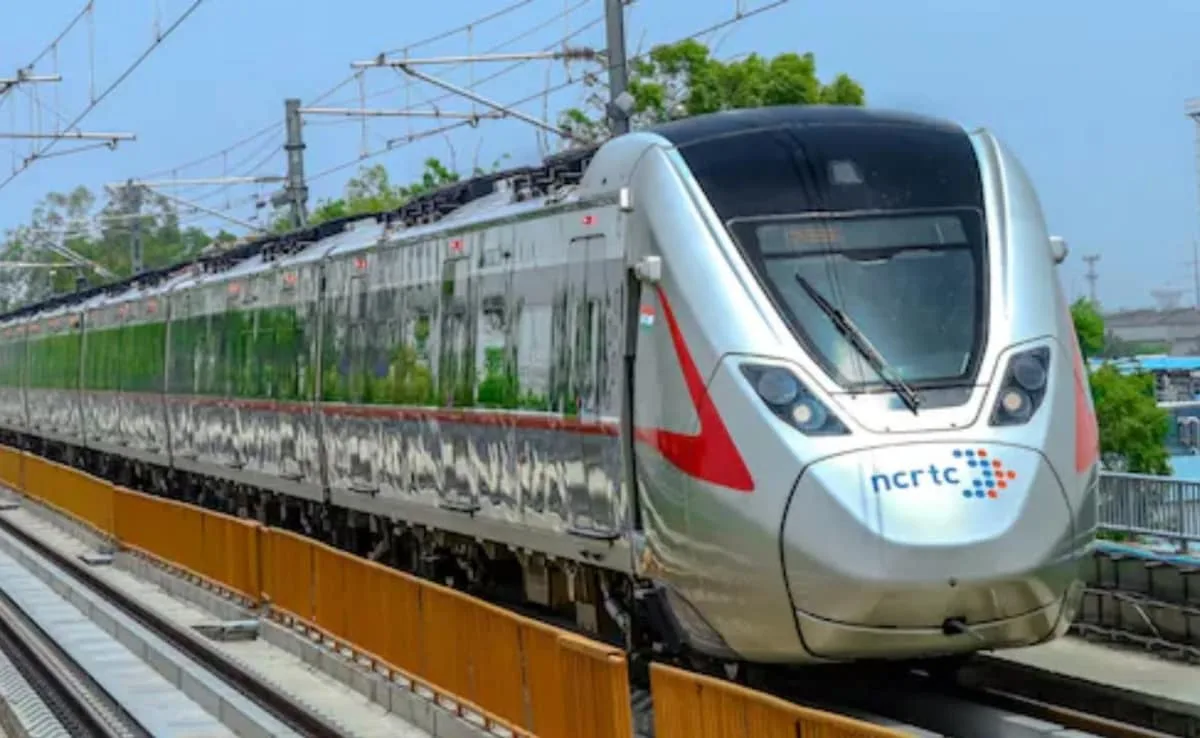
The Namo Bharat RRTS is a new kind of train system in India. It is faster than a regular metro train but stops more often than a long-distance express train. It is designed to help people move between cities quickly. The first part of the system already connects parts of Delhi to Meerut, helping people commute for work every day.
Connecting this system to Haridwar and Rishikesh is important because these cities are some of the most visited places in India. Every year, millions of pilgrims and tourists travel there for religious reasons, yoga, or adventure sports. The current roads are often blocked by traffic, especially during holidays and festivals. A high-speed rail link would solve many of these transport problems.
Public or Industry Reaction
People in the real estate and tourism industries are very excited about this news. Experts believe that making the trip faster will cause a huge increase in demand for property in Uttarakhand. Some predict a 200% jump in interest for holiday homes, rental villas, and small guest houses. Many people living in Delhi might choose to buy a second home in the hills if they can get there in only a few hours.
Local business owners in Haridwar and Rishikesh also expect more customers. With easier travel, more people might visit for short weekend trips instead of waiting for long vacations. This would bring more money into the local economy and create new jobs in hotels, restaurants, and transport services.
What This Means Going Forward
The project is currently in the planning stage. This means experts are looking at the best routes and calculating the total cost. The central government still needs to give the final green light before construction can begin. There are also environmental factors to consider, as the train will pass through areas that are protected or near the river.
If approved, the construction will likely happen in phases. The first step will be extending the line from Meerut toward the border of Uttar Pradesh and Uttarakhand. Once the infrastructure is ready, it will create a seamless path from the heart of the capital to the mountains. This could set a standard for how other major cities in India connect to nearby tourist spots.
Final Take
The expansion of the Namo Bharat RRTS is a bold step toward modernizing travel in North India. By turning a long, tiring road journey into a quick train ride, the government is making the mountains more accessible than ever. This project is not just about faster trains; it is about growing the economy and making life easier for millions of people who travel between Delhi and the spiritual heart of the country.
Frequently Asked Questions
How long will it take to travel from Delhi to Rishikesh on the RRTS?
The proposed train system is expected to complete the journey in about 2.25 to 3 hours, which is much faster than the current travel time by car or bus.
Which cities will have new stations under this plan?
The plan includes several new stations such as Daurala, Sakauti, Khatauli, Purkazi, Roorkee, Haridwar, and Rishikesh.
Is the project already under construction?
No, the project is currently in the planning and proposal phase. The government is still discussing the costs, the route, and the necessary infrastructure upgrades before starting work.
