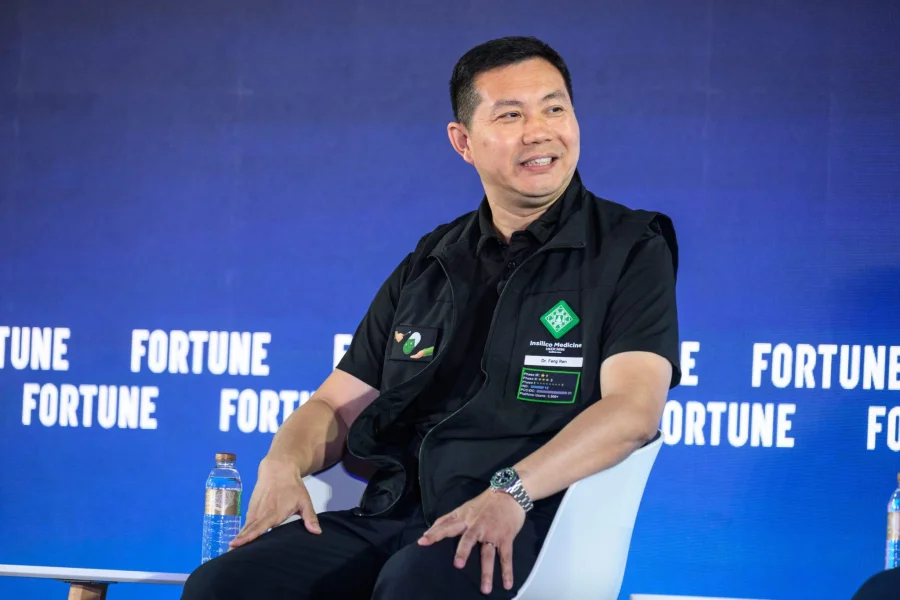

Insilico Medicine’s co-CEO says the company "might have a chance to stop biological aging" after seeing promising results from its fibrosis drug trial. The comment came during a discussion about the future of healthcare and longer lifespans.
The statement was made at the Fortune Leaders Forum in Macau on Sept. 8, where healthcare executives gathered to talk about what lies ahead for medicine and aging populations.
Fibrosis drug trial results raise hopes for aging research
The co-CEO’s optimism is tied directly to Insilico’s work on a fibrosis drug. Fibrosis is a condition where tissue becomes thick and scarred, often affecting organs like the lungs or liver. The promising trial results suggest the drug may work as intended, and that success has fueled bigger ambitions.
According to the original story, the hope is that if the company can successfully treat age-related conditions like fibrosis, it may eventually be able to target the broader process of biological aging itself. The co-CEO’s comment reflects that long-term goal.
Healthcare leaders worry about cost, not just science
While scientists chase breakthroughs, industry leaders at the same forum pointed to a more immediate problem: paying for it all.
"The question is not the availability of all these new technologies. It’s how we’re going to make good medical care accessible to millions, and how we’re going to make it affordable as we age." — Kelvin Loh, group chief healthcare officer at AIA
Loh’s warning comes as the region faces a major demographic shift. One in four people in Asia-Pacific will be over 60 by 2050, up from around one in seven now. That means more chronic conditions and more pressure on healthcare systems that are already stretched.
AI drugmakers bet on easing the burden
Insilico is part of a wave of AI-driven drugmakers that believe they can ease that burden. By using artificial intelligence to speed up drug discovery and development, these companies hope to bring treatments to market faster and at lower cost.
The original story notes that AI drugmakers are betting they can tackle the strain on healthcare systems by developing treatments more efficiently. Insilico’s fibrosis drug is one example of that approach in action.
Our Take: Science is moving fast, but access is the real test
To put it plainly, the idea of stopping biological aging is no longer pure science fiction. Insilico’s co-CEO is speaking from a place of real data, not just hope. If a fibrosis drug works, it proves that AI can help crack diseases tied to aging — and that is a big deal.
But the more honest conversation happening at the forum is about money. Even if Insilico or others succeed, the treatments will only matter if people can actually get them. The demographic numbers are stark: a region where one in four people will soon be over 60 cannot afford healthcare that only the wealthy can access.
In our view, the real breakthrough will not just be a drug that slows aging. It will be a system that makes that drug affordable for the millions who need it. Science gives us the possibility — but policy and pricing will decide whether that possibility becomes reality.