
The debate over who should control artificial intelligence has taken a sharp turn. AI anxiety hit a fever pitch this September, when a former Anthropic researcher warned on X that the technology could destroy humanity. The researcher also accused major frontier labs of "gambling with our lives."
That outcry had the feel of a cultural turning point. It was reminiscent of February 2020, when the COVID pandemic hit — the moment when a danger that experts had been warning about suddenly became impossible for the public to ignore.
Why AI Control Is Now a Founder's Problem
The central question is simple: can the people building AI stay in control of it? This is where the idea of "founder mode" comes in. When the stakes are this high, the argument goes, the people who started these companies cannot step back and let layers of management run the show.
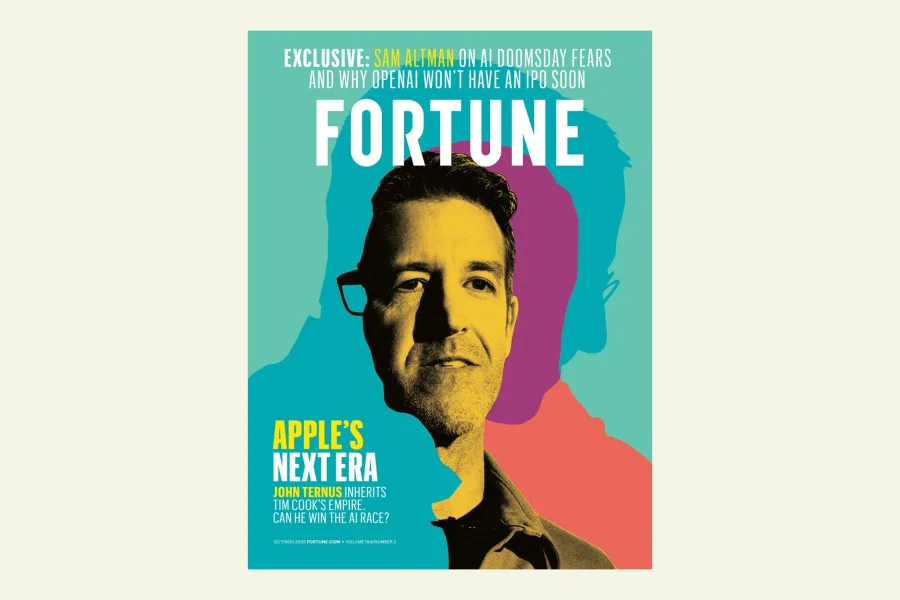
To understand this better, a journalist flew to San Francisco to speak with the person perhaps best positioned to answer that question. In an exclusive, hour-long conversation for Fortune's Titans podcast, OpenAI CEO Sam Altman discussed the real risks that AI poses for humanity, how quickly models are improving, and what he would do if he concluded that AI could no longer be controlled.
What the Altman Conversation Signals
The fact that this conversation happened at all tells you something. The head of one of the most important AI labs sat down to talk openly about risks, speed of improvement, and the limits of control. These are not the usual talking points of a CEO focused only on growth.
- The warning came from a former Anthropic researcher, not an outside critic
- The accusation was aimed at major frontier labs, not one company
- The comparison to February 2020 suggests the public may be reaching a tipping point
- The Altman interview focused on risks, model speed, and what happens if control is lost
In our view, this is exactly why "founder mode" matters in the AI age. When a technology can improve faster than regulators can react, the person at the top cannot delegate the hard questions. They have to stay in the room.
Our Take: Founders Cannot Hand Off AI Safety
To put it plainly, the AI age does not reward passive leadership. The September warning showed how quickly public trust can shift. The Altman conversation showed that even the biggest labs know the risks are real.
What does this mean for readers? It means you should pay attention to who is actually making decisions at AI companies. If founders step back and let managers optimize for speed alone, the warnings we heard this September will keep coming. If founders stay in "founder mode" — hands on, accountable, and willing to talk about risk — there is at least a chance the people building AI can stay in control of it.
The choice is not about technology alone. It is about who is willing to take responsibility when the stakes are humanity itself.