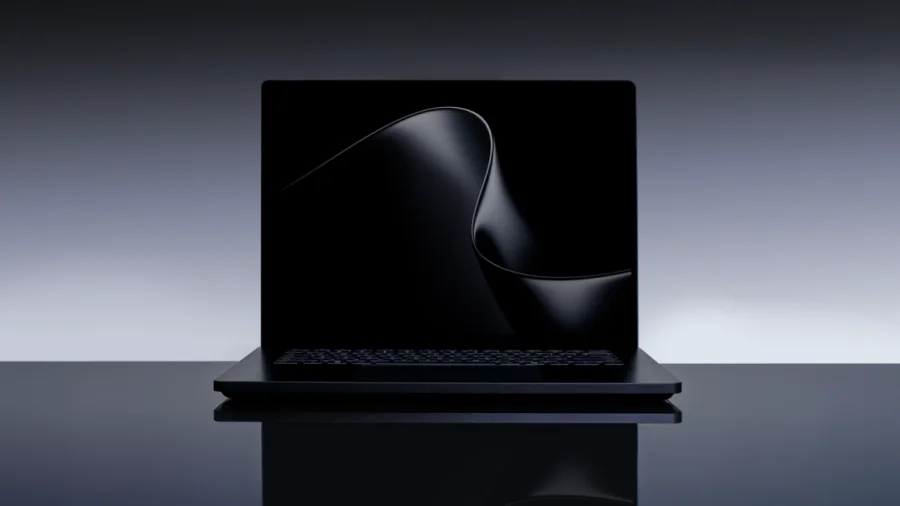

Microsoft held its first live event in two years and used it to announce new AI-friendly hardware and a set of changes coming to Windows 11. The centerpiece is the Surface Laptop Ultra, a new laptop built for AI work. The company also shared its vision of how local AI and agentic workflows could change personal computing for developers and home users alike.
Surface Laptop Ultra: Microsoft's First Nvidia RTX Spark Device
The Surface Laptop Ultra is Microsoft's first offering to use the new Nvidia RTX Spark SoC (system on a chip). The device was originally teased in May 2026. It starts at $2,599 and comes in various SoC and memory configurations.
Buyers can choose between a 5120-core or 6144-core Blackwell GPU, with up to 128GB of LPDDR5x unified memory. The laptop will begin shipping on October 16 and is available for pre-order now.
Microsoft made clear that the new Ultra is focused on the developer crowd, though the event also spoke to home enthusiasts who want AI features running on their own machines rather than in the cloud.
Windows 11 Changes Built Around Local AI and Agents
Alongside the hardware, Microsoft outlined a host of changes coming to Windows 11. The company framed these changes around local AI and agentic workflows — meaning AI that runs on the device itself and software agents that can carry out tasks on a user's behalf.
Microsoft presented this as a shift in how personal computing could work, with the same vision applying to developers building tools and to everyday users at home. The event did not just focus on one group — it tied the new hardware and the Windows 11 changes together as a single direction for the platform.
Our Take: A Clear Bet on On-Device AI
To put it plainly, Microsoft is making a direct bet that AI belongs on your device, not just in a data center. The Surface Laptop Ultra's specs — a Blackwell GPU and up to 128GB of unified memory — are not casual upgrades. They are built for people who want to run AI workloads locally.
In our view, the $2,599 starting price tells you who this first wave is for. This is a developer and pro-user machine, not a mass-market laptop. That is a reasonable first step, but it also means most regular Windows users will experience this shift through the Windows 11 changes, not through new hardware.
The bigger question is whether agentic workflows on Windows 11 deliver real value or just add complexity. Microsoft has now committed to that direction in public. Readers should watch how these Windows 11 changes actually behave in daily use — that, more than any spec sheet, will decide whether this vision holds up.