
The National Green Tribunal (NGT) has issued an interim order banning all sports activities at three major cricket stadiums in India. The decision comes after the stadium managements refused to respond to legal notices regarding their water procurement methods.
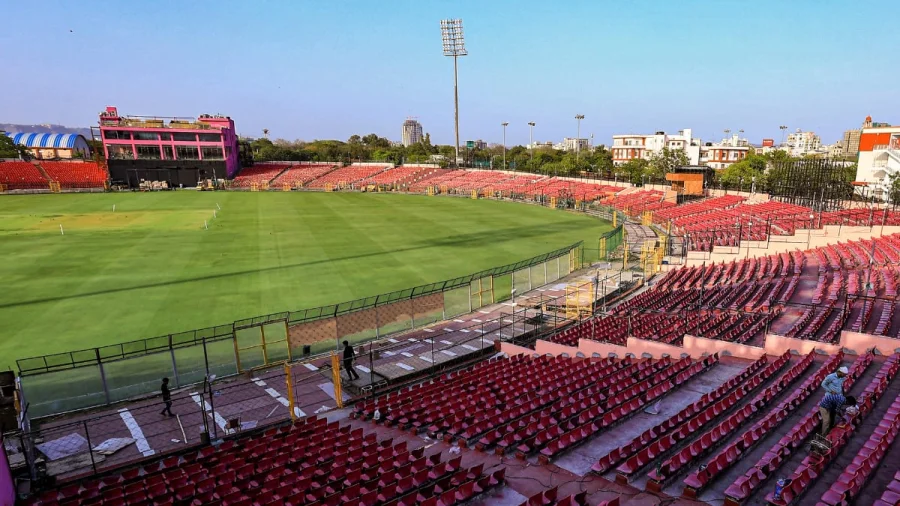
The affected venues are Mumbai's DY Patil Stadium, Jaipur's Sawai Mansingh Stadium, and Raipur's Shaheed Veer Narayan Singh International Stadium. These grounds were scheduled to host matches in the Indian Premier League (IPL) 2027 season.
Why the NGT Stopped Sports Activities at These Stadiums
The NGT's investigation found that these stadiums were extracting groundwater in an unsustainable manner to prepare playing surfaces. This was happening even during local water shortages. The stadium managements ignored multiple warnings from both the Green Tribunal and the Central Ground Water Authority.
According to the original story, the enforcement order impacts these three venues because they failed to address environmental concerns. The administrative silence from the stadium managements triggered legal sanctions from the tribunal.
What This Means for IPL 2027
The ban directly affects the IPL 2027 schedule. All three stadiums were expected to host matches in the upcoming season. With sports activities now halted, the Board of Control for Cricket in India (BCCI) will need to find alternative venues or resolve the issue before the tournament begins.
The NGT's interim directive is clear — no sports activities can take place until the stadiums comply with environmental regulations regarding water use.
Our Take: A Necessary Step for Accountability
In our view, the NGT's action is long overdue. Cricket stadiums consume massive amounts of water to maintain pitches, especially during the dry summer months when IPL is played. When local communities face water shortages, it is unacceptable for stadiums to extract groundwater without any oversight.
The fact that these stadium managements ignored legal notices shows a disregard for environmental laws. The NGT has sent a strong message — no institution, not even a major sports venue, is above the law. The BCCI and stadium authorities must now find sustainable water solutions, such as using treated sewage water or rainwater harvesting, before any matches can resume.