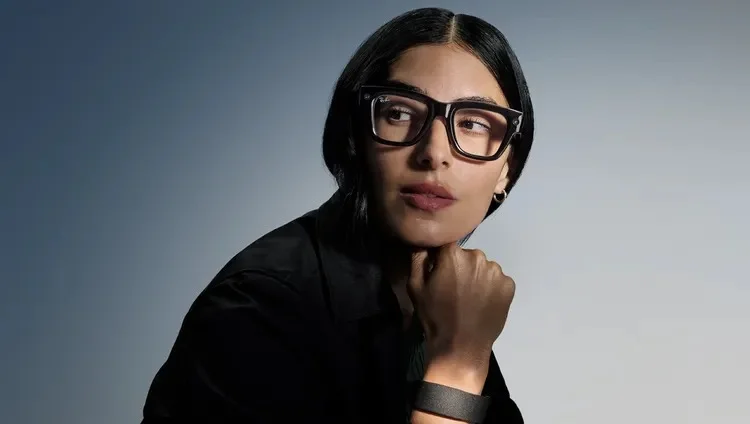

Norway has become the first major country to propose a temporary ban on AI glasses in selected public places. The country's center-left government announced the plan, citing growing privacy concerns over wearable technology that can record people without them knowing.
The proposed ban would cover places such as parks, beaches, schools, and kindergartens. The government said it would introduce a law to parliament soon. It will also set up an expert group to propose permanent national rules for AI glasses.
Why Norway Wants to Ban AI Glasses in Public Places
The main worry is simple: people could be recorded without their knowledge. AI glasses look like normal eyewear but can carry cameras and other sensors. That makes it hard for anyone nearby to know they are being filmed or photographed.
Norway's digitalization minister, Torgeir Micaelsen, spoke directly about this concern. He said he is worried about the introduction of powerful new technology where people risk being photographed, filmed, or recorded without their knowledge.
The government believes a temporary ban will give it time to study the issue properly. According to the announcement, the pause "will give us time to conduct a thorough assessment and hold an informed debate that can lay the foundation for permanent regulations."
What Happens Next With the AI Glasses Ban
The plan moves in two steps. First, the government will send a law to parliament for a temporary ban in the selected public places. Second, an expert group will study the technology and recommend permanent national rules.
- The temporary ban targets parks, beaches, schools, and kindergartens
- A law will be introduced to parliament soon
- An expert group will propose permanent national rules
- The core concern is secret recording of people by wearable cameras
Norway is the first major country to take this step. That matters because AI glasses are sold in many countries, but few governments have written rules for them. If Norway's plan becomes law, it could push other countries to look at the same question.
Our Take: A Small Country Asking a Big Question
In our view, Norway is doing the sensible thing by slowing down before the technology spreads further. AI glasses are useful, but a camera that hides in plain sight changes the balance between the person wearing it and everyone around them. Schools and kindergartens are places where children cannot consent to being recorded, so starting there makes sense.
To put it plainly, this is not about banning technology. It is about buying time to write rules that actually work. The temporary ban gives Norway room to study real problems instead of guessing. The expert group is the more important part of the plan, because permanent rules need facts, not fear.
The risk is that a temporary ban becomes a permanent one without clear reasons. Norway should publish what the expert group finds and let the public see the debate. If the rules are fair and clear, other countries will likely follow. If they are vague, they will only confuse people.
For readers, the message is straightforward: the era of wearing a camera on your face without any rules is ending. Governments are starting to pay attention, and Norway is the first to act.