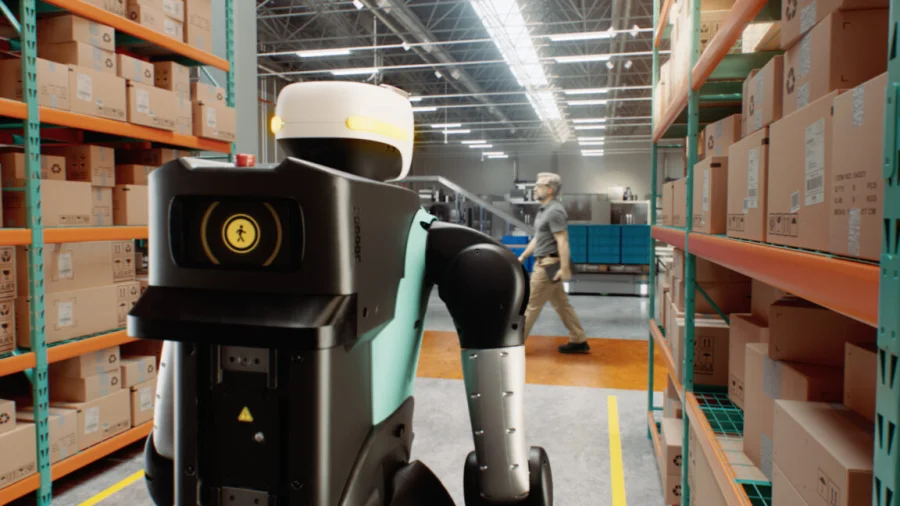

Nvidia is known for the chips that power AI data centers. But the company has also placed a multibillion-dollar bet on something else: physical AI. This means machines that move and act in the real world, like robotaxis, warehouse robots, and humanoid robots. The goal of this bet is safety — making sure these machines do not harm people around them.
According to the original story, investors are bullish on AI data centers, and that may be fueling Nvidia's multitrillion-dollar market capitalization. At the same time, the AI chipmaker has put billions of dollars into physical AI technologies. A big part of that effort is a full-stack safety system that other companies can build on.
What Is Nvidia Halos and Why Does It Matter for Robotaxis?
Nvidia's Halos system launched in 2025. It gives developers hardware and software tools to build guardrails into self-driving cars and other autonomous vehicles. In simple terms, guardrails are safety limits that stop a machine from doing something dangerous.
For robotaxis, this matters a lot. A self-driving car that carries passengers must be able to detect people, avoid collisions, and know when to stop. Nvidia's Halos system is designed to help developers put those safety checks in place before these vehicles hit the road.
Nvidia Expands Safety Push to Humanoid and Warehouse Robots
Nvidia did not stop at cars. The company expanded its safety architecture to more physical AI technologies by announcing Nvidia Halos for Robotics in June 2026. The stated goal is to enable safe deployments of autonomous mobile robots in warehouses and humanoid robots that walk around human spaces.
This expansion shows Nvidia wants its safety tools to cover many kinds of machines, not just vehicles. A warehouse robot moving boxes and a humanoid robot walking near people both face the same basic risk: harming someone nearby. Nvidia's bet is that a shared safety system can reduce that risk across the board.
Our Take: Safety Is the Real Test for Physical AI
In our view, Nvidia's move makes practical sense. The company already dominates the chips that train AI models. Now it wants to own the layer that keeps those models from causing harm when they control real machines.
To put it plainly, the biggest barrier to robotaxis and humanoid robots is not intelligence. It is trust. People will not ride in a driverless car or share a sidewalk with a walking robot unless they believe it is safe. Nvidia is betting that whoever provides the safety system becomes essential to every company building these machines.
There is also a business logic here. Selling safety tools creates a new revenue stream beyond data center chips. It also locks developers into Nvidia's ecosystem, because building on Halos makes it harder to switch to a competitor later.
What should readers take from this? If Nvidia succeeds, safer robotaxis and humanoid robots could arrive sooner than expected. If the safety systems fall short, the entire physical AI industry could face delays and stricter rules. Either way, Nvidia has made clear that safety is not an afterthought in its physical AI strategy — it is the center of it.