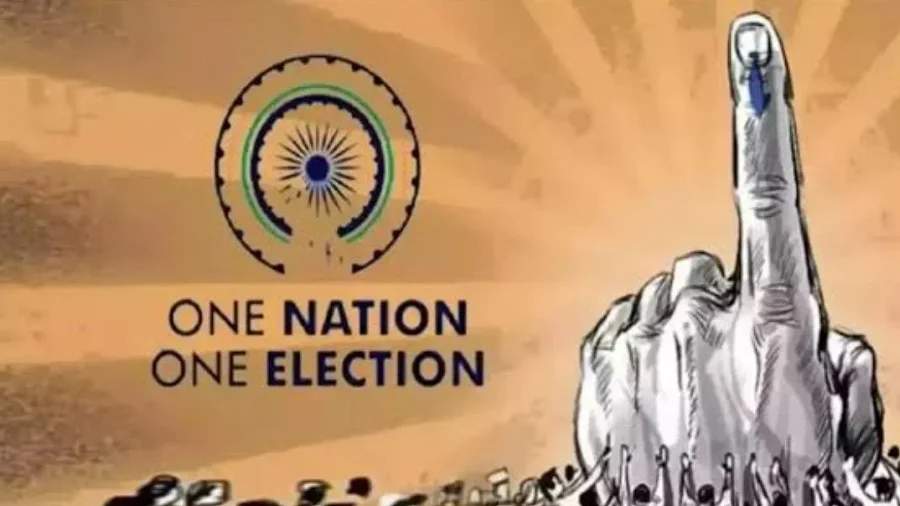

The Narendra Modi government's controversial One Nation, One Election (ONOE) proposal could be implemented by 2029, joint parliamentary committee (JPC) chairman P.P. Chaudhary said on Friday. The statement came as Opposition parties stepped up their criticism, warning that the move would erode federalism and weaken regional parties.
JPC Chairman Confirms ONOE Timeline
Speaking to reporters on the sidelines of the JPC's two-day meeting in Goa, Chaudhary said the panel was consulting stakeholders across the country to build consensus on the proposed electoral reform. He claimed that nearly 99 per cent of the civil society groups consulted so far had backed the idea.
According to The Hindu, Chaudhary dismissed fears of voter confusion over simultaneous polls, calling them "misplaced." He argued that simultaneous elections are in the national interest, not in any political interest.
Opposition Parties Push Back Hard
Representatives of the Congress, Goa Forward Party (GFP) and Aam Aadmi Party (AAP) appeared before the panel and strongly opposed the proposal. While Opposition leaders described the plan as a threat to India's federal structure, they also warned that even some allies of the ruling BJP are worried about a potential wipeout of regional parties.
"This move will erode federalism and weaken regional parties." — Opposition leaders, as reported by ETGovernment
The Opposition argues that holding simultaneous elections for the Lok Sabha and state assemblies would give an unfair advantage to national parties like the BJP, which have greater resources and name recognition. Regional parties fear they would be squeezed out of the political landscape.
What ONOE Means for Indian Democracy
The One Nation, One Election proposal aims to synchronize the electoral cycles of the Lok Sabha and all state legislative assemblies. Currently, elections are held at different times across the country, leading to frequent campaigning and high costs. The government argues that ONOE would reduce election expenses, improve governance, and ensure policy continuity.
However, critics say the plan is impractical and unconstitutional. They point out that it would require multiple amendments to the Constitution and could lead to a situation where a government falls mid-term, forcing fresh elections that break the cycle.
Our Take: A Divisive Proposal with High Stakes
In our view, the ONOE proposal is one of the most consequential electoral reforms India has ever debated. While the idea of reducing election frequency and costs sounds appealing on paper, the practical and political challenges are enormous. The fact that even some BJP allies are reportedly worried about a regional party wipeout shows that this is not just an Opposition talking point.
To put it plainly, the government needs to build genuine consensus rather than pushing through a reform that could fundamentally alter India's democratic fabric. The JPC's claim of 99 per cent civil society support seems hard to believe given the strong opposition from multiple political parties. If ONOE is implemented without broad agreement, it could deepen political polarization rather than streamline governance.
For now, the timeline of 2029 gives all sides time to debate and negotiate. But the clock is ticking, and the stakes for India's federal democracy could not be higher.