

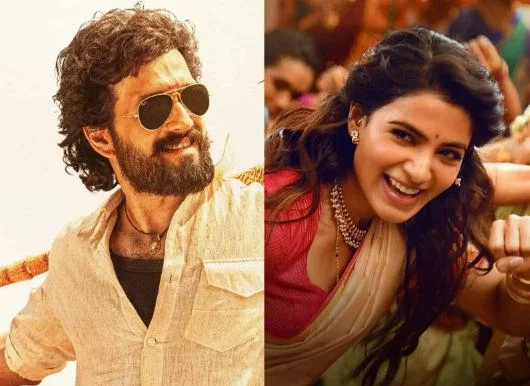

The Rayalaseema dialect, once limited to stereotypical and often negative roles in Telugu cinema, is experiencing a powerful resurgence. This latest trend is reshaping how filmmakers approach storytelling, bringing a new level of authenticity to the screen.
Rayalaseema Dialect: From Stereotype to Strength
For years, the Rayalaseema dialect was mostly heard in films featuring violent or rustic characters. It was a shortcut to show a certain type of person — often a villain or a rough hero. But that is changing. According to the original story, the dialect is now being used in more nuanced and positive ways. Filmmakers are realizing its potential to add real depth to characters and settings.
This shift is not just about language. It reflects a broader move in Telugu cinema towards more authentic regional representation. Instead of relying on old clichés, directors are now using the dialect to ground their stories in a specific cultural reality. This makes the films feel more real and relatable to audiences, especially those from the Rayalaseema region.
Why This Trend Matters for Telugu Cinema
The comeback of the Rayalaseema dialect is a sign of maturity in the industry. It shows that Telugu cinema is moving beyond tired formulas. By embracing regional dialects, filmmakers are telling stories that are more diverse and inclusive. This trend also opens up new opportunities for actors and writers who are fluent in the dialect, allowing them to bring their authentic voices to the screen.
For viewers, this means richer and more varied cinematic experiences. The dialect is no longer a punchline or a mark of a one-dimensional character. Instead, it is becoming a tool for powerful, grounded storytelling. This is a positive development for anyone who loves good cinema.
Our Take: A Welcome Change for Authentic Storytelling
In our view, this trend is long overdue. For too long, regional dialects in Indian cinema were either ignored or used as a gimmick. The Rayalaseema dialect's revival is a step in the right direction. It proves that audiences are hungry for authenticity, not just spectacle. We believe this will encourage more filmmakers to explore the rich linguistic and cultural diversity of Andhra Pradesh and Telangana. The result will be a more vibrant and honest Telugu cinema.