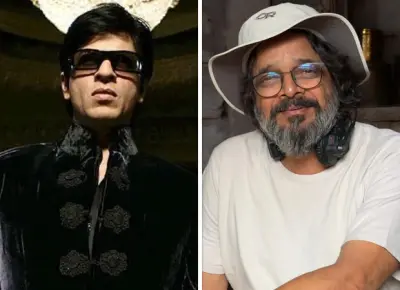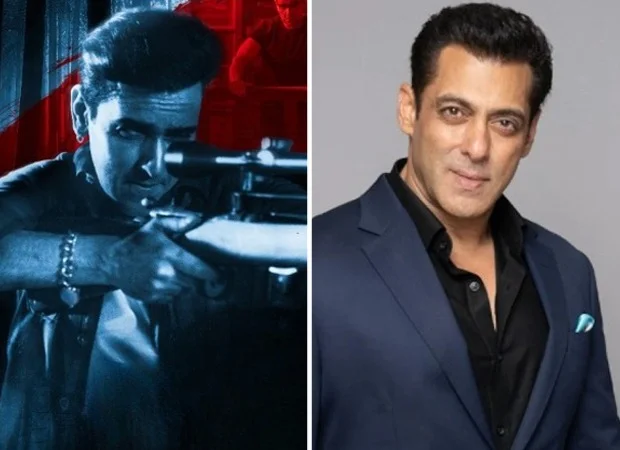

Film producer Amit Jani has approached the Supreme Court to challenge the Delhi High Court's interim order that directed the makers of Kala Hiran: The Battle for Legacy to remove its teaser and other promotional material. The case revolves around allegations that the film's promotions violated actor Salman Khan's personality rights.
Kala Hiran teaser controversy and Salman Khan personality rights case
Jani, who is producing the film under Jani FireFox Films, has challenged the High Court's July 27 order. The controversy began after the teaser of Kala Hiran was released on July 17 and drew attention for its apparent references to Salman's ongoing blackbuck poaching case.
According to The Times of India, Jani's appeal argues that the High Court restrained the teaser without identifying the specific actionable use through which Salman's persona was allegedly appropriated or commercially exploited.
Producer's legal argument in Supreme Court appeal
The Supreme Court appeal comes after the Delhi High Court ordered the removal of the teaser and directed platforms to take down promotional content related to the film. The High Court also reportedly ordered the removal of Amit Jani's interviews connected to the film's promotion.
As reported by LiveMint, the producer has moved the apex court against the Delhi HC order in the ongoing teaser row.
"Amit Jani has moved the Supreme Court against a Delhi HC order that removed the film's teaser and promotional content over Salman Khan's personality rights." — Facebook News Post
What this means for the Kala Hiran film release
The legal battle has put the film's promotional campaign on hold. The Delhi High Court's interim order required the makers to take down the teaser and other promotional material while the personality rights case against Salman Khan proceeds.
According to Gulf News, the producer's move to the Supreme Court is the latest development in the personality rights dispute.
Our Take: A test for personality rights and creative freedom
This case raises an important question that goes beyond one film. Personality rights protect celebrities from having their image or identity used without permission for commercial gain. But where does that protection end and creative expression begin?
To put it plainly, the producer's argument has merit — the High Court ordered the removal of the teaser without clearly explaining what specific part of the content violated Salman's personality rights. If courts issue broad orders without precise reasoning, it could set a worrying precedent for filmmakers who want to reference real events or public figures in their work.
At the same time, celebrities have a legitimate right to control how their persona is used. The Supreme Court will now have to balance these competing interests. This case could become an important reference point for how Indian courts handle personality rights in the entertainment industry.
For now, the film's promotional plans remain uncertain, and the industry will be watching closely to see how the Supreme Court responds to Jani's challenge.