
Summary
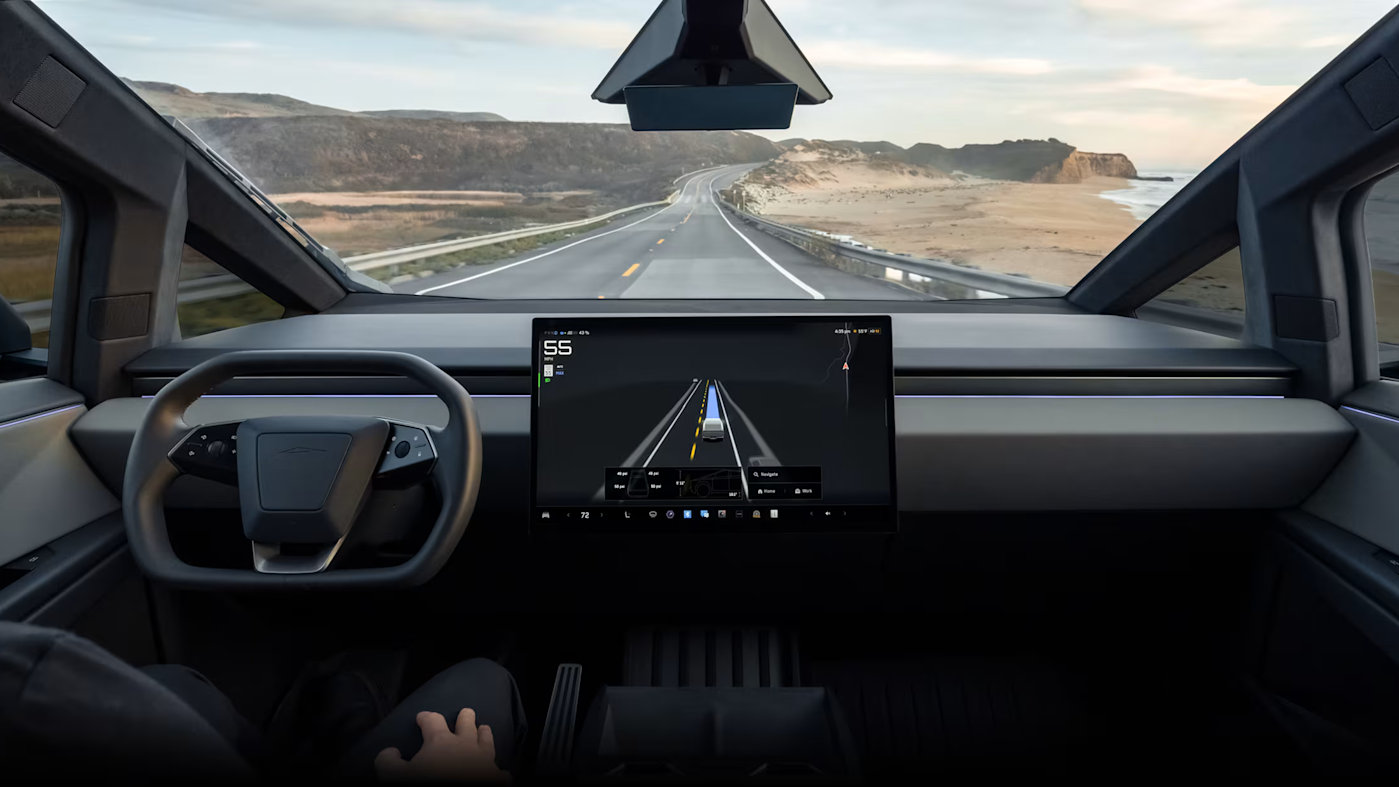
Tesla has officially received permission to launch its Full Self-Driving (Supervised) software in the Netherlands. This marks the first time the advanced driver assistance system has been approved for use in a European country. The decision comes after a long period of testing and evaluation by Dutch vehicle authorities. This move is a major step for Tesla as it tries to bring its automated driving technology to more drivers across the globe.
Main Impact
The approval in the Netherlands is a significant win for Tesla. For years, the company has mostly offered its most advanced driving features to customers in North America. By gaining a foothold in the Netherlands, Tesla now has a clear path to enter the wider European market. This development is important because the Netherlands often serves as a gateway for vehicle regulations in Europe. If the system works well there, it is much more likely to be accepted by other countries in the European Union.
Key Details
What Happened
The RDW, which is the national vehicle authority in the Netherlands, gave Tesla what is known as "type approval." This means the software has met the necessary safety and technical standards required by the government. The RDW spent more than 18 months looking at how the system performs. They tested the software on private tracks and on actual public roads to see how it handles real-world traffic. After this long study, the agency decided that the software could actually help make roads safer.
Important Numbers and Facts
The testing process lasted for over a year and a half. During this time, experts checked how the car reacts to different driving situations. It is important to note that while the name includes the words "Full Self-Driving," the system is still considered Level 2 automation. This means the car can steer, brake, and accelerate on its own, but a human must be in the driver’s seat at all times. The driver must keep their eyes on the road and be ready to take over the steering wheel instantly if something goes wrong.
Background and Context
Tesla has been talking about bringing its Full Self-Driving (FSD) technology to Europe and China for a long time. In late 2024, the company shared a plan that suggested the software would be ready for these regions by early 2025. However, European laws regarding car safety are very strict. Regulators in Europe want to be sure that automated systems do not cause accidents or confuse other drivers. The Netherlands is known for being forward-thinking with electric vehicles and new technology, which is likely why it became the starting point for this rollout.
Public or Industry Reaction
The reaction to this news has been a mix of excitement and caution. Tesla fans and owners in Europe are happy to finally get access to features that have been available in the United States for years. They believe it will make long trips less tiring. On the other hand, safety groups and some government agencies remain worried. In the United States, the National Highway Traffic Safety Administration (NHTSA) is currently looking into several accidents involving Tesla’s driving software. These investigations focus on how the cars perform when it is hard to see, such as in heavy fog or bright sunlight. Because of these concerns, the Dutch RDW was very clear in stating that the driver is still the person in charge of the vehicle.
What This Means Going Forward
Now that the Netherlands has given its approval, Tesla will likely start sending out software updates to car owners in that country. Once the system is running smoothly, Tesla will use the data from Dutch roads to show other European regulators that the software is safe. This could lead to a domino effect where Germany, France, and other neighbors allow the technology as well. However, Tesla will still need to follow specific local laws in each country. The company also faces the challenge of proving that its camera-only system can handle the narrow, crowded streets often found in older European cities.
Final Take
Tesla’s arrival in the Netherlands with its supervised driving software is a turning point for the company’s international growth. While the technology is not yet fully autonomous, it represents a shift in how European regulators view advanced AI in cars. The success of this launch will depend on how well drivers follow the rules and how the software handles the unique challenges of European traffic. For now, the focus remains on safety and ensuring that technology assists the driver rather than replacing them entirely.
Frequently Asked Questions
Can the car drive itself without a person?
No. Even with this approval, the system is "supervised." This means a human driver must stay alert, keep their hands near the wheel, and be ready to take control at any moment.
Will this software be available in other European countries?
The approval in the Netherlands makes it much easier for other European Union countries to allow the software in the future, but each region may still have its own specific rules to follow.
Is the software safe to use in bad weather?
While the Dutch authorities believe the system contributes to safety, there are ongoing investigations in the U.S. regarding how the software performs in low-visibility conditions like fog or glare. Drivers should always be extra careful in poor weather.