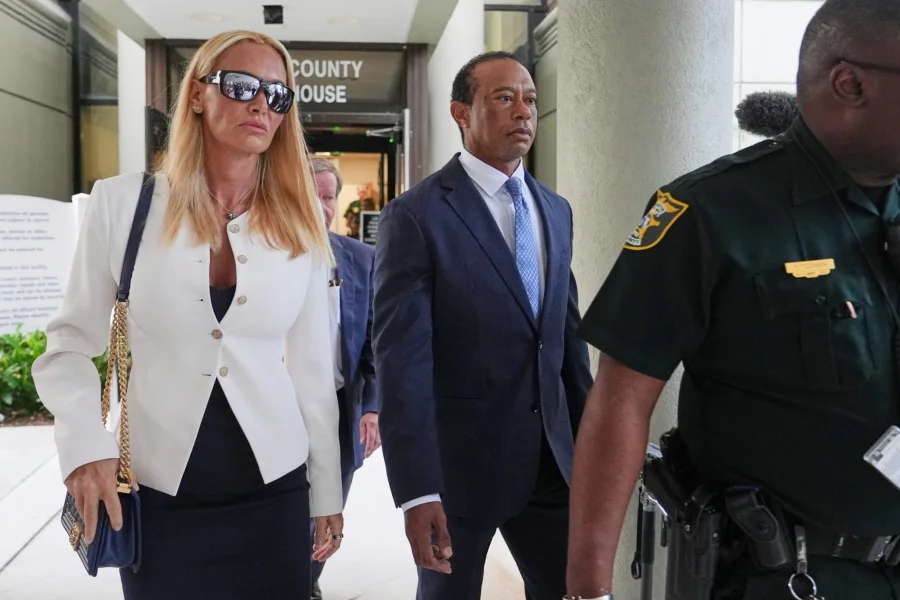

Tiger Woods pleaded no contest to a reckless driving charge on Wednesday, and his driver's license was suspended for five years. The plea stems from a March rollover crash in Florida, where he was initially accused of driving under the influence.
The crash happened on a beachside residential road near his home on Jupiter Island. According to the original story, his SUV clipped a truck and rolled over on its side. A sheriff's report detailed the incident, which led to the charges against the golf star.
Woods' Legal Case and the March Crash
The reckless driving charge came after authorities investigated the March accident. Woods was initially accused of driving under the influence, but the charge was reduced to reckless driving as part of the plea agreement. The five-year license suspension is a direct result of this plea.
The original story notes that Woods is "still one of golf's most influential figures and as recognizable as any athlete in the world." However, the report also highlights his recent struggles, describing "a remarkable fall since winning the 2019 Masters for his 15th major."
Career Setbacks and Personal Challenges
The story places this legal trouble within a broader pattern of difficulties for Woods. He was the first person of Black heritage to win the Masters in 1997, a historic achievement in the sport. Since then, his career has faced multiple obstacles.
According to the original story, his career "has been derailed by multiple back and knee surgeries, car crashes and dependence on pain medication." These factors have contributed to his recent challenges both on and off the course.
What This Means for Woods Going Forward
The five-year license suspension is a significant penalty that will affect his daily life. While the plea resolves the criminal case, it adds another chapter to a difficult period for the athlete.
The original story does not specify whether Woods will face additional consequences or how this will impact his golf career. What is clear is that this legal matter is now settled with a no-contest plea and a lengthy driving ban.
Our Take: A Serious Consequence for a Serious Incident
To put it plainly, a five-year license suspension is not a minor penalty. This is a strong message from the court that reckless driving carries real consequences, regardless of who you are. Woods' initial charge of driving under the influence was serious, and while the plea to reckless driving reduces the legal severity, the outcome still reflects the gravity of the March crash.
For Woods, this is another setback in a period marked by physical and personal struggles. The fact that he remains one of golf's most recognizable figures does not shield him from the law. This case shows that the justice system treats all drivers equally when it comes to road safety.
Readers should understand that this plea closes the legal chapter but leaves questions about what comes next for Woods. His focus may now turn to his health and his future in golf, but the five-year suspension will be a constant reminder of the consequences of that March morning.