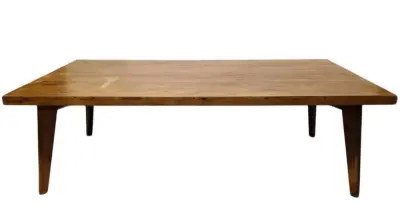
UNESCO has written to Wright Design Auction House in Chicago, asking the auction house to suspend the transfer of ownership of all eight Chandigarh heritage furniture lots — including six that were already sold for Rs 83 lakh. The move marks the first time the United Nations body has intervened in India's efforts to recover the heritage furniture.
UNESCO letter demands halt on Chandigarh heritage furniture ownership transfer
The letter is addressed to Richard Wright, President of Wright Design Auction House, Chicago, Illinois. It is signed by Krista Pikkat, Director of Culture and Emergencies at UNESCO's Culture Sector in Paris. The world body has asked the auction house to hold off on transferring ownership pending verification of the furniture's provenance and the legality of its export from India.
According to The Tribune Chandigarh, six of the eight Pierre Jeanneret-designed Chandigarh heritage furniture lots went under the hammer at Wright Design Auction House in Chicago. The auction took place on August 13.
What this means for India's heritage recovery efforts
The UNESCO intervention significantly strengthens India's position in recovering the furniture. The auction house has now been formally asked by an international body to pause the transfer process until the ownership and export legality questions are resolved.
The request covers all eight lots, not just the six that were already sold. This means the auction house must hold off on completing the sale process for the remaining lots as well, while the verification is underway.
"The world body has asked the auction house to suspend the transfer of ownership of all eight Chandigarh heritage lots — including the six already sold for Rs 83 lakh — pending verification of their provenance and the legality of their export from India." — The Tribune Chandigarh
Our Take: A significant step for cultural property protection
This is a meaningful development for India's efforts to bring back its heritage furniture. UNESCO stepping in sends a clear signal that the international community takes the issue of illegally exported cultural property seriously.
To put it plainly, the auction house now faces pressure from a global authority, not just from India. This could make a real difference in how the situation unfolds. The verification process will determine whether the furniture was legally exported from India in the first place.
For readers, this story matters because it shows how international bodies can play a role in protecting cultural heritage. It also highlights the ongoing challenges countries face when heritage items end up in foreign auctions. The outcome of this case could set a precedent for similar disputes in the future.