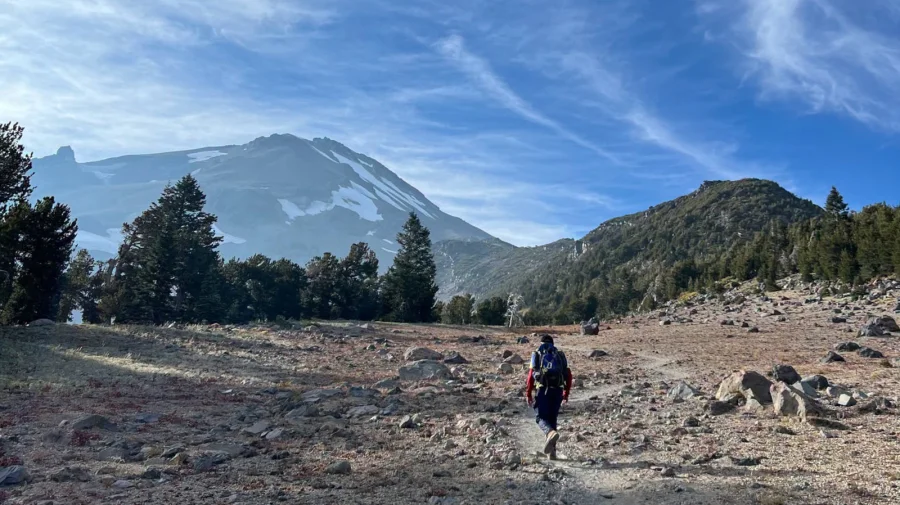

A group of climbers learned a hard lesson about trusting artificial intelligence with life-or-death decisions. According to the original story, Gemini — Google's AI assistant — reportedly told the climbers that climbing Mt. Shasta would only take eight hours. The reality was far different. The group had to be rescued more than a day later.
What Happened on Mt. Shasta
The climbers reportedly used Gemini to plan their mountain climb. The AI gave them a dangerously wrong estimate — eight hours for a climb that turned out to be far more demanding. When the group could not complete the climb as planned, they needed rescue teams to bring them to safety more than a day after they started.
This incident is a clear warning: AI tools can generate confident answers, but they are not built to assess real-world risks like weather, terrain, or physical endurance. A mountain climb is not a simple calculation — it involves unpredictable conditions that no algorithm can fully predict.
Why AI Fails at High-Risk Planning
AI models like Gemini work by predicting patterns from data. They are excellent at drafting emails, summarizing documents, or answering general questions. But when it comes to planning something that could put your life at risk, the stakes are completely different.
An eight-hour estimate for a climb like Mt. Shasta shows how AI can present false certainty. It does not know the climbers' fitness levels, the weather on that specific day, or the condition of the trail. It simply generates an answer that sounds reasonable — and that can be dangerous.
To put it plainly: AI does not experience the world. It does not feel fatigue, cold, or fear. It cannot look at a mountain and understand what the climb will really demand. When you ask it for a plan that involves your safety, you are trusting a machine that has no stake in the outcome.
The Real Lesson for AI Users
This story is not just about one group of climbers. It is a public service announcement for anyone who might be tempted to use AI for high-risk planning.
- Do not use AI to plan activities that could put your life at risk — like mountain climbs, backcountry hikes, or extreme sports.
- AI can provide general information, but it cannot assess real-time conditions or your personal limits.
- Always consult experienced humans, official guides, and reliable sources for any plan that involves danger.
- If an AI gives you a surprisingly short or easy estimate for a difficult task, treat it with suspicion — not confidence.
The climbers on Mt. Shasta are safe now, but the situation could have ended far worse. Their experience is a reminder that AI is a tool — not a guide for survival.
Our Take: AI Is Helpful, But Not for Everything
In our view, this incident highlights a growing problem with how people use AI. These tools are impressive, and they can save time on many everyday tasks. But they are not a substitute for human judgment, especially when lives are on the line.
The danger is that AI sounds so confident. When Gemini says a climb will take eight hours, it says so without hesitation. That confidence can fool people into making poor decisions. The climbers likely trusted the AI because it gave a clear, specific answer — but that answer was dangerously wrong.
What should readers take away from this? Simple: use AI for convenience, not for safety. If you are planning something that could hurt you or others, rely on people who have real experience and knowledge. Check official sources, talk to experts, and prepare for the worst — not for the easiest possible outcome.
AI is a powerful tool, but it is not a lifeline. The climbers on Mt. Shasta found that out the hard way. You do not have to make the same mistake.