
The tension between the Trump administration's AI czar and one of the biggest AI companies just went public. David Sacks says Anthropic CEO Dario Amodei wants a 'DMV for AI' — a reference to the slow, bureaucratic motor vehicle department — and he's pushing back on that vision.
The dispute centers on how much regulation AI companies should face. Sacks, who serves as President Donald Trump's AI and crypto czar, has been critical of Anthropic's policy positions. He argues that safety regulation doesn't have to kill innovation, and he points to other industries as proof.
Anthropic CEO Responds to Sacks' Criticism
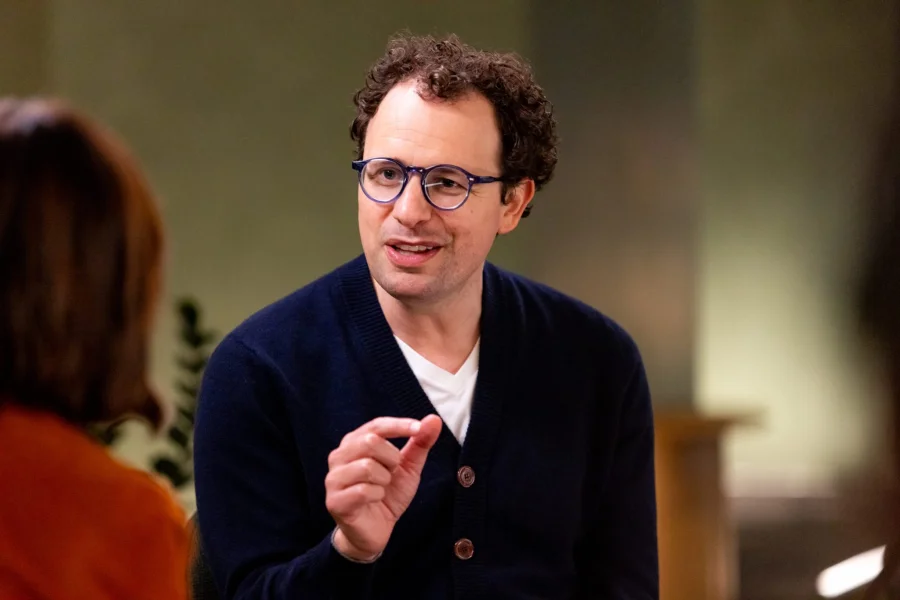
Dario Amodei didn't stay silent. According to CNBC, the Anthropic CEO released a statement addressing what he called "inaccurate claims" about the AI startup's policy stances. The company has faced repeated criticism from Sacks in recent days.
Amodei tried to find common ground. "I fully believe that Anthropic, the administration, and leaders across the political spectrum want the same thing," he said, as reported by CNBC.
"I fully believe that Anthropic, the administration, and leaders across the political spectrum want the same thing." — Dario Amodei, via CNBC
The 'DMV for AI' Debate: Regulation vs. Innovation
Sacks' 'DMV for AI' comment is a direct jab at what he sees as over-regulation. His argument is simple: plenty of industries operate under strict safety rules and still grow. The DMV is famously slow and frustrating — and Sacks doesn't want AI to end up in the same boat.
The disagreement isn't just about tone. It's about how much oversight AI companies should accept. Amodei has pushed for safety testing and guardrails, while Sacks appears to favor a lighter touch that lets companies move faster.
This isn't the first clash between the two. According to The Times of India, Sacks has also weighed in on Amodei's comments about Chinese open-weights models — showing the two have fundamental disagreements on AI policy beyond just domestic regulation.
What's at Stake for the AI Industry
This public fight matters because it sets the tone for AI policy in the U.S. If Sacks gets his way, AI companies could face fewer hurdles. If Amodei's approach wins, expect more safety testing and oversight before models hit the market.
The stakes are high. AI is one of the fastest-growing industries in the world, and how it's regulated will shape everything from job markets to national security. Both sides say they want the same end result — safe, useful AI — but they disagree on how to get there.
Our Take: Safety Rules Don't Have to Stifle Growth
To put it plainly, Sacks has a point worth hearing. The DMV analogy is harsh, but it captures a real fear: that regulation could slow AI down to a crawl. And he's right that many industries — aviation, pharmaceuticals, food safety — thrive under strict oversight.
But Amodei's position isn't unreasonable either. AI is powerful, and getting it wrong could have serious consequences. The question isn't whether to regulate — it's how much and how fast.
In our view, the best outcome is somewhere in the middle. Smart, targeted safety rules that don't bury companies in paperwork. The 'DMV for AI' is a warning, not a prediction — and both sides should treat it that way.
The real test will come when actual policy is written. Until then, expect more public sparring between Sacks and Amodei. This is a debate that will shape the future of AI — and it's happening right now, in public view.