

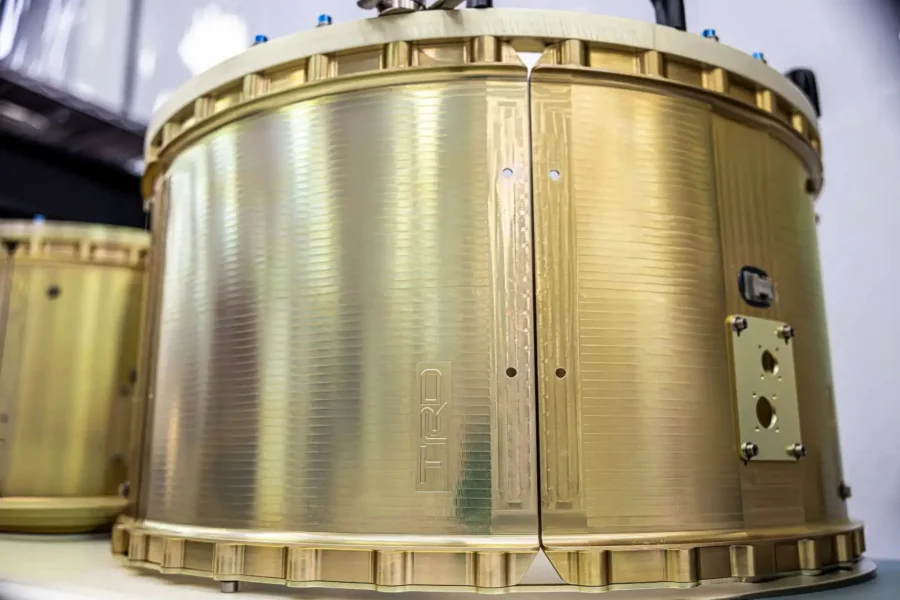

Orbits and racetracks have something fundamental in common, according to Apex and Toyota’s racing division. Both are wildly unforgiving places where hardware must survive extreme conditions with no room for error.
According to Fortune, on racetracks, cars must withstand heat, collisions, and relentless mechanical stress. Meanwhile, satellites in orbit face radiation exposure and an airless landscape—hardware must stand alone against temperature and time, with no help on the way.
The shared challenge of unforgiving environments
Jim Adler, founder and general partner at Toyota Ventures, the $251 billion automaker’s corporate early-stage venture arm, highlighted the parallels. "Orbits and racetracks are very inhospitable environments," Adler said, as reported by Fortune.
For both satellites and race cars, tiny miscalculations become calamitous. The comparison underscores how engineering for extreme conditions in space mirrors the demands of high-performance racing.
What this means for technology and innovation
The connection between Apex, a satellite company, and Toyota’s racing division suggests a cross-industry approach to solving problems. Lessons from racing—where durability and precision are critical—could inform satellite design, and vice versa.
As Adler noted, the environments are inhospitable, but the shared challenges drive innovation. Both fields require hardware that can endure without immediate support, making reliability the top priority.
Our Take: A smart comparison that highlights engineering realities
In our view, this comparison is more than a clever analogy. It points to a practical truth: extreme environments, whether in space or on a racetrack, demand the same kind of rigorous engineering. The partnership between Apex and Toyota’s racing division could lead to breakthroughs in durability and resilience. For readers, this is a reminder that innovation often comes from looking at problems through a different lens—and that the lessons from one high-stakes field can benefit another.