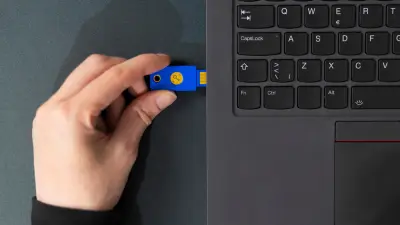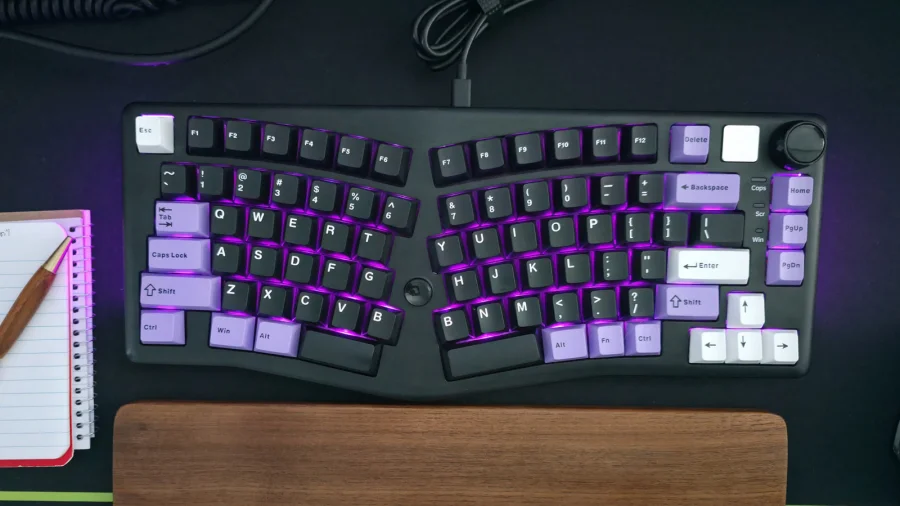

When setting up a new computer or rearranging your desk, a simple question often comes up: which USB port should you plug your mouse and keyboard into? The short answer is that almost any USB port will work fine, but there are a few tips to get the best performance and keep your setup organized.
Any USB Port Works for Most Modern PCs
For the vast majority of users, the choice of USB port does not matter much. According to Keychron, "For most modern PCs, just use any open USB port—front or back, whatever's handy." This means you can plug your mouse and keyboard into any available USB slot without worrying about performance issues.
Why USB 2.0 or Blue Ports Are Often Recommended
While any port works, some experts suggest using USB 2.0 ports (often black in color) or blue USB ports for your mouse and keyboard. The reason is simple: these devices require very little data speed. A user on Reddit noted, "Especially Mouse and Keyboard should be plugged into the Blue USB Port, other peripherals can be plugged in the Black one like USB Microphones." Similarly, a Quora user explained, "Any should work but the best choice is probably the USB 2 ports. They are plenty fast for a mouse and keyboard leaving your faster 3.0 and 3.1 ports for other devices."
This approach helps you save your faster USB 3.0 and 3.1 ports—which are often blue or teal—for more demanding devices like external hard drives, SSDs, or high-speed flash drives that actually benefit from the extra speed.
What About PS/2 Keyboards and Mice?
If you are still using older equipment, there is a special case. Keychron notes that "If you still use a PS/2 keyboard or mouse, plug those into the color-coded round ports on the back. Purple's for the keyboard, green's for the mouse." These round ports are found on some older motherboards and are designed specifically for these legacy devices.
Monitor USB Hubs: A Handy Alternative
Some modern monitors come with built-in USB hubs. According to Keychron, "Some monitors toss in a USB hub, which is handy." This can be a convenient way to connect your mouse and keyboard directly to your monitor, reducing cable clutter on your desk. However, keep in mind that these hubs may share bandwidth with the monitor's display connection, so they are best suited for low-demand devices like input peripherals.
Our Take: Keep It Simple and Save Your Fast Ports
In our view, the best advice is straightforward: do not overthink it. Plug your mouse and keyboard into any available USB port, but if you have a choice, use USB 2.0 or blue USB ports. This frees up your faster USB 3.0 and 3.1 ports for devices that actually need the speed, like external storage or high-resolution webcams. The key takeaway is that your mouse and keyboard are not demanding devices, so there is no need to waste your best ports on them. Keep your setup simple, and your computer will thank you.