
Summary
The International Atomic Energy Agency (IAEA) has expressed serious worry following reports of new attacks on Iran’s Bushehr nuclear power plant. As the world’s primary nuclear watchdog, the IAEA is calling for immediate restraint from all parties involved to prevent a catastrophic accident. The agency warns that any military action targeting a nuclear facility poses a grave threat to human life and the environment. This development marks a dangerous escalation in regional tensions and highlights the fragility of international nuclear safety rules.
Main Impact
The primary impact of these reported attacks is the immediate risk of a radiation leak. Unlike traditional military targets, a nuclear power plant contains radioactive materials that, if released, can spread across borders through air and water. An accident at the Bushehr site would not only affect Iran but could also poison the Persian Gulf and impact neighboring countries. This situation has created a sense of urgency among international leaders who fear that a single mistake could lead to a long-term environmental disaster.
Key Details
What Happened
According to reports from Iranian officials, the Bushehr nuclear facility was the target of recent strikes. While the full extent of the damage has not been publicly confirmed, the IAEA was quick to respond to the news. Rafael Grossi, the head of the IAEA, issued a statement emphasizing that nuclear power plants should never be targets in a conflict. He reminded the international community that attacking such facilities violates established global safety standards. The agency is currently seeking more information to verify the status of the plant’s safety systems and to ensure that no radioactive material has escaped.
Important Numbers and Facts
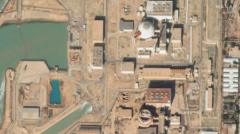
The Bushehr plant is located on Iran’s southern coast, along the Persian Gulf. It is the country’s first commercial nuclear power reactor and plays a vital role in providing electricity to millions of people. The facility was completed with help from Russia and has been operational for several years. Because it sits in a region with high shipping traffic and many desalination plants—which turn seawater into drinking water—any contamination would be a major crisis. The IAEA monitors the site regularly to ensure that the nuclear material is used only for peaceful energy production.
Background and Context
The tension surrounding Iran’s nuclear program has lasted for decades. While Iran maintains that its nuclear activities are strictly for generating electricity and medical research, other nations have expressed concern that the technology could be used to develop weapons. This distrust has led to years of sanctions, failed deals, and occasional military threats. The Bushehr plant itself has a long history, with construction starting in the 1970s before being delayed by the Iranian Revolution and the Iran-Iraq War. Today, it stands as a symbol of Iran’s technological goals, but its location makes it a sensitive spot in a volatile part of the world.
Public or Industry Reaction
The international community has reacted with alarm to the news of the attacks. Energy experts warn that the safety of nuclear plants depends on a stable power supply and constant cooling. If an attack cuts off the electricity needed to cool the reactor cores, a meltdown could occur even if the reactor itself was not directly hit. Environmental groups in the Middle East have also voiced their fears, noting that the Persian Gulf is a closed sea where pollution lingers for a long time. Many diplomatic leaders are calling for a "no-fire zone" around all nuclear facilities to ensure that the conflict does not turn into a nuclear nightmare.
What This Means Going Forward
Moving forward, the IAEA will likely push for more frequent inspections and better communication between the parties involved. There is a strong possibility that international bodies will demand new security guarantees for nuclear sites in conflict zones. If the attacks continue, it could lead to a total shutdown of the Bushehr plant to prevent a disaster, which would cause massive power outages across Iran. Furthermore, this event might force a rewrite of international laws regarding how nuclear sites are protected during wartime. The risk of a "dirty bomb" effect—where conventional explosives spread radioactive material—remains a top concern for security agencies worldwide.
Final Take
The reported attacks on the Bushehr nuclear plant serve as a stark reminder that nuclear energy requires absolute stability to remain safe. When conflict enters the gates of a nuclear facility, the danger extends far beyond the battlefield. Protecting these sites is a shared global responsibility because the consequences of a failure would be felt by people hundreds of miles away. The world now waits to see if diplomacy can restore safety to the region before a preventable tragedy occurs.
Frequently Asked Questions
What is the IAEA?
The IAEA stands for the International Atomic Energy Agency. It is an international organization that works to promote the safe and peaceful use of nuclear energy while preventing the spread of nuclear weapons.
Why is the Bushehr plant so important?
Bushehr is Iran’s first and largest nuclear power plant. It provides a significant amount of electricity to the country’s power grid and is a major part of Iran’s energy infrastructure.
What happens if a nuclear plant is damaged?
If the cooling systems or the containment structure of a nuclear plant are damaged, it can lead to a meltdown. This releases dangerous radiation into the air and water, which can cause health problems and environmental damage for many years.