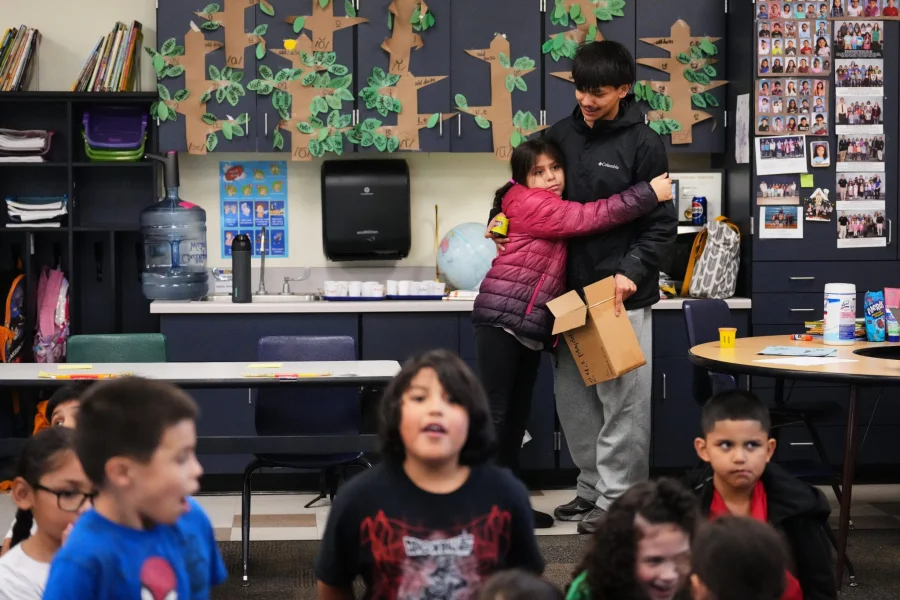

During his senior year of high school on the Puyallup Reservation, Gerald Dillon made a choice that changed his path. He traded much of his academic coursework for career training. When he walked into the second grade classroom where he worked as a teaching assistant, students would rush from their seats for a fist bump or a hug.
The 18-year-old, who once found classes boring and put in only enough effort to pass, found renewed purpose to come to school every day.
How career training changed a student’s outlook
“It motivates me. I like making connections with the kids, I like helping them,” Dillon said.
It began in his junior year when he enrolled in career training courses. Soon, Dillon said, his grades improved. He graduated in June from Chief Leschi Schools in Washington and is now considering going to college for a teaching degree.
Our Take: The real lesson in valuing trades
This story is a clear example of how career-focused education can reignite a student’s motivation. Dillon’s experience shows that when schools offer practical, hands-on training, students who feel disconnected from traditional academics can find a reason to engage. The headline points to a deeper issue: we have devalued the trades. Dillon’s success is a reminder that not every student thrives in a standard classroom setting. By providing alternative paths, schools can help students discover their potential and build a future. This is not just a graduation story—it is a call to rethink how we measure success in education.