

Summary
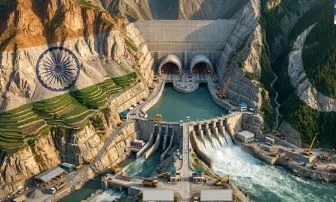
Residents in the Lahaul region are raising strong objections to the proposed Chenab-Beas tunnel project. This massive hydro power project is expected to cost around Rs 2,356 crore. The plan involves moving water from the Chandra River into the Beas River to generate electricity. Local groups, led by the Save Lahaul Society, argue that the project will cause permanent damage to the delicate environment. They are calling on the government to stop the project to protect the safety and future of the people living in the area.
Main Impact
The primary concern regarding this project is the risk of a natural disaster. The mountains in this part of the Himalayas are not very stable. Experts and locals say that digging large tunnels and changing the path of a major river could trigger massive landslides. This would not only hurt the Lahaul valley but could also cause flooding and soil erosion in other areas. The impact would be felt far beyond the project site, affecting districts like Kullu, Mandi, and Kangra, and even reaching the state of Punjab.
Key Details
What Happened
The Save Lahaul Society recently held a meeting to discuss the government’s plan for the Chenab-Beas tunnel. The president of the society, BS Rana, spoke out against the project, stating that it could be "disastrous" for the entire region. The group is particularly upset about reports suggesting the project is being built as a political move. Some reports indicate that the project is a way for India to use more water as a response to security issues and terrorism coming from Pakistan. The local community believes that using nature as a tool for political or military strategy is a mistake.
Important Numbers and Facts
The project is a significant engineering task with several key figures attached to it:
- Total Cost: The estimated budget for the project is Rs 2,356 crore.
- Power Generation: The project is designed to produce 4,000 MW of electricity.
- Water Diversion: Water from the Chandra River will be sent through a tunnel into the Beas River.
- Affected Areas: The project could impact five major regions, including Lahaul, Kullu, Mandi, Kangra, and parts of Punjab.
- Recent History: The land in the Pir Panjal range has shown increased signs of soil erosion and landslides over the last four years.
Background and Context
The mountains in Himachal Pradesh are part of a young mountain range. This means the rocks and soil are often loose and move easily. In recent years, the state has seen many floods and landslides that have destroyed homes and roads. Because of this, people living in these areas are very nervous about any big construction projects. They feel that the ground cannot handle more heavy drilling or the weight of large dams and tunnels.
There is also a political side to this story. India and Pakistan share several rivers under an old agreement. Sometimes, India looks for ways to use more of its share of the water for power and farming. While this might help the country’s energy needs or serve as a message to neighboring countries, the people living near the rivers feel they are the ones who will pay the price if something goes wrong with the environment.
Public or Industry Reaction
The Save Lahaul Society has been very vocal in its opposition. BS Rana stated that the group deeply disagrees with the current model of development. He argued that building things without thinking about the environment is a dangerous path. He called the idea of using a hydro project to answer terrorism "immature." The society has warned that if the government does not listen to their concerns, the residents will have no choice but to start a large protest or agitation. They believe that protecting the natural world is just as important as protecting national borders.
What This Means Going Forward
If the government continues with the project, there could be a long period of tension in the region. Local protests can slow down construction and lead to legal battles in court. On the environmental side, if the project is built and the land proves to be too weak, the cost of repairs and the loss of life from potential landslides could be much higher than the value of the electricity produced. The government will need to decide if the 4,000 MW of power is worth the risk to the local population and the natural surroundings.
Final Take
The conflict over the Chenab-Beas tunnel shows the difficult balance between national energy goals and local safety. While the country needs more power and wants to secure its water rights, the people of Lahaul are reminding leaders that nature has limits. Forcing a massive project onto a fragile area could lead to a tragedy that no amount of electricity can fix. The government must now choose between pushing ahead or finding a safer way to meet its goals.
Frequently Asked Questions
Why are locals against the Chenab-Beas tunnel project?
Locals fear the project will cause environmental disasters like landslides and floods. They believe the mountains in the area are too fragile for such a large construction project.
How much power is the project expected to produce?
The project is designed to generate 4,000 MW of electricity by diverting water from the Chandra River to the Beas River.
What is the political reason behind this project?
Reports suggest the project is partly a response to security issues with Pakistan. By building the tunnel, India can use more of its river water for its own needs instead of letting it flow downstream.