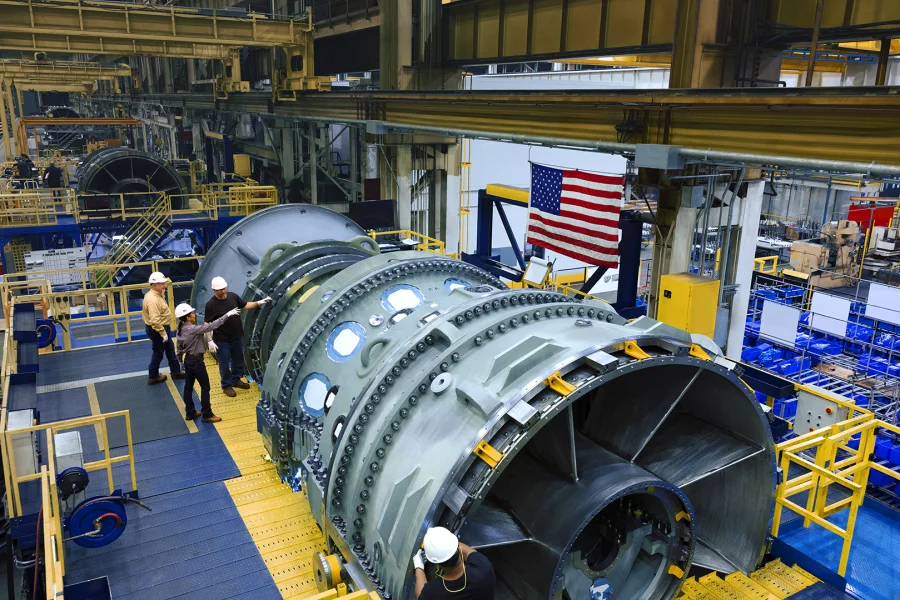

Chevron is moving beyond oil and gas production to become the AI leader of Big Oil, thanks to a massive new deal with Microsoft. The project, called Project Kilby, will dedicate gas-fired electricity to power Microsoft data centers in rural West Texas.
The location is Reeves County, a barren and arid part of West Texas with about 4,000 households spread over 2,600 square miles. Soon, that county will host enough gas-fired electricity to power more than 2 million homes — but all of that power will go to Microsoft data centers instead.
Project Kilby: Chevron's First Big AI Hyperscaler Deal
Chevron sees Project Kilby as just the beginning. Jeff Gustavson, president of Chevron New Energies, told Fortune that the company considers this the first of potentially several massive AI hyperscaler deals. These deals will span West Texas and other gas-rich regions, including the Rockies and the Midwest.
The project is slated to come online in 2028 and ramp up through 2031. The name "Kilby" is a fitting homage to Texas Instruments, the semiconductor company that helped shape the region's tech history.
What This Means for Big Oil and AI
This deal positions Chevron as the booming AI leader among traditional oil companies. Instead of just selling fuel, Chevron is now selling power to the tech industry's fastest-growing need: data centers that run artificial intelligence.
For a county with only a few thousand households, hosting power for millions of homes is a dramatic shift. The electricity will not serve local residents — it is dedicated entirely to Microsoft's computing infrastructure.
"Chevron considers Kilby as the first of potentially several massive AI hyperscaler deals that will span West Texas and other gas-laden regions." — Jeff Gustavson, Chevron New Energies president, via Fortune
Our Take: A Smart Pivot for an Oil Giant
To put it plainly, Chevron is doing something smart here. The world's biggest oil companies are under pressure to adapt as energy demand shifts. By partnering with Microsoft, Chevron is turning its natural gas resources into a direct pipeline to the AI boom.
This is not just a side project. The scale — power for 2 million homes dedicated to one customer — shows Chevron is serious about becoming a major player in the AI energy market. The company is betting that hyperscalers like Microsoft will need enormous amounts of reliable power for years to come.
For readers, this deal signals something important: the AI revolution is not just about software. It is about energy. And the companies that control that energy — even traditional oil giants — are positioning themselves to profit from it.
Whether this works will depend on execution. Building gas-fired power plants in remote West Texas and connecting them to data centers is a massive engineering challenge. But if Chevron pulls it off, it will have transformed itself from an oil company into an AI infrastructure powerhouse.