
Delhi University offers only 7,000 hostel seats to roughly 3.5 lakh outstation students who need housing. That means the vast majority of students from outside Delhi cannot get a place in a university hostel and must look for private accommodation instead.
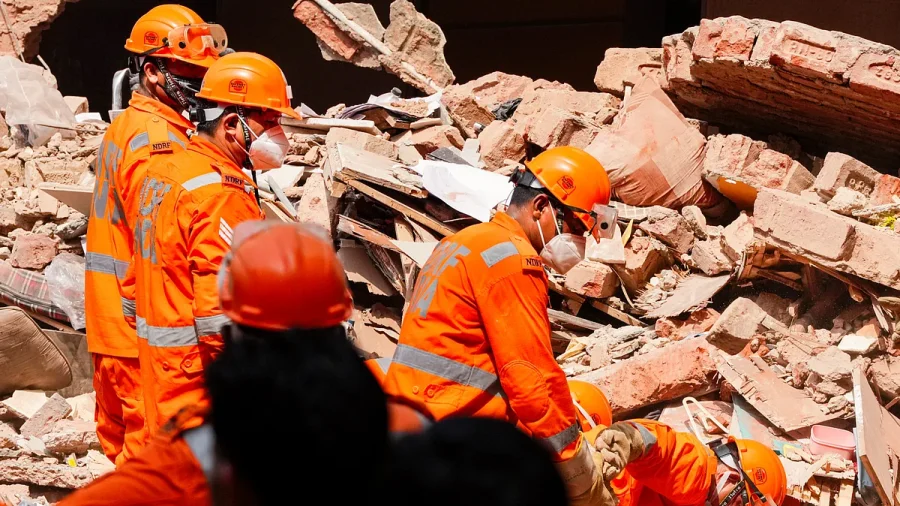
The huge gap between supply and demand has become a serious safety issue. The problem came into sharp focus after a four-storeyed house in south Delhi collapsed, burying an estimated 30-40 students who were living in paying guest accommodation. The death toll has reached seven and is still counting.
Why the Hostel Shortage in Delhi University Matters
The numbers tell a clear story. With 7,000 hostel seats available for 3.5 lakh outstation students, only about 2 percent of those students can get a university hostel bed. The rest must find rooms in private PG accommodations across the city.
These private arrangements are often unregulated and unsafe. The collapse in south Delhi shows what can go wrong when students have no choice but to live in poorly maintained buildings. The tragedy has forced a direct question about responsibility and planning.
Political Response to the Student Housing Crisis
NSUI (National Students' Union of India) activists raised the issue the day after the collapse. They pointed to a contrast: the Bharatiya Janata Party has built new offices across the country over the last 10 years, but the BJP government has not built 100 hostels for students in Delhi during the same period.
The comparison was made on the day Union home minister Amit Shah was inaugurating the new BJP office in Panjim, Goa. The timing highlighted the gap between political infrastructure spending and student welfare.
"If the BJP could build a brand-new office in every district in the country during the last 10 years, why has the BJP government failed to build 100 hostels for students in Delhi during this period?" — NSUI activists
Prime Minister Narendra Modi attended the centenary celebrations of Shri Ram College of Commerce and released a commemorative coin worth Rs 100. The event drew attention to the university's prestige, even as basic housing for its students remains critically short.
Our Take: Hostel Shortage Is a Safety Issue, Not Just Convenience
To put it plainly, this is not just about comfort or convenience. When a university cannot house its students, it pushes young people into unregulated buildings that can kill them. The south Delhi collapse is not an isolated accident — it is the predictable result of a policy failure.
In our view, the numbers expose a clear priority problem. Building political offices appears to take precedence over building safe student housing. The university and the government must treat hostel construction as urgent infrastructure work, not a long-term wish list.
Seven deaths and counting is already too high a price. Until Delhi University can offer safe accommodation to a meaningful share of its 3.5 lakh outstation students, more families will be taking an unacceptable risk when they send their children to study in the capital.