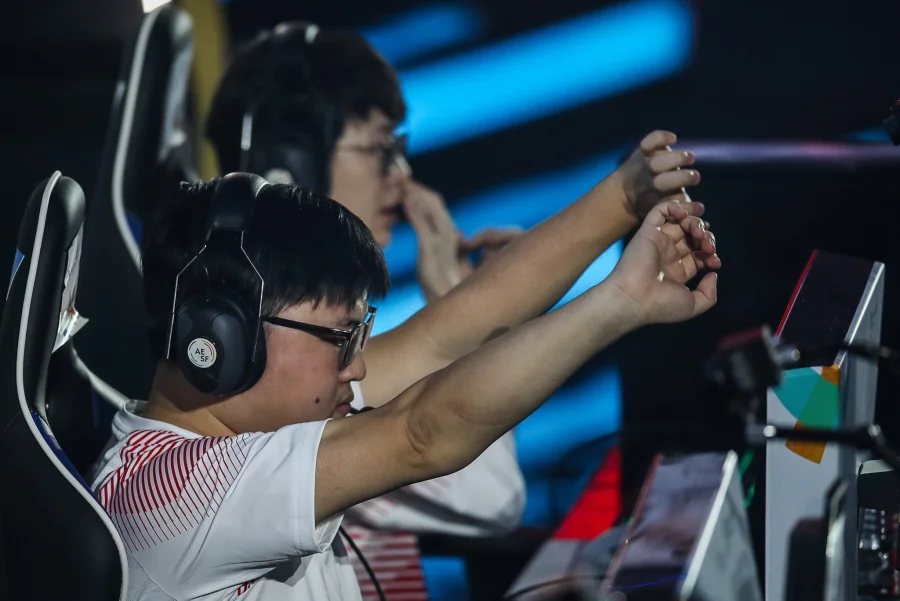

Jian "Uzi" Zi-hao was not just another professional "League of Legends" player. He was the kind of talent a team builds everything around. His squad funneled resources to him and teammate Shi "Ming" Sen-Ming so the duo could carry matches to victory. Over his career, he pulled in more than $500,000 in tournament prize money.
But in 2020, Uzi announced his retirement. The reason was not a lack of skill or a better offer elsewhere. It was chronic wrist and arm injuries. He was 25 years old.
Why Esports Stars Face Physical Breakdowns
Video games carry a reputation for keeping people glued to the couch. For casual players, that might be true. But for those competing against the best in the world, gaming takes a surprising physical and mental toll.
The strain of "climbing the ladder" — the grind of ranked play and constant practice — wears down the body in ways outsiders rarely see. Repetitive mouse movements, unnatural wrist angles, and long hours of intense focus add up over time.
Uzi's case is a clear example. He earned a fortune by gaming, yet his body gave out before he turned 26. His retirement sent a message across the esports industry: talent alone is not enough if the body cannot hold up.
Teams Respond With Sports-Medicine Staffs
Uzi's story is part of a larger injury crisis in esports. As more players face career-ending physical problems, organizations are changing how they operate. Teams are now building sports-medicine staffs to keep players healthy and extend their careers.
This marks a shift in thinking. In traditional sports, medical teams, physiotherapists, and trainers are standard. In esports, they were once seen as unnecessary. That view is fading fast.
- Chronic wrist and arm injuries ended Uzi's career at 25
- His earnings exceeded $500,000, showing the financial stakes involved
- Teams now invest in sports-medicine staff to prevent similar losses
Our Take: The Price of Pro Gaming Is Real
To put it plainly, Uzi's retirement should be a wake-up call for anyone who thinks esports is a soft job. Sitting in a chair for hours may not look dangerous, but the repetitive strain on wrists, arms, and eyes is genuine and can end a career early.
The industry's move toward sports-medicine staffs is the right direction, but it is also overdue. Players are young, often in their late teens or early twenties, and they may not realize the long-term damage they are doing until it is too late.
For fans, Uzi's story is a loss of a great talent. For the esports business, it is a reminder that protecting players is not just about kindness — it is about protecting investments worth hundreds of thousands of dollars. Teams that ignore this lesson will keep losing their best players to injuries that could have been managed.
The question now is whether the industry will treat player health as a priority or as an afterthought. Uzi's career, cut short at 25, suggests the cost of waiting is simply too high.