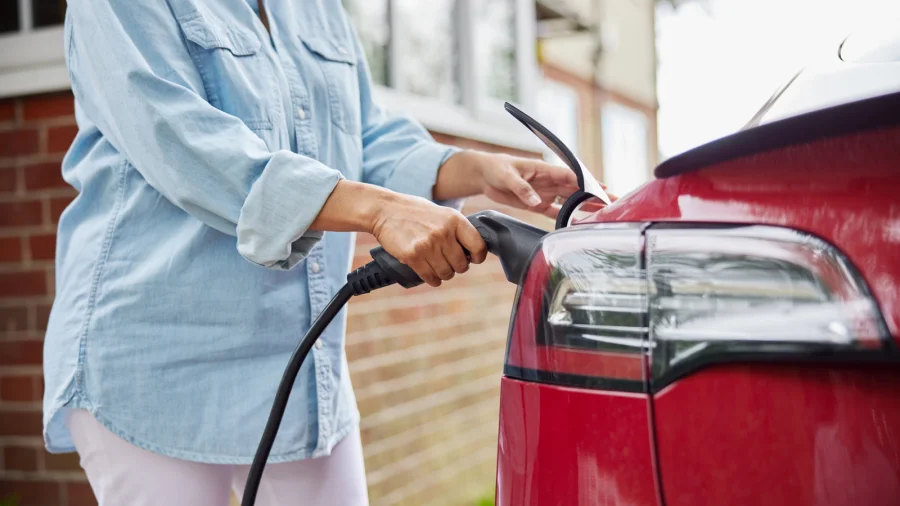

If you own an electric vehicle or are thinking about buying one, you have probably seen chargers labeled Level 1, Level 2, and Level 3. These labels are not just marketing terms. They tell you how fast a charger can fill your battery and where you can use it. The main point is simple: not every driver needs the fastest charger. As the original story puts it, provided you don't drive long distances every day, Level 1 charging could be all you need.
What Is a Level 1 EV Charger?
Level 1 is the most basic type of EV charging. It uses a standard household outlet, the same kind you use for a lamp or a phone charger. Because it draws very little power, it is the slowest way to charge an EV. But that slow speed is not always a problem. If you park your car at home overnight and only drive short distances during the day, a Level 1 charger can keep your battery topped up without any special equipment.
The big advantage here is convenience. You do not need to install anything new. You just plug in. For many people who drive to work, run errands, and come home, this is enough.
What Is a Level 2 EV Charger?
Level 2 chargers are faster than Level 1. They need a special installation, usually a 240-volt outlet, which is the same kind of power a clothes dryer or electric oven uses. You will find Level 2 chargers at home setups and at many public charging stations, like those at shopping centers, offices, and parking garages.
Level 2 is a good middle ground. It charges much faster than Level 1 but does not require the heavy equipment of a Level 3 station. For drivers who cover more miles each day or want the flexibility to charge quickly at home, Level 2 is often the practical choice.
What Is a Level 3 EV Charger?
Level 3, also called DC fast charging, is the quickest option. These chargers are not meant for home use. They are found along highways and at dedicated charging stations, and they can add a large amount of range in a short time. Level 3 is built for long road trips, when you need to get back on the road quickly.
The trade-off is cost and availability. Level 3 stations are more expensive to build and use, and they are not as common as Level 1 or Level 2 options. They also put more stress on the battery over time, which is why most experts suggest using them mainly when you actually need the speed.
Which EV Charger Should You Choose?
The answer depends on your driving habits, not on which charger sounds the most impressive. Here is a simple way to think about it:
- If you drive short distances and can park at home overnight, Level 1 is likely enough.
- If you drive more miles or want faster home charging, Level 2 is the better fit.
- If you take long trips and need quick top-ups on the road, Level 3 is the one you will rely on.
Many EV owners end up using a mix. They charge at home with Level 1 or Level 2 and switch to Level 3 only when traveling far from home.
Our Take: Match the Charger to Your Life, Not the Hype
In our view, the charger debate gets overcomplicated. Faster is not always better if you never need the speed. Most people drive the same short routes day after day, park in the same spot at night, and have hours of downtime when their car just sits there. That is exactly the situation where Level 1 charging shines.
To put it plainly, the smart move is to start with your daily routine. Measure how far you actually drive, check where you can plug in, and then pick the level that matches. If you rarely go far, Level 1 can save you money and hassle. If your days are longer, Level 2 gives you a comfortable buffer. And if the open road calls often, Level 3 keeps you moving.
The worst choice is paying for speed you will never use. The best choice is the one that quietly keeps your car ready without adding stress to your day.