

Summary
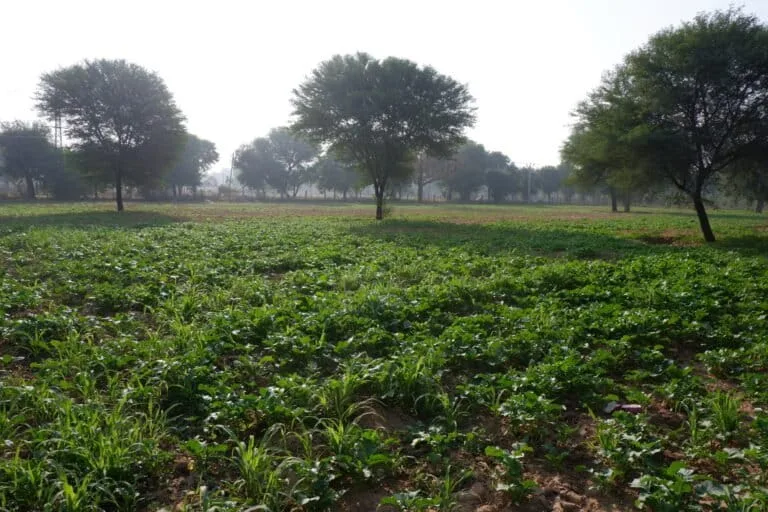
Agriculture in the Kangra district of Himachal Pradesh is facing a major crisis as hundreds of acres of fertile land remain uncultivated. Farmers are struggling with the rising costs of seeds and fertilizers, along with a severe shortage of workers. Because farming is no longer making enough money, many families are stopping their traditional work. This shift is causing long-term concerns about food security and the future of the rural economy in the region.
Main Impact
The most significant impact of this crisis is the permanent loss of productive farmland. As farming becomes too expensive and difficult, many landowners are choosing to sell their fields for non-farming uses. This includes building new houses, shops, and hotels for tourists. Once these fertile fields are covered in concrete, they can never be used for growing food again. This change threatens the way of life for thousands of people who depend on the land for their income and food.
Key Details
What Happened
In many parts of Kangra, the sight of green paddy fields is being replaced by overgrown weeds and empty patches of dirt. Farmers explain that every part of the growing process has become more expensive. They have to pay more for high-quality seeds, chemical fertilizers, and pesticides to keep bugs away. Additionally, the cost of moving crops to the market and paying for water to irrigate the fields has gone up. For small farmers who only own a little bit of land, these costs are often higher than the money they get from selling their harvest.
Important Numbers and Facts
The labor situation has reached a breaking point. Farmers report that they are willing to pay workers between 600 and 700 rupees per day. Despite offering these wages, they still cannot find enough people to help with planting or harvesting. Many local workers who used to work in the fields have moved on to other types of jobs or rely on government welfare programs. Without this manual help, it is nearly impossible for older farmers to manage large stretches of land on their own.
Background and Context
Farming in the hills of Himachal Pradesh has always been harder than farming on flat plains. The fields are often small and shaped like steps on a hillside, which makes it difficult to use large tractors. Historically, the region relied on a large number of local workers and traditional methods. However, as the younger generation looks for office jobs or moves to cities, the number of people willing to do hard physical work in the sun has dropped. At the same time, the weather has become less predictable, with rains coming at the wrong times, making the risk of losing a crop even higher.
Public or Industry Reaction
Agricultural experts and former university leaders are calling for the government to step in immediately. Ashok Kumar Sarial, who previously led the CSK Himachal Pradesh Agriculture University, has warned that the state cannot afford to ignore this trend. He points out that a huge part of the population still relies on farming to survive. Many farmers feel that the government's focus on providing free food and other benefits has unintentionally made it harder to find farm help. They believe that while welfare is good, there must also be a plan to keep the farming industry alive.
What This Means Going Forward
To fix this problem, the state government may need to create new rules and support systems. Experts suggest that the government should help farmers buy smaller machines that are designed specifically for hilly areas. This would reduce the need for so many manual workers. There is also a push to encourage farmers to grow "high-value" crops, such as special fruits or medicinal plants, which sell for much more money than basic grains. If the government can provide better ways for farmers to sell their goods directly to buyers, it might make farming a profitable business again.
Final Take
The empty fields in Kangra are a warning sign that the traditional way of life in the hills is under threat. If farming does not become easier and more profitable soon, the region may lose its agricultural heritage entirely. Saving these farms will require more than just small fixes; it needs a complete rethink of how the state supports its rural communities and protects its most fertile land from being turned into construction sites.
Frequently Asked Questions
Why are farmers in Kangra leaving their land empty?
Farmers are leaving their land empty because the cost of seeds, fertilizer, and labor is higher than the money they make from selling crops. A lack of available workers also makes it hard to manage the fields.
What is happening to the abandoned farmland?
Much of the abandoned land is being sold to developers. It is being used to build houses, commercial buildings, and tourism facilities instead of being used for agriculture.
How much are farm workers being paid in the region?
Farmers are offering daily wages of 600 to 700 rupees, but they still struggle to find enough people willing to do the work during the busy sowing and harvesting seasons.
