
The FBI has arrested an OpenAI employee who is a Saudi citizen. The charge: secretly recording conversations in a conference room at OpenAI's San Francisco offices. The FBI announced the arrest on Tuesday.
The story began when a specialized OpenAI security team found a recording device during a sweep of the conference room. OpenAI shared this detail with Fortune. The team is called the technical surveillance countermeasures team.
How the Hidden Recording Device Was Found at OpenAI
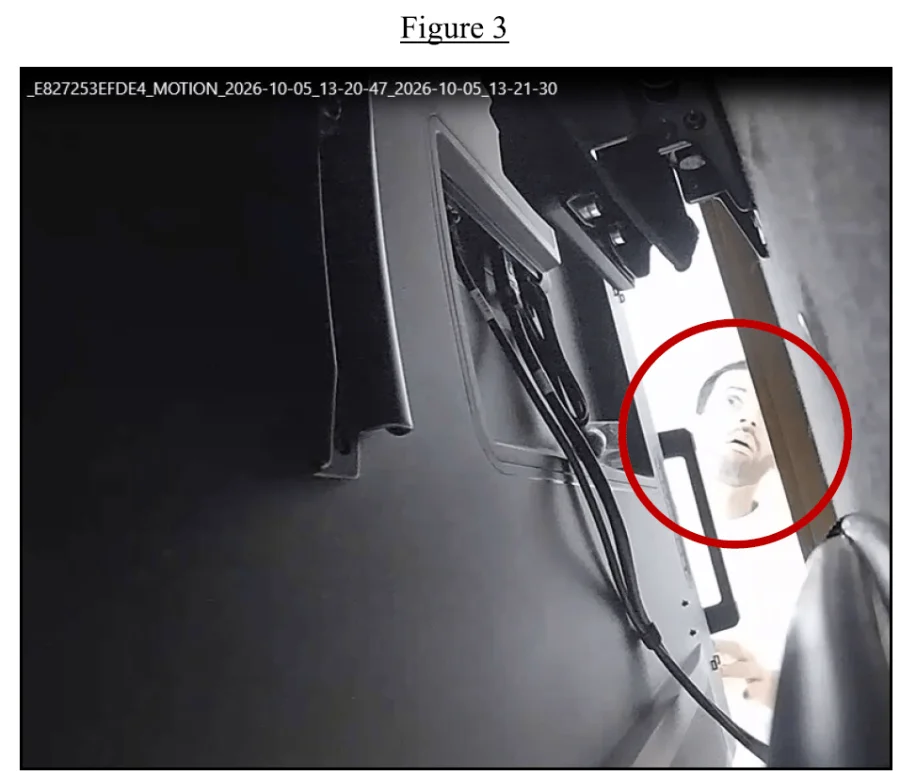
The listening device was not sitting in plain sight. According to the FBI, it was plugged into a USB port on the back of a television in the conference room. A small piece of toilet paper was used to conceal it.
OpenAI says the device was sophisticated and built to avoid detection. It had advanced encryption and audio monitoring capabilities. After the device was discovered, OpenAI contacted the FBI.
Why This Case Matters for OpenAI and Its Employees
This is not a case of a lost phone or an accidental recording. A device designed to hide, encrypt, and monitor audio was placed inside a room where private company conversations happen. That is the core of what the FBI is now investigating.
The arrest also raises hard questions about who gets access to OpenAI's internal spaces. The company is one of the most closely watched artificial intelligence firms in the world. Its conference rooms are where product plans, safety discussions, and business deals are talked about.
To put it plainly, a listening device inside such a room is a direct threat to everything said there. OpenAI's own security team caught it — not an outside auditor, not a routine IT check. That detail matters. It shows the company has counter-surveillance measures in place, and those measures worked.
Our Take: A Security Wake-Up Call for AI Companies
In our view, this arrest is a warning that goes beyond one company. AI labs now hold some of the most valuable information in the world. That makes them targets — for spies, for competitors, and for anyone willing to plant a device behind a TV.
The fact that the suspect was an employee is the most troubling part. Insider threats are harder to stop than outside ones, because insiders already have badges, access, and trust. OpenAI did the right thing by sweeping the room and calling the FBI immediately. But one question remains: how long was the device there before it was found?
For readers, the lesson is simple. Companies working on sensitive technology need to treat their own offices as possible targets. And workers in those offices should expect more security sweeps, more checks, and less privacy in shared spaces. That is the trade-off that comes with working at the center of the AI race.
The FBI has not released further details about the case. OpenAI has confirmed it contacted the FBI after the device was discovered.