
The Federal Communications Commission (FCC) is proposing something unusual — a retroactive ban on drones with LiDAR obstacle avoidance systems. This means the agency wants to revoke approval for drones it had already approved for sale in the United States.
According to PCMag, the agency issued a public notice on July 21 stating that it intends to retroactively revoke authorization for "military-grade" drones. The move specifically targets drones that use LiDAR technology for obstacle avoidance.
Which Drones Are Affected by the FCC LiDAR Ban
The proposal affects popular consumer drones that many photographers and videographers use daily. According to discussions on Reddit, many will be surprised to learn that the FCC considers camera drones with LiDAR obstacle avoidance — like several DJI models — as "military-grade."
Reports from Mavic Pilots forum indicate the FCC is going to retroactively ban drones with LiDAR, including previously approved DJI models that use the technology for obstacle avoidance.
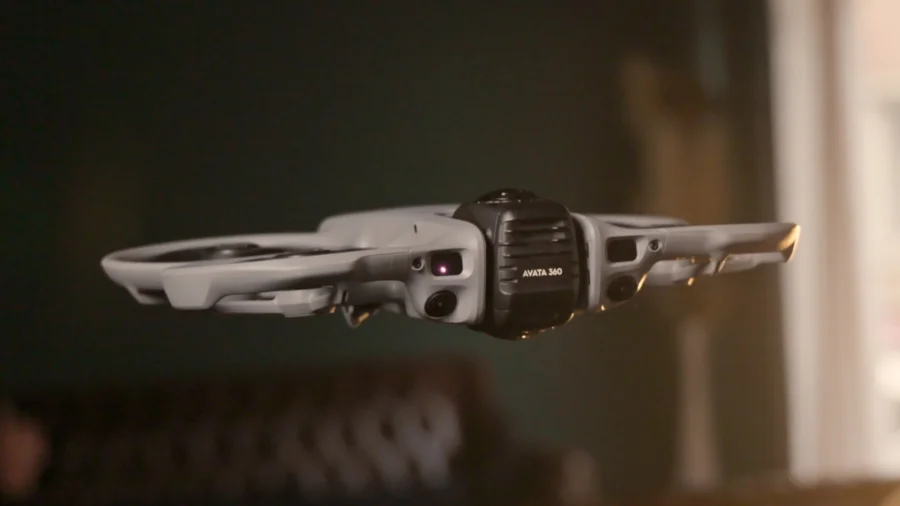
Videos covering the proposal, like this YouTube report, highlight that the retroactive ban would include popular models like the Mini 5 Pro, Air 3S, and Avata 360.
What Happens to Existing Drone Owners
For people who already own these drones, the news is not as alarming as it might sound. According to discussions on Facebook, under the FCC ban, older drone models already approved for sale may continue to be used. The restriction targets new sales and approvals.
Another Facebook discussion clarifies that existing DJI drone models already approved by the FCC can still operate normally. The ban applies to anything that has not yet been approved by the FCC.
"Existing DJI drone models already approved by the FCC can still operate normally. Ban is for anything that has not been approved by the FCC." — Facebook Discussion
What This Means for New Drone Purchases
The proposal would block new DJI and Autel Robotics drone models from receiving FCC approval. This means if you were planning to buy a new LiDAR-equipped drone, those plans could be affected once the ban takes effect.
The key points to understand:
- Current owners can keep flying their already-approved drones
- New models with LiDAR would not receive FCC approval
- The ban targets "military-grade" drones, which the FCC defines to include LiDAR-equipped consumer drones
- Both DJI and Autel Robotics models are affected
Our Take: A Confusing Move That Needs Clarity
To put it plainly, this FCC proposal creates confusion for drone buyers and owners. The agency approved these drones, people bought them, and now the FCC wants to change the rules retroactively.
While existing owners are protected for now, the bigger concern is what this means for the drone market. Calling consumer camera drones "military-grade" because they have LiDAR obstacle avoidance seems like a stretch. LiDAR is a common safety feature that helps drones avoid crashing into trees and buildings — it is not a weapon.
In our view, the FCC needs to clearly explain why a safety feature makes a drone "military-grade." Without that explanation, drone buyers are left guessing whether their next purchase will be approved or banned. If you are in the market for a new drone, this proposal is worth watching closely before you spend your money.