
Summary
President Donald Trump has ordered the U.S. Navy to start a blockade of the Strait of Hormuz. This decision follows the failure of peace talks with Iran to reach a deal. The goal of the blockade is to stop Iran from exporting its own oil while it continues to block global energy supplies. This move is a major shift in the ongoing conflict and aims to put heavy economic pressure on the Iranian government.
Main Impact
The blockade is designed to hit Iran where it hurts most: its bank account. For weeks, Iran has used missiles and drones to keep the narrow waterway closed to most of the world. This has trapped about 20% of the world’s oil and natural gas inside the Persian Gulf. While global supplies were stuck, Iran continued to ship its own oil out, making a lot of money from rising prices. The U.S. blockade will stop those Iranian exports, which could cause the Iranian economy to crash even further.
Key Details
What Happened
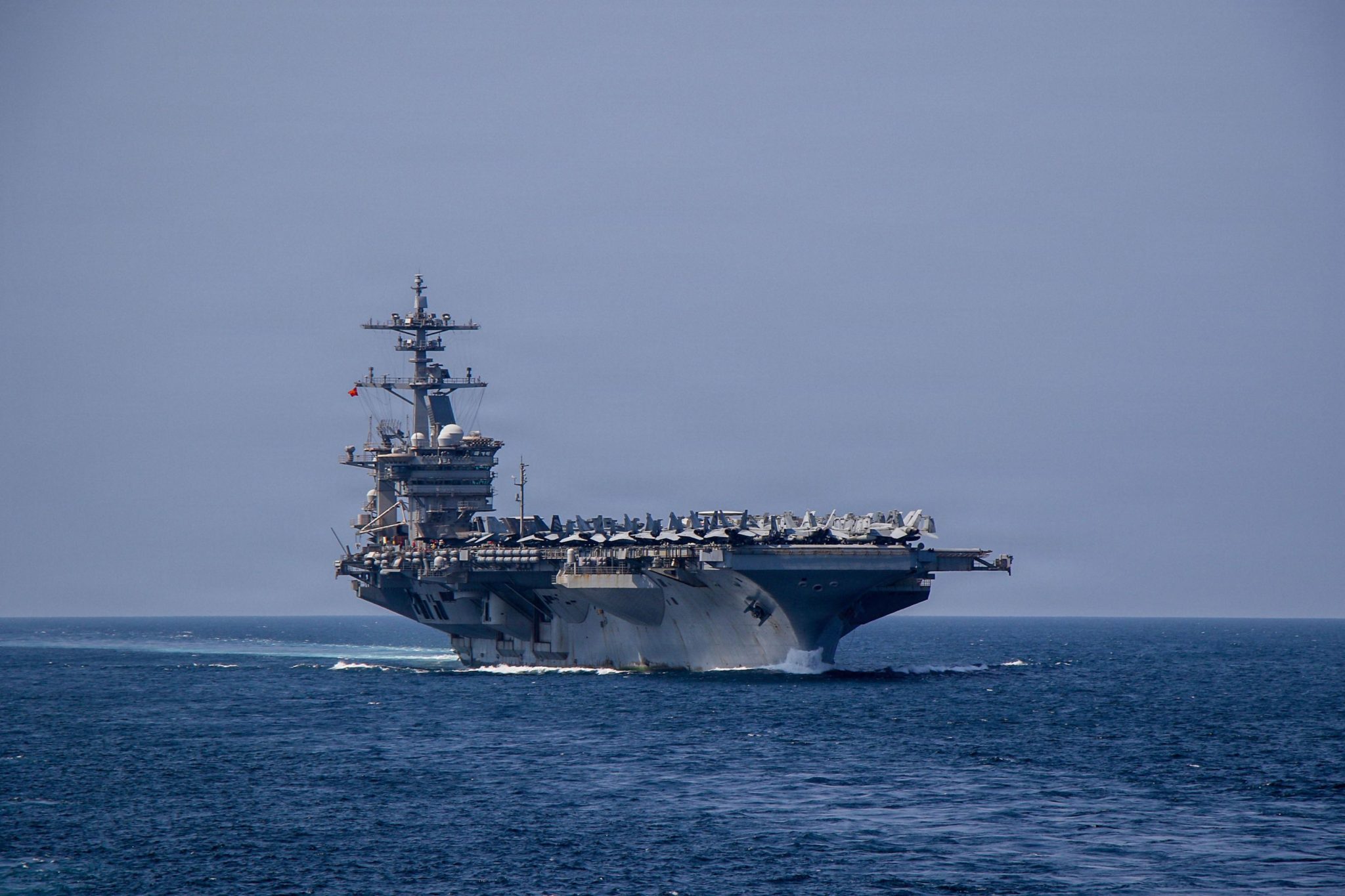
The U.S. Navy is moving into position to take control of the waters around the Strait of Hormuz. This is a direct response to Iran’s actions over the last six weeks of the war. By stopping Iranian ships from leaving the Gulf, the U.S. is trying to force Tehran to stop its attacks on international shipping. On Saturday, two U.S. destroyers already crossed the strait to begin clearing mines and preparing the area for more naval activity.
Important Numbers and Facts
Military experts say this is a massive operation that requires a lot of equipment and planning. To make the blockade work, the U.S. will likely need two aircraft carrier strike groups to provide protection from the air. In addition, about 12 destroyers and frigates will need to stay just outside the Gulf, while another six warships operate inside the waterway. The U.S. will also look for help from the navies of Saudi Arabia and the United Arab Emirates.
Before this latest move, there were already 18 U.S. warships in the Middle East. More help is on the way, including a third aircraft carrier group and thousands of Marines. This large force is necessary because the Strait of Hormuz is very narrow and dangerous for large ships.
Background and Context
The Strait of Hormuz is one of the most important water passages in the world. Because it is so narrow, it acts as a chokepoint for global energy. If the strait is closed, oil and gas prices usually go up very quickly across the globe. Iran has used its location along the strait to threaten the world’s energy supply for years. In the current war, they have used this power to keep global markets in a state of fear. The U.S. has decided that a blockade is a better option than a full-scale ground war or a massive bombing campaign that could destroy oil facilities that the world will need later.
Public or Industry Reaction
Military leaders have called this move a "big gamble." Retired Admiral James Stavridis noted that the mission is complicated and carries high risks. The U.S. Navy has previously called the strait an Iranian "kill box" because it is filled with anti-ship missiles, fast boats, and underwater mines. There are also concerns that Russia or China might help Iran by launching cyberattacks against U.S. systems.
On the economic side, some experts believe the blockade could actually help end the war faster. If Iran cannot sell its oil, it will run out of the money it needs to fight. China, which buys most of Iran’s oil, might also get frustrated and pressure Iran to reopen the strait so that trade can return to normal. While oil prices might jump at first, they could fall if investors believe the conflict will end soon.
What This Means Going Forward
The next few days will be critical as U.S. ships take their positions. The biggest risk is that Iran might see the blockade as an act of war and strike back with everything they have. This could lead to direct battles between the U.S. Navy and Iranian forces. If the blockade is successful, it will starve the Iranian government of cash. However, it also means that global oil supplies will remain tight for a while longer. The world will be watching to see if this pressure forces Iran back to the peace table or leads to a larger fight.
Final Take
The U.S. naval blockade is a bold attempt to win the conflict through economic strength rather than just military force. By cutting off Iran's ability to profit from the war, the U.S. is trying to change the balance of power in the region. It is a dangerous mission that puts many sailors at risk, but it may be the only way to reopen the world's most important energy route without a much larger and more deadly war on land.
Frequently Asked Questions
Why is the Strait of Hormuz so important?
It is a narrow waterway that connects the Persian Gulf to the ocean. About one-fifth of the world's oil and natural gas passes through it, making it vital for the global economy.
What is a naval blockade?
A naval blockade is when a country uses its warships to stop ships from entering or leaving a specific area. In this case, the U.S. is stopping Iranian oil tankers from leaving the Gulf.
Will oil prices go up because of this?
Prices have already increased because of the war. While the blockade might cause a short-term spike, some experts believe it could eventually lead to lower prices if it forces the war to end quickly.