
Summary
The U.S. Navy has started testing Iran’s control over the Strait of Hormuz by sending warships through the narrow passage. This move comes as the U.S. and Iran hold ceasefire talks in Pakistan to end their six-week conflict. The U.S. military aims to clear mines and ensure that oil can move safely through the area again, marking a major shift in the current standoff.
Main Impact
The U.S. is actively trying to break Iran's hold on the world's most important oil route. For weeks, Iran has controlled which ships pass through the strait, even charging high fees to some vessels. By sending destroyers and preparing for mine-clearing missions, the U.S. is showing it will use force if necessary to keep the waterway open. This increases the risk of more fighting but also puts pressure on Iran during peace talks.
Key Details
What Happened
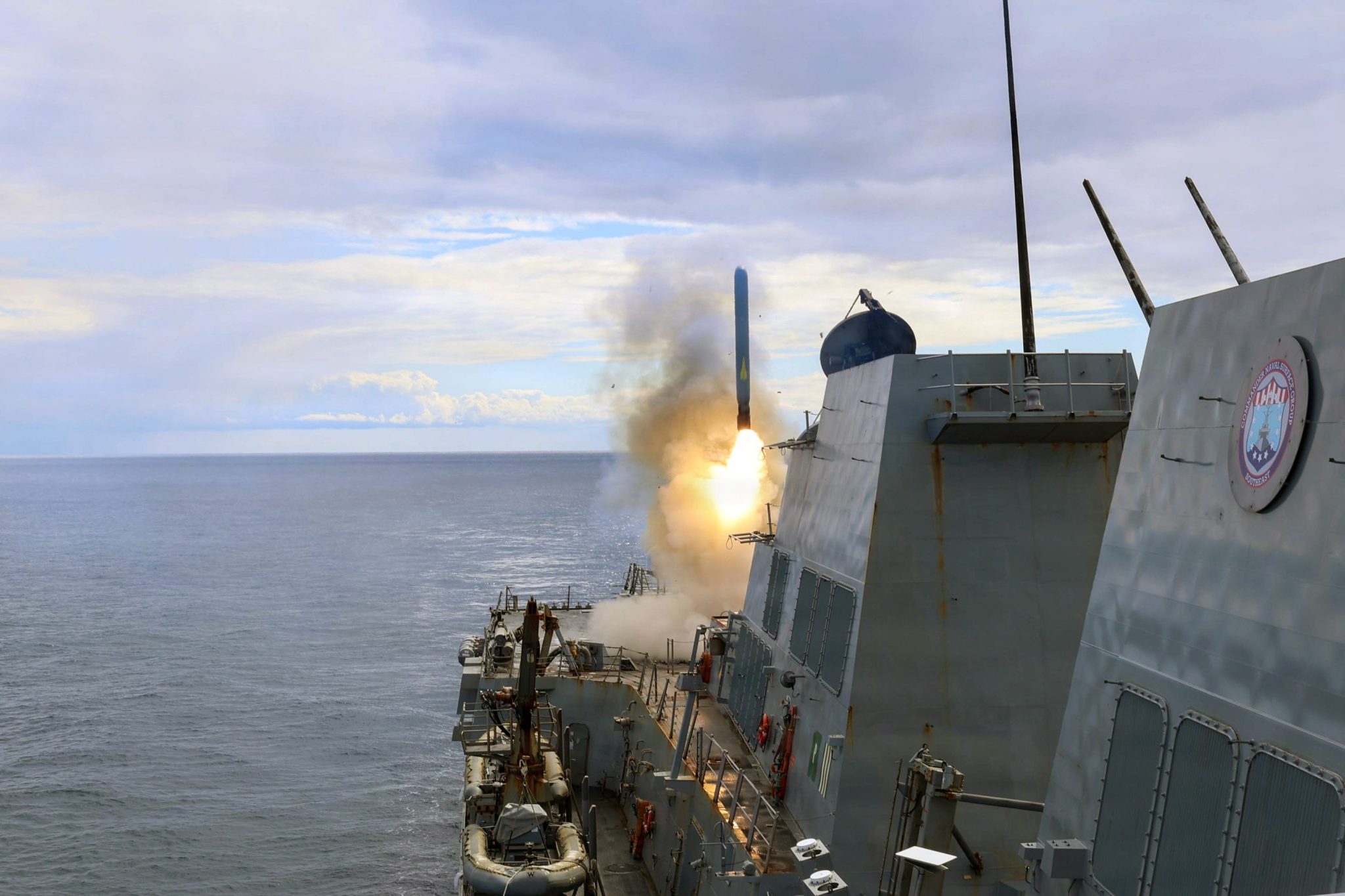
On Saturday, two U.S. Navy destroyers sailed through the Strait of Hormuz. This was the first time U.S. ships made this move without telling Iran since the war began. The ships entered the Persian Gulf and then returned to the Arabian Sea. U.S. Central Command said the mission was to prepare for clearing underwater mines. They plan to use underwater drones to find and remove explosives. However, the mission faced immediate tension. Reports suggest Iran launched a drone toward the U.S. ships, which may have caused them to change course during the operation.
Important Numbers and Facts
The conflict has reached a critical point after six weeks of fighting. One-fifth of the world’s oil usually passes through this narrow strait. Recently, Iran has been asking for a $2 million "toll" from ships that want to pass through the area. Despite the tension, three oil supertankers moved through the strait on Saturday, which is the highest number since the blockade began. To support these operations, a third U.S. aircraft carrier and thousands of extra troops, including Marines and paratroopers, are expected to arrive in the region later this month.
Background and Context
The Strait of Hormuz is a very narrow body of water located between Iran and Oman. It is the only way for oil tankers from the Persian Gulf to reach the rest of the world. Because it is so narrow, it is easy for a military force to block. Iran has used its navy, drones, and mines to stop ships from moving freely. This has caused oil prices to become unstable and has worried leaders around the world. The U.S. wants to ensure "freedom of navigation," which means any ship should be able to travel through international waters without being stopped or taxed by another country.
Public or Industry Reaction
Iran claims the U.S. Navy's actions violate the current ceasefire agreement. Meanwhile, President Donald Trump has stated that the U.S. is officially starting the process of clearing the waterway. Energy experts believe the U.S. is preparing for a second round of military action if talks fail. Experts say the U.S. is working to "degrade" Iran’s military tools, such as fast boats and missile launchers, to a level that is no longer a major threat. Nearby countries that sell oil are also unhappy with the current situation. They do not want Iran to have permanent control over the strait or to charge fees for passing through.
What This Means Going Forward
The next few weeks will be critical for global trade. While there is a temporary pause in the war, both sides are getting ready for more conflict. The U.S. is moving more power into the area, including long-range cruise missiles. The goal is to make Iran’s threats manageable so that insurance companies will feel safe enough to let tankers sail again. If the U.S. can successfully clear the mines and protect ships, it would take away Iran's biggest bargaining chip in the peace talks. This could lead to a full reopening of the strait by the end of the month.
Final Take
The U.S. Navy’s recent move is a clear message that the "toll booth" system Iran is trying to build will not be accepted. While peace talks continue in Pakistan, the military build-up suggests that the U.S. is ready to fight to keep global trade moving. The world is watching to see if diplomacy can win or if a larger battle for the strait is about to begin. The outcome will decide who controls the flow of the world's energy for years to come.
Frequently Asked Questions
Why is the Strait of Hormuz important?
It is the main path for 20% of the world's oil supply. If it is blocked, global energy prices can rise quickly, affecting the entire world economy.
What is the "toll" Iran is charging?
Iran has been asking for about $2 million from certain ships to let them pass through the waterway safely, which the U.S. and other nations consider illegal.
What is the U.S. military doing now?
The U.S. is sending more ships, drones, and troops to the region to clear mines and protect commercial vessels from Iranian drones and missiles.