
Summary
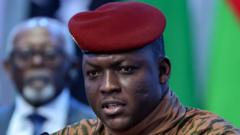
Captain Ibrahim Traoré, the military leader of Burkina Faso, has stated that his country needs to move away from the idea of democracy. He believes that the traditional democratic systems used in the West do not work for the specific needs of his nation. This announcement marks a major change in how the country will be governed, as the military leader focuses on security over elections. His comments suggest that the path back to a civilian government is no longer a priority for the current leadership.
Main Impact
The decision to move away from democracy will have a huge effect on both the people of Burkina Faso and the rest of the world. By telling the public to forget about democratic rule, Traoré is signaling that the military plans to stay in power for a long time. This could lead to more tension with international groups like the United Nations and the African Union. These organizations often push for countries to hold fair elections. Without a plan for voting, Burkina Faso may face more sanctions or lose help from countries that only work with democratic governments.
Key Details
What Happened
In a recent address, Captain Ibrahim Traoré spoke clearly about his views on how the country should be run. He argued that the democratic models brought in from other parts of the world have failed to bring peace or growth to Burkina Faso. Instead of focusing on organizing a vote, he wants the country to focus on its internal problems. He believes that the current system of government should be built around the country's own culture and its current struggle for safety. This move follows a period of great change in the country, where the military took control to handle rising violence.
Important Numbers and Facts
Captain Traoré took control of the government in 2023 after a period of unrest. Since then, the country has been dealing with a very difficult security situation. Reports show that a large part of the country’s land is not fully under the control of the central government. Thousands of people have lost their lives in recent years due to attacks by armed groups. Additionally, millions of people have had to leave their homes to find safety in other areas. These facts are often used by the military to explain why they believe a strong, non-democratic government is necessary right now.
Background and Context
Burkina Faso is located in a part of Africa called the Sahel. For many years, this region has faced attacks from groups that want to overthrow governments and spread their own rules. Many people in Burkina Faso felt that the previous democratic leaders were not doing enough to protect them. They felt that politicians were more interested in winning votes than in stopping the violence. This frustration led to support for the military when they first took over. People wanted a leader who could provide safety and food. However, the move away from democracy is a step that many did not expect to be so permanent. In the past, military leaders often promised to hold elections quickly, but Traoré is now saying that the system itself is the problem.
Public or Industry Reaction
The reaction to these comments has been mixed. Inside the country, some people agree with the captain. They believe that safety is more important than the right to vote. They want the military to focus all its energy on fighting armed groups. On the other hand, human rights groups and activists are very worried. They argue that without democracy, there is no way for the people to complain if the government does something wrong. They fear that free speech will be limited and that people who disagree with the military will be punished. Outside the country, many Western nations have expressed concern. They believe that democracy is the only way to ensure long-term peace and that military rule often leads to more problems over time.
What This Means Going Forward
Looking ahead, Burkina Faso will likely continue to distance itself from its old allies in the West. Countries like France have already seen their influence drop in the region. Instead, the military government may look for help from other countries like Russia. This shift could change the balance of power in West Africa. The government will likely focus on building a new type of political system that does not rely on traditional parties or elections. The biggest challenge will be whether this new approach actually makes the country safer. If the violence continues despite the military's total control, the public may start to lose faith in this new direction.
Final Take
The rejection of democracy in Burkina Faso is a bold move that changes the future of the nation. While the military leader argues that this is the only way to save the country, it removes the power of the citizens to choose their own path through voting. The world will be watching closely to see if this choice leads to the peace that has been missing for so long or if it creates new types of conflict. For now, the era of traditional politics in Burkina Faso seems to be over, replaced by a focus on military strength and national survival.
Frequently Asked Questions
Who is Ibrahim Traoré?
He is a military officer who became the leader of Burkina Faso after taking power in 2023. He currently leads the country's government.
Why does he want to move away from democracy?
He believes that Western-style democracy has failed to solve the country's security problems and that a different system is needed to bring peace.
What is the main problem facing Burkina Faso?
The country is struggling with a long-running conflict against armed groups, which has caused many deaths and forced millions of people to leave their homes.