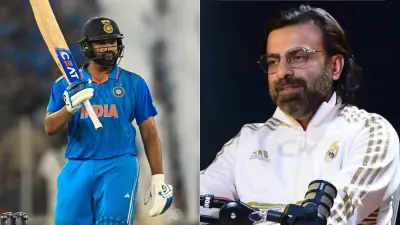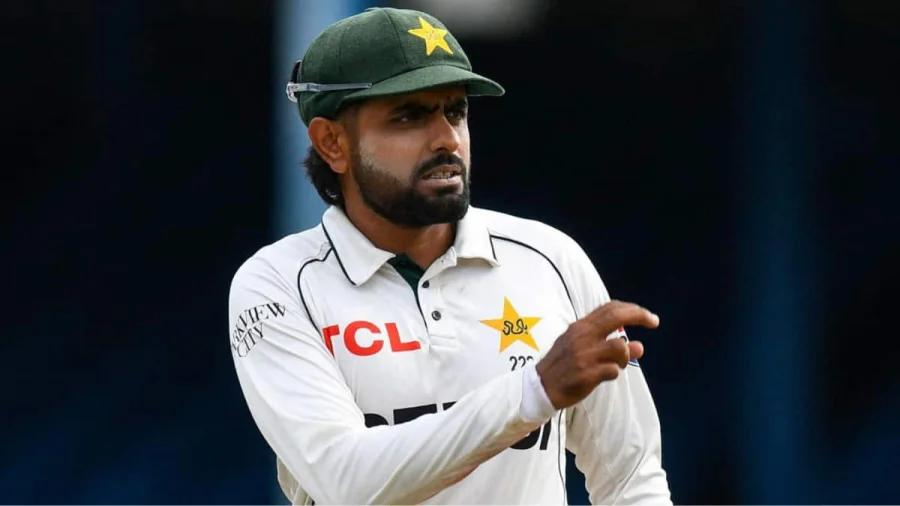

Former India all-rounder Irfan Pathan has revealed how a fabricated story involving Pakistan batter Babar Azam was used to defame him. The false report claimed Pathan had travelled to interview Babar, but the Pakistani batter allegedly refused because of Pathan's criticism of Pakistan.
According to New Kerala, Pathan said the entire story was fabricated. His face had been digitally placed on another reporter's photograph — specifically a Bangladeshi reporter — to make the fake story look real.
How the Fake Babar Azam Interview Story Spread
Speaking on JioHotstar's 'Cheeky Singles' programme, Pathan explained how the doctored image helped the false claim spread widely on social media. The fabricated story suggested Babar Azam refused an interview with Pathan because of Pathan's past criticism of Pakistan cricket.
Pathan said the story got over a million views, and many people believed it was true. He noted that misinformation and fake attribution have become a regular part of life for public figures.
"The entire story was fabricated, and his face had been digitally placed on another reporter's photograph." — New Kerala
Irfan Pathan's Response to Daily Lies
Despite the false story gaining significant attention, Pathan said he chooses not to respond to such daily lies. He acknowledged that public figures regularly face this kind of targeted misinformation.
Pathan also reflected on his cricket career during the interview. He scored 2,821 runs and took 301 wickets from 2003 to 2012, despite dealing with injury struggles throughout his career. He played for multiple IPL teams, including Punjab Kings and Delhi Capitals.
Our Take: The Danger of Fabricated Media Stories
This incident shows how easily fake news can spread when it involves popular cricket figures. A doctored photo and a false narrative got over a million views — that is a serious problem.
To put it plainly, this is not just about Irfan Pathan or Babar Azam. It is about how media outlets can damage reputations with fabricated stories. When a news organization runs a false report with a manipulated image, it erodes public trust in journalism itself.
Pathan's decision not to respond to every lie is understandable, but it also highlights a bigger issue: public figures are often left with no easy way to correct false narratives once they go viral. Readers should be cautious about sensational cricket stories and verify information before believing or sharing it.
The fact that this fake story involved two popular cricketers from rival nations made it even more likely to spread. That is exactly why such misinformation is dangerous — it feeds on existing tensions and biases.