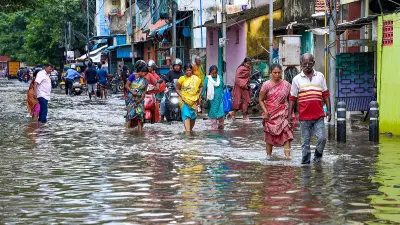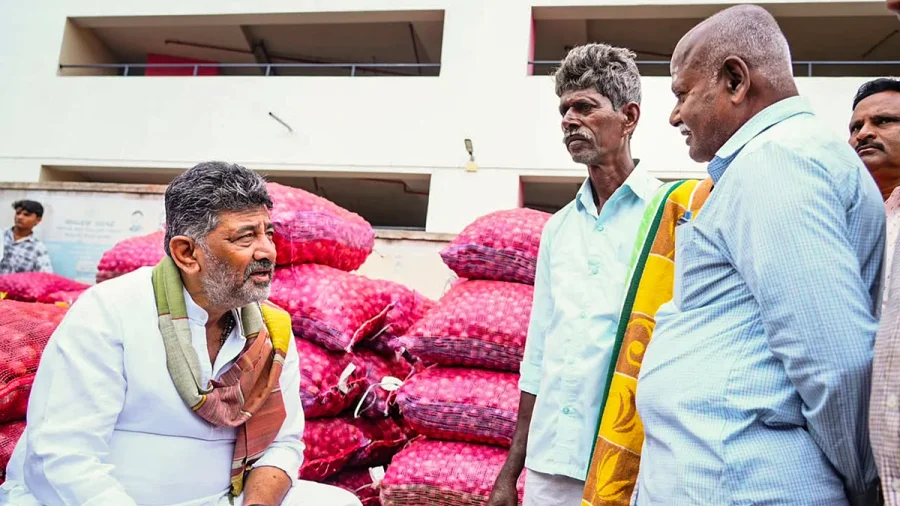

Karnataka is facing a serious drought, and the state government is now warning that drinking water and electricity could run short. Chief Minister D.K. Shivakumar said drought has already been declared in 100 taluks, and the process to extend the declaration to more areas is underway as per prescribed norms.
He spoke to reporters in his hometown Kanakapura. His message was direct: the state's water and power situation is getting worse, and the government is preparing for it.
Karnataka Drought Declared in 100 Taluks: What CM Shivakumar Said
The chief minister explained why the situation is so serious this year. Groundwater levels have dropped sharply, and crops have been destroyed. In many places, farmers could not even cultivate their land.
"Groundwater levels have fallen drastically this year and crops have been destroyed. In many places, crops could not even be cultivated. Going forward, the situation indicates that there could be a severe shortage of drinking water and electricity." — CM D.K. Shivakumar
This is not just about one bad season. The chief minister's warning covers two basic needs at once — water to drink and power to use. When groundwater falls and crops fail, the pressure on both usually grows.
Karnataka Power Shortage Plan: Thermal Generation and National Grid
The government is not waiting for the situation to worsen. According to the chief minister, Karnataka is exploring ways to increase thermal power generation. The state is also looking to procure additional electricity supplies through the national grid.
These two steps — more thermal generation and extra power from the national grid — are the government's immediate options to handle a possible electricity shortage.
- Drought declared in 100 taluks of Karnataka
- Process to extend the declaration to other areas is underway
- Groundwater levels have fallen drastically this year
- Crops destroyed; in many places cultivation was not possible
- Government exploring higher thermal power generation
- Additional power to be procured through the national grid
Our Take: Why This Karnataka Drought Warning Matters
To put it plainly, this is a warning that touches everyday life. Drinking water and electricity are not luxuries — they are basics. When a chief minister publicly says both could face a severe shortage, people should take it seriously.
In our view, the most worrying part is the groundwater decline. Once groundwater falls drastically, it does not recover quickly. Crops can be replanted, but water levels take much longer to rebuild. The fact that crops could not even be cultivated in many places shows how deep the problem already runs.
The government's plan to boost thermal power and pull more electricity from the national grid is a practical short-term move. But it is a response to a shortage, not a fix for the drought itself. Power can be arranged from outside the state; drinking water cannot be imported the same way.
For readers in Karnataka, this news means one clear thing: prepare for a difficult stretch. Water conservation at home, careful use of electricity, and attention to official advisories will matter in the coming weeks. For the rest of the country, Karnataka's situation is a reminder of how quickly a dry spell can turn into a crisis affecting both water and power at the same time.
The state has declared drought in 100 taluks and is extending it further. The next step — how effectively the government manages water supply and power procurement — will decide how hard this hits ordinary people.